
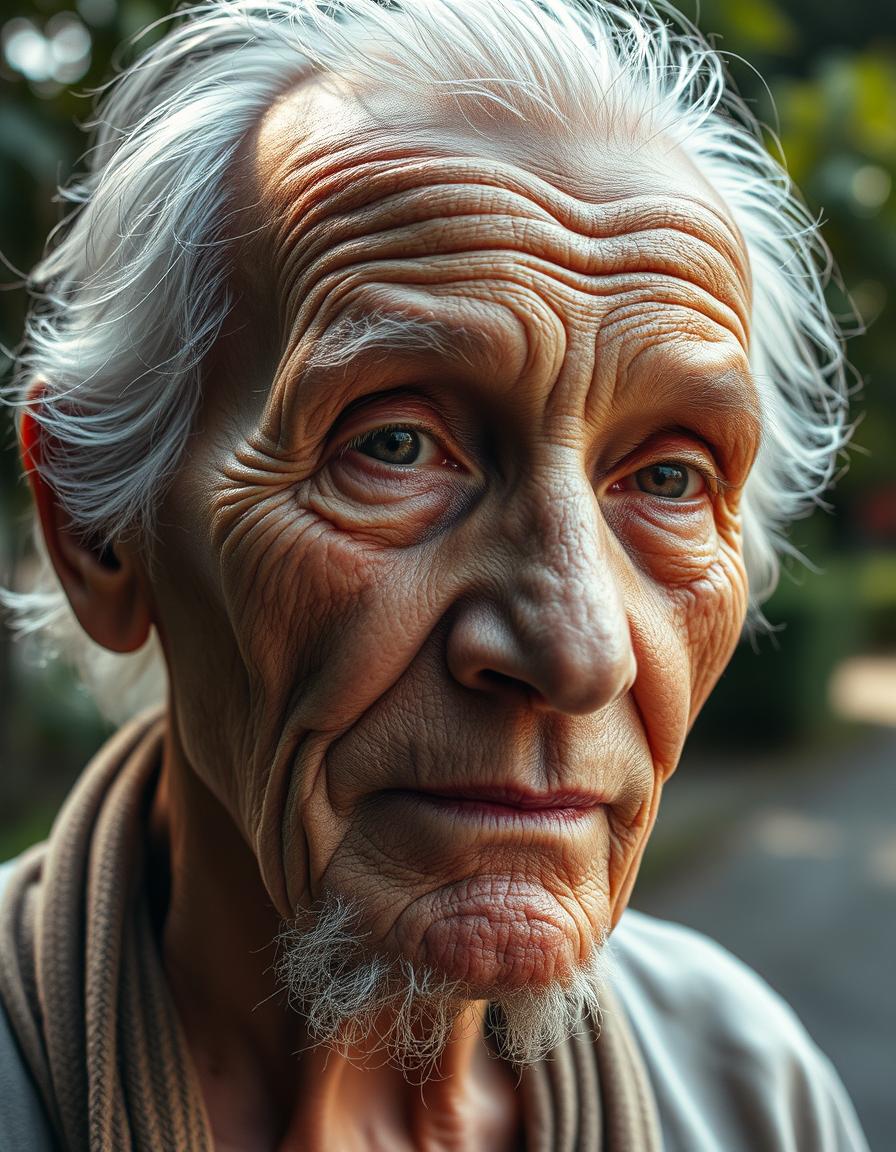
Aging is something everyone experiences, yet many wonder exactly what it means and how it affects the body and skin over time. It’s a natural process that begins the moment we are born and continues throughout our lives. Understanding what is aging can help us better appreciate the changes we go through and find ways to maintain our health and appearance as we grow older.
What Is Aging?
At its core, aging is the gradual decline in the body’s ability to function as it once did. Cells divide fewer times, tissues repair more slowly, and the overall energy of our bodies decreases. This process leads to physical changes, like wrinkles and slower wound healing, as well as increased susceptibility to diseases.
Scientists describe aging as a combination of biological, environmental, and lifestyle factors that influence how quickly or slowly our bodies change over time. Think of it like a car: with use, wear and tear happen, but how fast or slow depends on how it’s driven, maintained, and the conditions it faces.
Biological Aging vs. Chronological Aging
There’s a difference between biological aging and chronological aging. Chronological aging simply counts the years you have been alive. Biological aging refers to how old your body actually feels and functions, which may not always match your chronological age.
- Chronological Age: The number of years since your birth.
- Biological Age: How your cells and organs perform compared to the average for your age group.
For example, two people born in the same year may have very different biological ages due to genetics, diet, exercise, and exposure to stress or toxins.
How Your Body Changes with Age
The changes in your body as you age happen in a variety of ways, affecting muscles, bones, organs, and more. Here are some key changes to expect.
Muscle and Bone Health
As you grow older, muscle mass tends to decrease—a process called sarcopenia—resulting in weaker muscles and often less stamina. Bones can also lose density, making them more fragile and prone to fractures. Regular exercise and good nutrition can help slow these effects, but the changes are a normal part of aging.
Metabolism and Weight
Metabolism naturally slows down with age, meaning your body burns calories more slowly. This can lead to weight gain even if you eat the same as before. It’s a bit like trying to run a car with less fuel efficiency: you have to adjust your “fuel” intake and activity to keep things balanced.
Brain Function
Your brain changes too, but don’t panic! While some memory slips are normal, overall brain function remains strong for most people well into old age. Keeping the brain active with puzzles, learning new skills, and social interaction helps keep it sharp.
How Skin Changes Over Time
Skin is often one of the most noticeable places aging shows up. It’s the body’s largest organ and acts as a protective barrier, but over time, its texture and appearance shift in unique ways.
Loss of Elasticity and Wrinkles
Collagen and elastin are proteins that keep skin firm and stretchy. As we age, production of these proteins declines. Imagine a new rubber band compared to one that’s been stretched repeatedly — older skin isn’t as tight or smooth, leading to wrinkles and sagging.
Dryness and Thinning
Older skin tends to become drier and thinner, making it more vulnerable to cuts, bruises, and irritation. The natural oils that moisturize the skin decrease, which can cause discomfort and require extra care with moisturizers.
Age Spots and Pigmentation
Sun exposure over the years can cause dark spots or uneven pigmentation. These spots, often called “age spots,” are harmless but serve as reminders of the many sunny days (and sometimes too many without sunscreen!) we’ve enjoyed.
Common Signs and Symptoms of Aging
| Category | Common Signs | Possible Effects |
|---|---|---|
| Skin | Wrinkles, dryness, thinning, pigmentation | Less protected, increased sensitivity |
| Muscles & Bones | Muscle loss, bone density decline | Weaker strength, higher fracture risk |
| Metabolism | Slower calorie burn | Weight gain, lower energy |
| Brain | Slower processing, occasional forgetfulness | Memory challenges, slower learning |
| Immune System | Reduced efficiency | Higher infection risk |
Factors Influencing the Rate of Aging
While what is aging is mostly a natural process, many factors can speed it up or slow it down. Understanding these can help you manage your health better.
- Genetics: Your DNA plays a big role in how quickly signs of aging appear.
- Lifestyle: Diet, exercise, sleep, and habits like smoking affect aging speed.
- Sun Exposure: Too much UV light can cause early skin aging.
- Stress: Chronic stress can wear down the body’s defenses, accelerating aging.
- Environmental Toxins: Pollution and chemicals may damage skin and organs over time.
Interestingly, there’s a fascinating connection between aging and time—one typically unrelated to humans but still relevant here. If you’re curious about how aging plays a role beyond biology, check out Aging Wine Science to see how time and chemistry collaborate in remarkable ways.
Tips for Healthy Aging
Since aging is inevitable, the goal is to age well rather than just age. Here are some practical tips to keep your body and skin feeling good:
- Stay Active: Exercise keeps muscles strong and bones healthy.
- Eat Balanced Meals: Nutrient-rich foods support cellular repair and energy.
- Protect Your Skin: Use sunscreen and moisturizers daily.
- Sleep Well: Good rest helps the body heal and the mind refresh.
- Avoid Smoking and Limit Alcohol: Both can accelerate aging dramatically.
- Stay Social and Mentally Engaged: Interaction and challenges help brain health.
Conclusion
Understanding what is aging reveals that it’s a natural, ongoing process affecting every part of us. From the inside out, our bodies transform with time, showing signs like wrinkles, muscle loss, and slower metabolism. However, how we age can be influenced by many factors, some within our control. Living a healthy lifestyle, protecting our skin, and caring for our mental well-being can make the journey of aging smoother and more enjoyable. After all, growing older doesn’t mean losing your spark—it’s about embracing change while keeping your unique self shining bright.

Hey, I’m Zara! I’m all about simple, healthy living and feeling your best every day. On this blog, I share easy wellness tips, real talk about health, and small changes that make a big difference. Let’s keep it real, stay inspired, and feel good, together.