
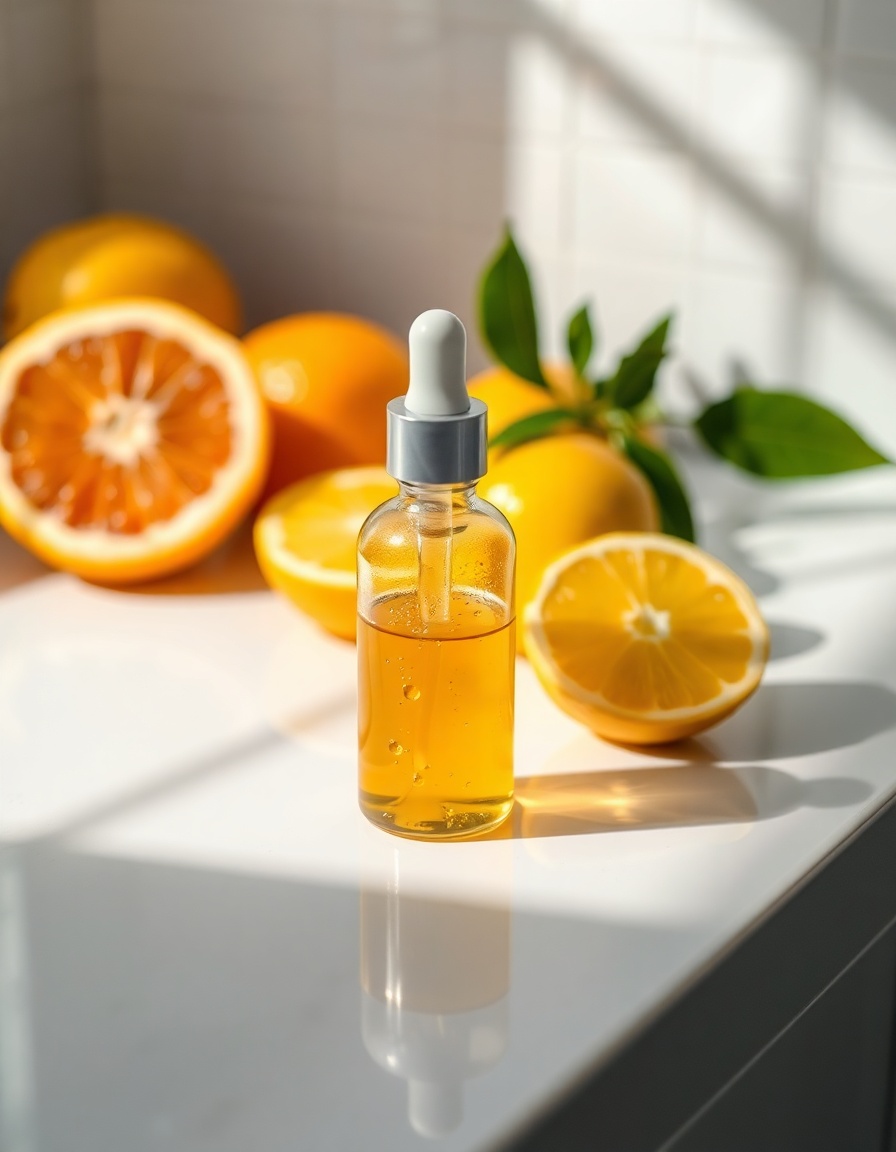
Vitamin C is often celebrated for its bright, tangy flavor and its crucial role in fighting off colds. But this powerful nutrient does a lot more, especially as we age. Vitamin C aging connections are gaining attention because this vitamin plays a key part in keeping our skin, bones, and immune system in good shape over the years. By understanding its benefits, we can take simple steps to support healthy aging and feel our best at any age.
What Is Vitamin C and Why Does It Matter?
Vitamin C, also known as ascorbic acid, is a water-soluble vitamin found in many fruits and vegetables. Our bodies can’t produce it, so we have to get it from food or supplements. It acts as an antioxidant, fighting harmful molecules called free radicals that cause damage to cells. This is important because free radicals contribute to aging and various diseases.
The connection between vitamin c aging and overall health is rooted in how this vitamin supports essential body functions. It helps produce collagen, a protein that keeps skin firm and joints flexible. It also boosts the immune system and aids in healing wounds. Without enough vitamin C, our bodies struggle to repair themselves properly, which can speed up aging signs and health problems.
Vitamin C and Skin Health
One of the places where vitamin C aging is most visible is the skin. Collagen is like the scaffolding that holds your skin up. As we get older, collagen production naturally slows down, leading to wrinkles and sagging. Vitamin C helps by stimulating collagen synthesis, which keeps skin looking tight and youthful.
Beyond collagen, vitamin C fights oxidative stress, which damages skin cells and contributes to age spots and dullness. It also helps protect the skin from harmful UV rays by neutralizing free radicals caused by sun exposure.
Tips for Glowing Skin with Vitamin C
- Include foods rich in vitamin C such as oranges, strawberries, bell peppers, and broccoli in your diet.
- Consider topical vitamin C serums to apply directly to the skin for an extra boost.
- Always pair vitamin C products with sunscreen to maximize skin protection and reduce aging effects.
Vitamin C’s Role in Bone and Joint Health
As people age, bone density tends to decrease, leading to conditions like osteoporosis. Vitamin C plays a role here by helping the body produce collagen and other components important for strong bones and connective tissues.
Studies suggest that adequate vitamin C intake can help maintain joint health and reduce inflammation. This means fewer aches and pains as the years roll on, making it easier to stay active and enjoy daily life.
Supporting the Immune System and Preventing Illness
A strong immune system is crucial for healthy aging because infections tend to hit older adults harder. Vitamin C boosts the immune response by supporting the function of white blood cells and improving skin’s barrier against germs.
While vitamin C won’t guarantee you won’t catch a cold, it can reduce the duration and severity of infections. Plus, it helps wounds heal faster, which is a big deal as healing slows down with age.
How Much Vitamin C Do You Need?
The daily amount of vitamin C recommended varies by age and gender, but here’s a simple table showing general guidelines for adults:
| Group | Recommended Daily Intake (mg) |
|---|---|
| Men (19+ years) | 90 |
| Women (19+ years) | 75 |
| Smokers | +35 (extra) |
| Pregnant women | 85 |
| Lactating women | 120 |
Getting vitamin C from fresh fruits and vegetables is best because these foods also provide fiber and other nutrients. However, supplements can help if your diet isn’t meeting your needs.
Common Sources of Vitamin C
The market offers a variety of vitamin C-rich foods. Here’s a quick list of some tasty options:
- Citrus fruits (oranges, lemons, grapefruits)
- Kiwi
- Strawberries
- Bell peppers (especially red and yellow)
- Broccoli and Brussels sprouts
- Pineapple and mango
Including these in meals and snacks is a simple way to ensure you are getting enough vitamin C as you age. And hey, if you want to freshen up your oral care routine, exploring DIY mouthwash recipes can be a unique and natural addition to your wellness habits.
Vitamin C Aging: What Science Says
Scientific research continues to reveal more about vitamin C and its impact on aging. For example, a study published in the Journal of Nutrition found that higher vitamin C levels were linked with better skin elasticity and fewer wrinkles. Another research effort showed that vitamin C helps reduce oxidative damage in older adults.
Researchers also observe that vitamin C, along with other antioxidants, may lower the risk of chronic diseases commonly seen in older adults, such as heart disease and cataracts. While vitamin C alone isn’t a fountain of youth, it definitely plays a supporting role in aging more gracefully.
Practical Tips to Boost Vitamin C Intake
- Swap processed snacks for fresh fruits like oranges or kiwi.
- Add chopped bell peppers or broccoli to salads, stir-fries, or omelets.
- Enjoy a smoothie loaded with vitamin C-rich fruits for breakfast.
- Keep fruits like strawberries or pineapple handy for quick snacks.
- Cook vegetables lightly to preserve as much vitamin C as possible.
How to Avoid Vitamin C Deficiency
Vitamin C deficiency is rare but can occur, especially in older adults with limited diets. Signs include fatigue, bleeding gums, and slow wound healing. To avoid these issues, ensure regular consumption of vitamin C-rich foods or talk to a healthcare provider about supplements if necessary.
Conclusion
Vitamin C plays a vital role in healthy aging, from keeping skin firm to maintaining strong bones and a resilient immune system. By embracing a diet rich in this powerful nutrient, you provide your body with the tools to age gracefully. Remember, the journey of aging can be smoother with a little help from nature’s goodness packed in vitamin C. So grab that juicy orange and give your body some love—it will thank you as the years go by!

Hey, I’m Zara! I’m all about simple, healthy living and feeling your best every day. On this blog, I share easy wellness tips, real talk about health, and small changes that make a big difference. Let’s keep it real, stay inspired, and feel good, together.