
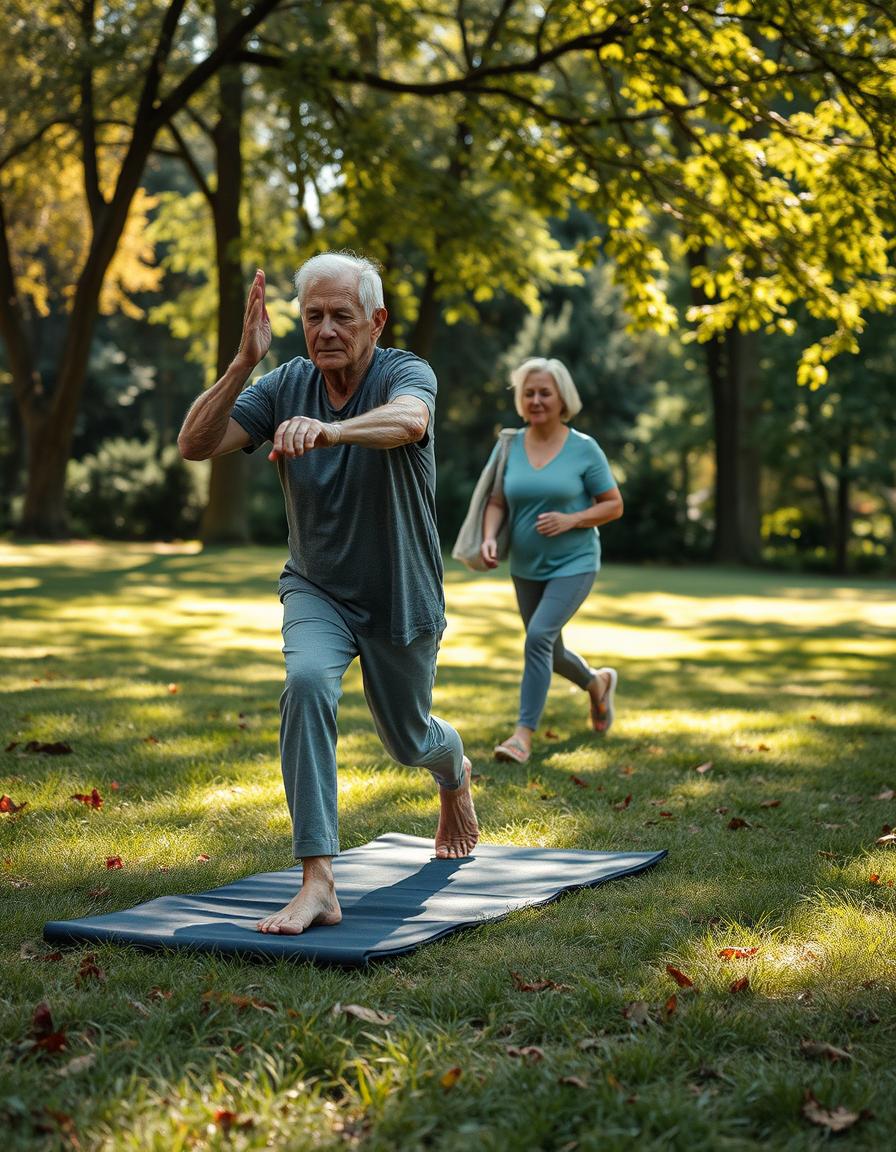
Growing older brings many changes, but staying healthy and active can make a huge difference in how we experience these years. Exercise plays a crucial role in healthy aging by helping maintain strength, balance, and mental clarity. When people think about aging, they often focus on what they lose rather than what they can keep or even improve. The connection between exercise and aging shows us a more hopeful story—one where staying active helps us enjoy longer, happier lives.
How Exercise Benefits the Aging Body
Exercise impacts almost every system in the body, which becomes more important as we get older. Muscle mass tends to decline with age, but physical activity can slow down or even reverse this loss. Strong muscles support joints, reduce pain, and make daily activities easier. Cardiovascular health is also boosted by exercise, lowering the risk of heart disease and stroke.
Maintaining Muscle and Bone Health
After age 30, people can lose up to 3–5% of muscle mass per decade if they’re inactive. This can lead to frailty and falls, which are significant concerns for older adults. Weight-bearing exercises like walking or light resistance training help maintain muscle and bone strength, reducing the risk of osteoporosis and fractures.
- Improves posture and balance
- Increases metabolism for better weight control
- Encourages better joint flexibility
Heart and Lung Health
Regular aerobic exercise—like swimming, biking, or brisk walking—keeps the heart strong and improves lung capacity. It can reduce blood pressure and improve cholesterol levels, decreasing the chances of cardiovascular problems. Even simple daily activities such as gardening can count as beneficial movement.
| Exercise Type | Benefits for Older Adults | Examples |
|---|---|---|
| Strength Training | Builds muscle, supports joints | Resistance bands, light weights |
| Cardio | Improves heart and lung function | Walking, swimming, cycling |
| Flexibility | Prevents stiffness, aids mobility | Yoga, stretching exercises |
| Balance | Reduces falls | Tai Chi, standing on one foot |
Mental Health and Cognitive Benefits
Exercise doesn’t just build the body; it also sharpens the mind. Studies show that physical activity helps protect against memory loss and cognitive decline. It increases blood flow to the brain and encourages the growth of new brain cells, improving mood and reducing anxiety or depression.
One older man shared how taking up regular swimming classes turned his gloomy days into bright ones. I feel more alive now,” he said, “and I’m not afraid of forgetting things anymore.” That’s the power of exercise and aging working hand in hand.
Exercise and Social Connection
Group classes, walking clubs, or dancing can also improve social life, helping combat loneliness. Feeling connected is a big part of aging well, and exercise offers a natural way to meet new people and have some fun.
How Much Exercise is Enough?
Experts recommend that older adults aim for at least 150 minutes of moderate aerobic activity weekly, plus strength training twice a week. However, any amount of movement is better than none. Starting small, like a 10-minute stroll, can lead to bigger changes over time.
Here’s a simple weekly plan to consider:
- Monday: 30-minute walk
- Wednesday: Light strength training with resistance bands
- Friday: Yoga or stretching for flexibility
- Saturday: Social dance or group exercise
Remember, the goal is to enjoy being active, not to exhaust yourself. Listening to your body and adapting exercises as needed ensures you’re safe and motivated.
Nutrition’s Role in Supporting Exercise and Aging
Feeling strong requires good fuel, especially as metabolism slows down. Protein intake becomes more important to build and repair muscles. Hydration also plays a key role, as older adults sometimes feel less thirsty and may unintentionally drink less water.
People often overlook small daily habits that affect fitness. For example, knowing the impact of carbs in half and half can help maintain energy levels for workouts and recovery. If you want to learn more about this surprising nutrition insight, you can check out this article carbs in half and half.
Overcoming Barriers to Exercise
Sometimes getting started feels like climbing a mountain. Fear of injury, lack of motivation, or health problems can hold people back. But the good news is that even small steps count.
Tips for Staying Active Safely
- Consult your doctor before starting a new routine
- Start with low-impact activities and ease in gradually
- Find activities you enjoy to keep motivation up
- Use support from family or friends to stay accountable
One woman in her 70s said, “I never imagined I’d be lifting weights at this age. It’s changed how I feel about myself — like I’ve got a new lease on life.” Her story shows that age is just a number.
Conclusion
Exercise and aging go hand in hand in a beautiful dance that can bring strength, joy, and mental sharpness to life’s later years. Staying active helps maintain muscle, protect the heart, and keep the mind sharp. Pairing exercise with good nutrition and social connection creates a solid foundation for healthy aging.
While getting started might seem challenging, even small amounts of movement add up. With the right approach, it’s possible to enjoy aging with confidence and vitality. So lace up those shoes, find an activity you love, and remember: growing older is a journey best traveled on two feet!

Hey, I’m Zara! I’m all about simple, healthy living and feeling your best every day. On this blog, I share easy wellness tips, real talk about health, and small changes that make a big difference. Let’s keep it real, stay inspired, and feel good, together.