
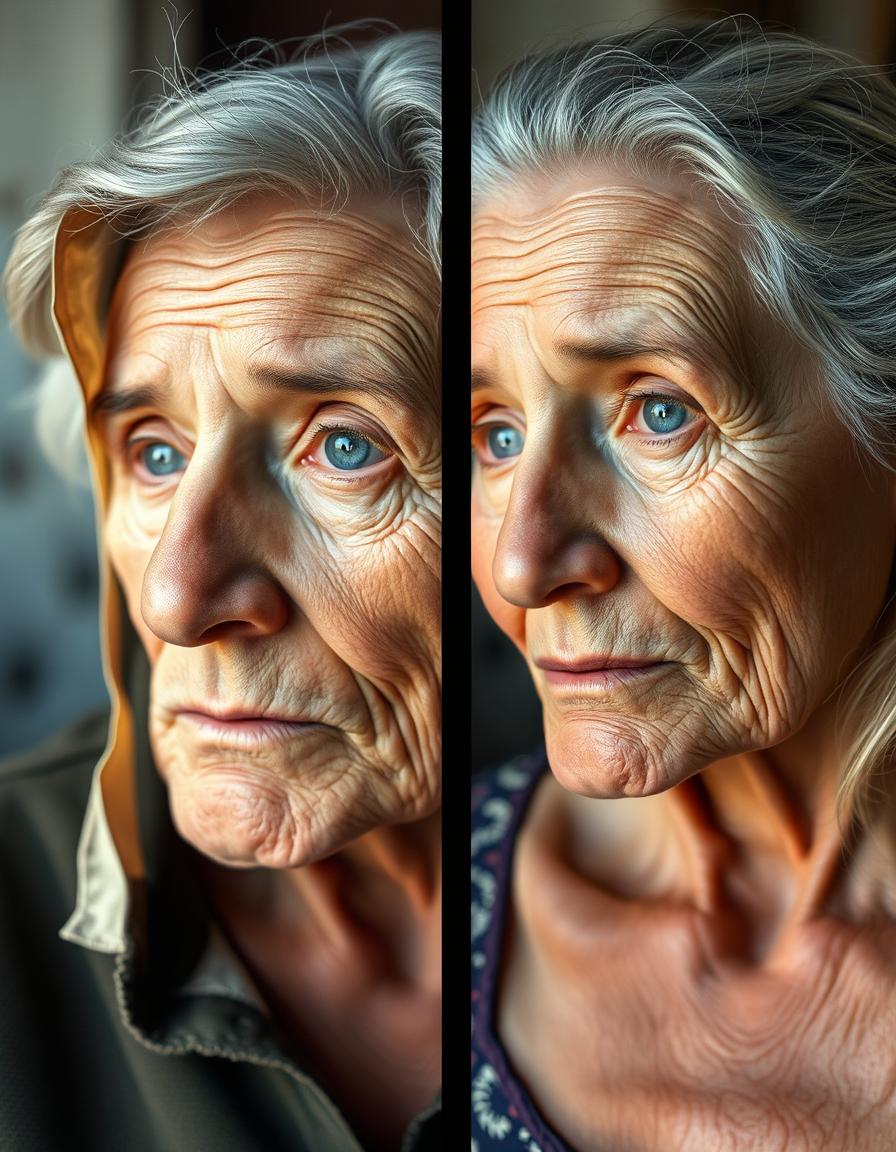
Aging is something everyone experiences, but did you know there are different ways our skin and body show signs of getting older? Two terms often talked about are natural aging and photo aging. While natural aging is the process our body goes through with time, photo aging is aging caused mainly by exposure to sunlight. Understanding the difference between these two can help you take better care of your skin and feel confident as you grow older.
What is Natural Aging?
Natural aging, also called intrinsic aging, is the gradual change our body goes through as time passes. Think of it as the built-in clock that ticks from birth. This process affects our skin, organs, muscles, and even our bones.
For the skin, natural aging means it becomes thinner, drier, and less elastic. The amount of collagen and elastin, which keep your skin firm and bouncy, decreases over time. You might notice fine lines or wrinkles forming, but these changes happen slowly and evenly.
Signs of Natural Aging on Skin
- Thinner and more transparent skin
- Fine lines and wrinkles, especially around eyes and mouth
- Dryness and rough texture
- Slow healing from cuts and bruises
- Less fat under the skin, causing a sunken look
What is Photo Aging?
Photo aging happens mainly because of repeated exposure to ultraviolet (UV) rays from the sun or tanning beds. Unlike natural aging, which happens inside your body, photo aging is caused by outside factors, especially sunlight. Over time, this exposure damages the skin’s structure, speeding up the aging process.
Imagine your skin like a piece of paper. Leaving it outside in the sun for days makes it brittle and faded. That’s similar to what UV rays do to your skin cells and collagen.
Common Signs of Photo Aging
- Deep wrinkles and creases, especially on the face, neck, and hands
- Uneven skin tone with dark spots or “sun spots”
- Rough, leathery texture
- Broken blood vessels visible on the skin
- Loss of skin elasticity and sagging
How Does Photo Aging Happen?
UV rays penetrate the skin and create free radicals—unstable molecules that damage skin cells. This damage breaks down collagen and elastin fibers, which are necessary for keeping skin firm and smooth. Over time, this leads to premature wrinkles and discoloration. The process can also cause DNA damage in skin cells, increasing the risk of skin cancer.
Natural Aging vs. Photo Aging: Spotting the Differences
| Aspect | Natural Aging | Photo Aging |
|---|---|---|
| Cause | Genetics and time | Sunlight (UV exposure) and tanning beds |
| Skin texture | Thinner, smoother with fine lines | Thickened, rough, leathery |
| Wrinkles | Fine and shallow wrinkles | Deep, pronounced wrinkles |
| Skin tone | Generally even, may show dullness | Uneven pigmentation, dark spots |
| Appearance age | Matches chronological age | Appears older than actual age |
| Risk factors | Genetics, lifestyle | UV exposure, smoking, pollution |
Why Understanding Photo Aging Matters
Knowing the difference between natural aging and photo aging helps you make better choices to protect your skin. While you can’t stop your body’s internal clock, you can control how much sun damage your skin receives.
For example, someone might blame their wrinkles only on getting older. In truth, much of those wrinkles could be from years of sun exposure without protection. Taking care of your skin today means fewer wrinkles and a healthier look tomorrow.
Practical Tips to Prevent Photo Aging
- Use Sunscreen Daily: Apply broad-spectrum sunscreen with at least SPF 30, even on cloudy days.
- Wear Protective Clothing: Hats, sunglasses, and long sleeves help block UV rays.
- Avoid Peak Sun Hours: Stay out of direct sunlight between 10 a.m. and 4 p.m., when UV rays are strongest.
- Skip Tanning Beds: They emit UV rays that contribute to photo aging and increase skin cancer risk.
- Moisturize Regularly: Hydrated skin stays more resilient against damage.
How Lifestyle Affects Both Types of Aging
Besides sun exposure, habits like smoking, poor diet, and lack of sleep can speed up both natural and photo aging. Smoking, for instance, reduces blood flow to the skin, making it look dull and wrinkled faster. Eating plenty of fruits and veggies gives your skin vitamins and antioxidants that help repair damage.
If you want to dive deeper into how to care for your skin and body as you grow older, check out this useful resource on Healthy Aging Today. It gives practical advice supported by science, helping everyone feel their best at any age.
Common Questions About Photo Aging
Can photo aging be reversed?
While you can’t completely erase photo aging, treatments like retinoids, chemical peels, and laser therapy can improve skin texture and reduce wrinkles. Early prevention is still the best approach.
Is tanning harmful if I want to avoid photo aging?
Yes. Any tanning, whether from the sun or tanning beds, increases UV damage and speeds up photo aging. A healthy glow is better achieved through sunless tanning products.
Does sunscreen protect against all photo aging?
Sunscreen protects against many harmful UV rays but isn’t 100% foolproof. Combining sunscreen with other protective habits gives the best defense.
Conclusion
Understanding the differences between natural aging and photo aging is important for keeping your skin healthy and youthful over time. Natural aging is part of life’s journey, happening quietly inside your body. Photo aging, however, is an external process driven by sun exposure that can age your skin much faster.
The good news is you have control over photo aging. By using sunscreen, wearing protective clothing, and avoiding harmful UV rays, you can keep your skin looking fresh and vibrant. Healthy habits like eating well and avoiding smoking improve the effects of both natural and photo aging. So, embrace your years with a smile, but don’t forget to give your skin the care it deserves!

Hey, I’m Zara! I’m all about simple, healthy living and feeling your best every day. On this blog, I share easy wellness tips, real talk about health, and small changes that make a big difference. Let’s keep it real, stay inspired, and feel good, together.