
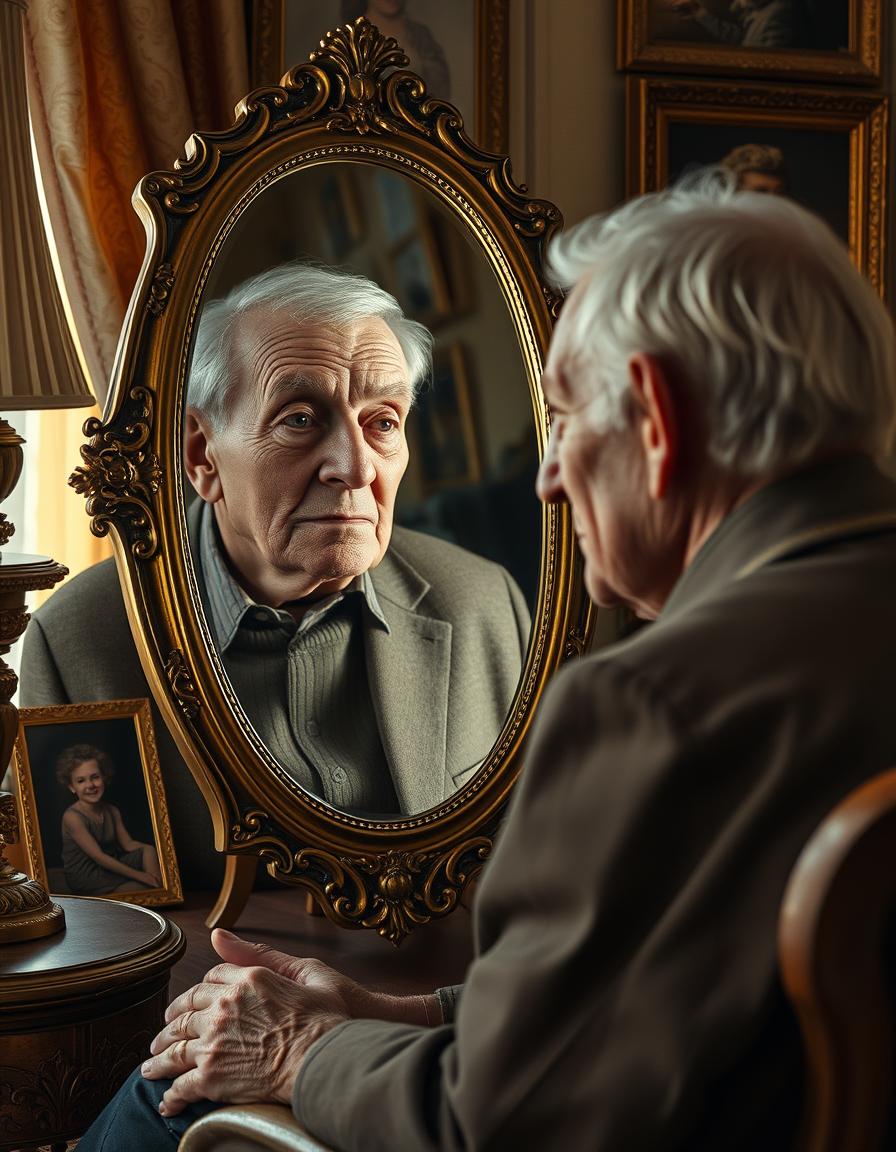
When people think about narcissism, they usually picture someone young, confident, and often self-centered. But what happens when that person grows older? The aging narcissist faces a unique set of challenges as time takes its toll. Aging can bring physical decline, changes in social roles, and shifts in how others perceive them. These factors can deeply affect an aging narcissist’s behavior and emotional state, sometimes in surprising ways.
What Is an Aging Narcissist?
An aging narcissist is someone who has exhibited narcissistic traits—such as a strong need for admiration, lack of empathy, and a grandiose sense of self—but who is now confronting the realities that come with getting older. These individuals often struggle to maintain the image they built earlier in life. As their looks fade, health issues arise, and social circles shrink, the narcissist must adapt or risk facing a loss of control over how others see them.
Common Traits That Persist
Even as they age, narcissists tend to hold onto some key behaviors:
- Self-focus: They remain highly concerned with their own image and reputation.
- Denial of vulnerability: Admitting any weakness or imperfection feels impossible.
- Manipulation: They might continue using others to keep their self-esteem intact.
- Lack of empathy: Feeling for others doesn’t usually increase with age.
However, aging can soften some of these traits or make them more obvious and less effective.
Challenges Faced by the Aging Narcissist
Physical Decline and Its Impact
The aging process often leads to a decline in physical appearance and health. For an aging narcissist, this can feel like the ultimate insult. They might become obsessed with holding onto their youthful looks or finding ways to hide signs of aging, sometimes going to extremes.
As vanity takes center stage, some turn to cosmetic surgery or other means to preserve their appearance. While this can temporarily soothe their fragile ego, it rarely solves the deeper issues they face.
Changes in Social Status
Many narcissists build their identity around success, admiration, and power. Retirement or physical limitations can strip these away. Suddenly, the spotlight that once shone brightly dims. Friends and colleagues may drift away, leaving the aging narcissist feeling isolated and vulnerable.
Without the constant validation from others, they can become desperate or bitter, sometimes lashing out in an attempt to regain control.
Emotional and Psychological Effects
Here is where things get complex. Some aging narcissists experience deep feelings of emptiness and fear. Years of relying on a grandiose self-image don’t prepare them for the reality of aging and mortality. This can lead to depression, anxiety, or increased irritability.
Others double down on their narcissistic behaviors, trying to convince themselves and everyone else that they remain young, important, and in charge.
How Relationships Change with an Aging Narcissist
Family Dynamics
Families often find it tough to deal with an aging narcissist. The person’s old patterns—demanding admiration, dismissing others’ feelings, or refusing to accept advice—can strain bonds even more as health and care needs increase.
- Caregiver stress: Family members may feel drained trying to balance compassion and managing difficult behaviors.
- Conflict over independence: The narcissist might resist help, insisting on controlling every aspect of their life.
- Mixed feelings: Loved ones may struggle between frustration and empathy.
Friendships and Social Connections
Social circles typically shrink with age, but an aging narcissist might also lose friends who become tired of their self-centeredness. They may seek out new relationships that fuel their ego, but forming meaningful connections becomes harder without genuine empathy.
Strategies That May Help an Aging Narcissist
Encouraging Self-Awareness
Helping an aging narcissist recognize their behaviors can be a delicate task. Sometimes therapy or counseling offers a safe space to explore identity beyond external validation. While narcissists may resist, some find relief in understanding themselves better.
Building New Sources of Meaning
Shifting focus from superficial admiration to more meaningful pursuits can be beneficial. Hobbies, volunteering, or mentoring younger people might help the aging narcissist develop a sense of purpose beyond their ego.
Physical Health and Wellness
Maintaining physical health is important for everyone. For an aging narcissist, staying fit can also help preserve self-esteem. Simple lifestyle changes and appropriate activities can make a difference.
If you or someone you care about is struggling, consider looking into the best exercise equipment for belly fat. Staying active is a great way to boost mood and health in later years.
Table: Common Behaviors of an Aging Narcissist vs. Younger Narcissist
| Aspect | Younger Narcissist | Aging Narcissist |
|---|---|---|
| Focus | Building success, attracting attention | Preserving image, resisting decline |
| Physical Appearance | Confident, youthful, flashy | Concerned, defensive, sometimes surgical |
| Social Interaction | Networking, dominating conversations | Clinging to old ties, loneliness |
| Emotional State | Energetic, bold, sometimes arrogant | Anxious, bitter, more vulnerable |
Why Understanding an Aging Narcissist Matters
Recognizing the struggles of an aging narcissist helps families, friends, and caregivers provide better support. It allows room for compassion, even when patience wears thin. After all, beneath the tough exterior is a person facing fears that many experience as they grow older.
Humor can sometimes ease the tension. Imagine the aging narcissist saying, “I’m not old—I’m just chronologically gifted!” It’s a witty reminder that everyone battles with getting older, even those who act larger-than-life.
Conclusion
The aging narcissist faces a unique set of challenges as time marches on. With physical changes, shifting social roles, and emotional hurdles, their world can feel less certain and more fragile. While some may cling tightly to their old ways, others might find new paths of self-awareness and meaning.
Understanding these changes encourages empathy and better coping strategies for everyone involved. After all, aging happens to us all, and a little kindness can go a long way—even for the most self-focused among us.

Hey, I’m Zara! I’m all about simple, healthy living and feeling your best every day. On this blog, I share easy wellness tips, real talk about health, and small changes that make a big difference. Let’s keep it real, stay inspired, and feel good, together.