
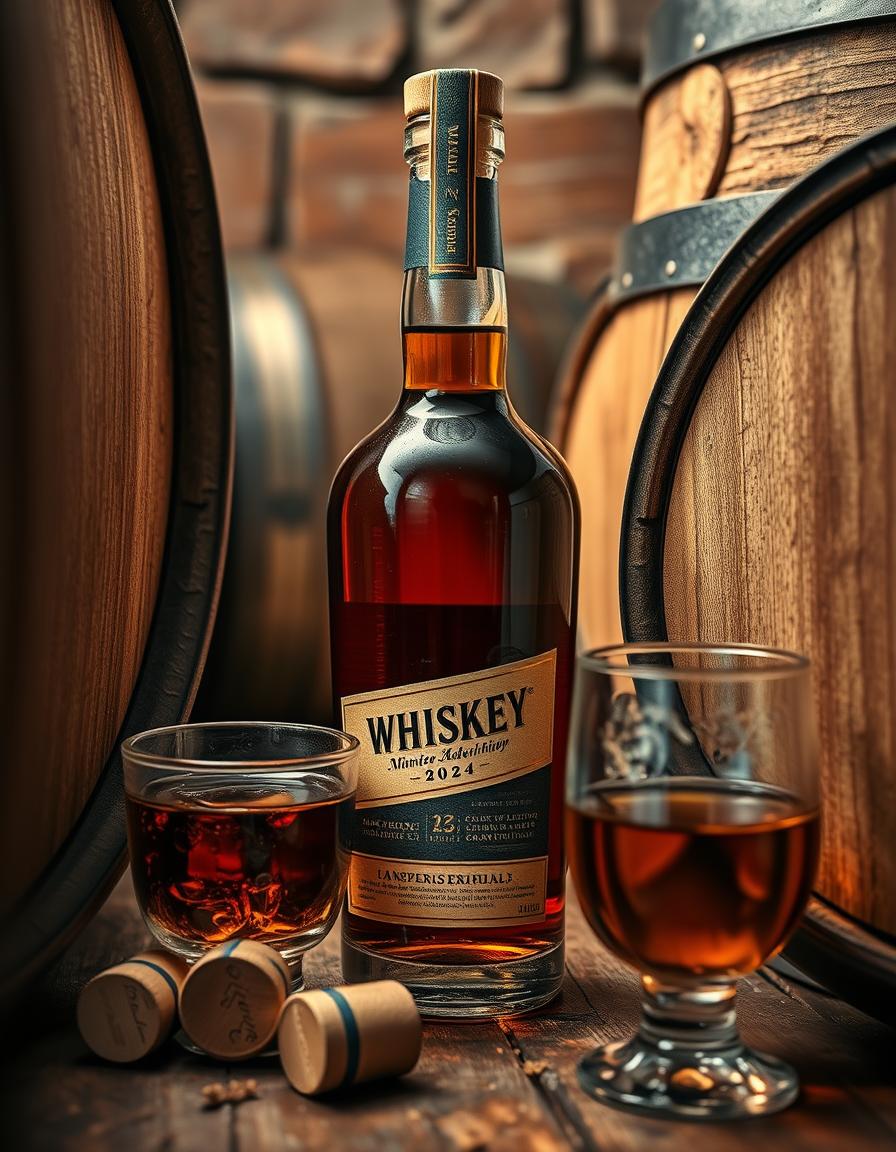
Aging alcohol is a fascinating process that has intrigued drink lovers and casual sippers alike. When you pick up a bottle of whiskey, rum, or wine that’s been aged for years, you might wonder: does aging alcohol make it stronger, or just smoother? This question is more interesting than it sounds because aging doesn’t simply add years to a bottle; it transforms its character, flavor, and sometimes its strength. Understanding how aging works helps us appreciate why some bottles become pricier and more sought-after over time.
What Happens When Alcohol Ages?
Aging alcohol usually means letting it rest in wooden barrels—often oak—for a period ranging from months to decades. This resting period allows chemical reactions that change the drink’s taste and aroma. But aging isn’t like wine left on a shelf getting better by magic. It’s quite a bit more complicated.
First, the wooden barrels gently interact with the alcohol. The wood lets in small amounts of oxygen, which helps mellow harsh flavors. It also imparts flavors from the wood itself, such as vanilla, caramel, or smoky notes. The alcohol also picks up compounds from the charred inside of barrels, adding depth and complexity.
The Role of Evaporation and Alcohol Content
During aging, some alcohol evaporates through the barrel, often called the “angel’s share.” This evaporation causes the volume to decrease, but what about strength? Surprisingly, the alcohol by volume (ABV) can increase or decrease depending on the environment. In humid places, water evaporates faster than alcohol, making the drink stronger. In drier climates, alcohol evaporates faster, leading to a lower ABV.
So, aging alcohol doesn’t guarantee a stronger drink. Its proof can fluctuate depending on conditions during aging, and distillers carefully monitor these changes. Sometimes they even dilute the final product with water before bottling to ensure consistency.
Does Aging Make Alcohol Stronger?
Many people believe that older whiskey or rum is automatically stronger, but aging doesn’t necessarily increase alcohol strength. Distilled spirits often enter the barrel at high proof, typically between 60% and 70% ABV. Over time, the ABV changes, but aging itself doesn’t boost it in a straightforward way.
In fact, some whiskies mellow out and lose a bit of their initial bite because alcohol may evaporate faster than water in some climates. So, if you’re expecting an aged whiskey to hit harder than a younger one, you might be surprised.
- Initial ABV: Usually high when put into barrels.
- Final ABV: Can be higher, lower, or the same, depending on evaporation.
- Bottling: Distillers often adjust ABV before selling.
How Different Alcohols Age
Aging isn’t just for whiskey. Rum, tequila, and even some gins get better with time in barrels. Wine is aged differently, usually in glass bottles or barrels for shorter periods. Each type responds uniquely to aging due to different ingredients and production methods.
| Type of Alcohol | Common Aging Vessel | Typical Aging Time | Effect on Strength |
|---|---|---|---|
| Whiskey | Oak barrels | 3–20+ years | Varies; can increase or decrease |
| Rum | Oak barrels | 1–12 years | Similar to whiskey |
| Tequila | Oak barrels (mostly American or French oak) | 2 months to 3 years | Mild changes |
| Wine | Oak barrels or bottles | Months to years | Usually decreases or stable |
How Aging Makes Alcohol Smoother
One of the biggest reasons people love aged alcohol is the smoothness it develops over time. Younger alcohols can be sharp, harsh, or “hot” on the tongue. Aging mellows these rough edges, making the drink easier and more pleasant to sip.
This smoothing happens because the wood absorbs some unwanted compounds and the oxidation process softens the flavors. Also, some tannins from the wood balance bitterness and add complexity. It’s a bit like how cheese or bread gets more flavorful with time.
The Flavor Journey During Aging
Imagine a young whiskey like a teenager—bold, a little wild, sometimes overwhelming. As it ages, it calms down and gets more thoughtful, offering hints of vanilla, caramel, nuts, or spices. The aging doesn’t just smooth out the harshness but adds layers of taste that were missing initially.
This process isn’t instant. A few months won’t cut it. The magic starts to happen after years, sometimes decades. However, aging too long can lead to over-wooded flavors, where the barrel dominates and masks the original spirit’s character. It’s all about balance.
Common Myths About Aging Alcohol
People often have misconceptions about aging alcohol. Clearing up these myths helps set expectations straight:
- Myth: Older always means better.
Reality: Older alcohol can be more refined, but too much aging can spoil taste. - Myth: Aging makes alcohol stronger.
Reality: Strength varies and isn’t guaranteed to increase. - Myth: All alcohol benefits from aging.
Reality: Some spirits (like vodka) don’t improve with aging and are best fresh.
Why Aging Alcohol Matters Today
Beyond taste and tradition, aging alcohol has gained attention for social and cultural reasons. Sipping on an aged whiskey in a cozy setting is almost a ritual for some. It’s about slowing down, appreciating craftsmanship, and connecting over shared experiences.
If you’re interested in a healthy lifestyle, balancing enjoyment with wellness is key. For example, couples focusing on healthy nutrition for couples often find pleasure in choosing quality over quantity, savoring aged spirits responsibly.
Tips for Enjoying Aged Alcohol
- Start Slow: Aged spirits can be complex—sip slowly to appreciate nuances.
- Proper Glassware: Use tulip-shaped glasses to focus aromas.
- Try Neat First: Taste without mixers to get the full flavor profile.
- Pairing: Complement with food like cheese, nuts, or dark chocolate.
Conclusion
Aging alcohol is less about simply making a drink stronger and more about creating a smoother, richer experience. The interplay between the spirit, wood, air, and time brings out unique aromas and flavors that captivate many fans around the globe. While alcohol strength may fluctuate throughout aging, the real magic lies in the texture and taste that develop. Enjoying aged alcohol is like listening to an old friend’s stories—full of depth, charm, and surprises.

Hey, I’m Zara! I’m all about simple, healthy living and feeling your best every day. On this blog, I share easy wellness tips, real talk about health, and small changes that make a big difference. Let’s keep it real, stay inspired, and feel good, together.