
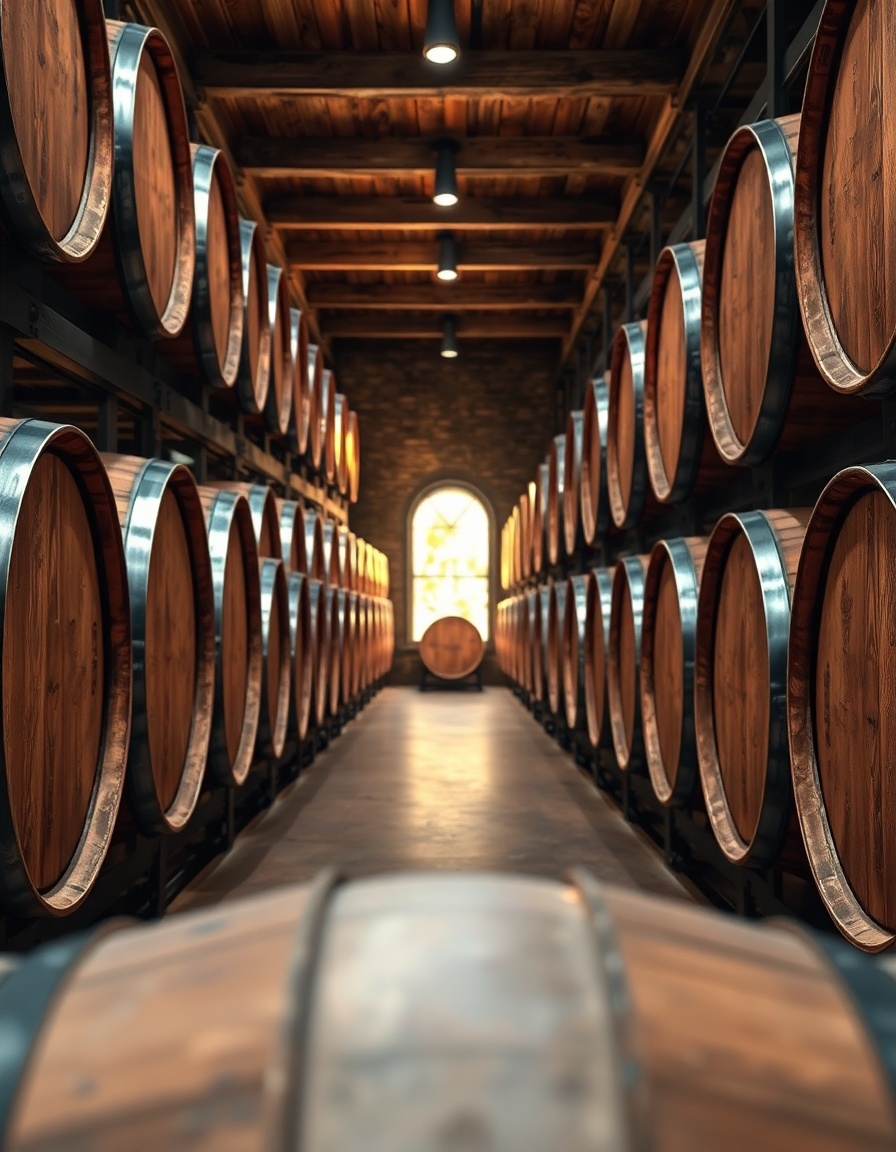
Wine has captivated people for thousands of years, enjoyed not only for its taste but also for how it changes and improves over time. Many wine lovers have experienced the thrill of opening a bottle that has aged beautifully, revealing flavors that were once hidden. But why do some wines age better than others? The answer lies in the fascinating science behind wine aging. Understanding what happens inside a bottle as it matures can help you appreciate your favorite wines even more, and perhaps guide your choices at the store or cellar.
What Happens When Wine Ages?
When a bottle of wine ages, several chemical and physical changes occur. These changes influence the wine’s flavor, aroma, color, and texture. Wine aging science explains that these transformations happen due to complex reactions between the wine’s components, such as acids, sugars, alcohol, tannins, and oxygen.
At a basic level, aging can soften harsh elements and bring out new flavors. For instance, tannins, which come from grape skins and seeds, might taste bitter or astringent in young wines. Over time, they can evolve into smoother, more pleasant mouthfeel sensations. Similarly, strong fruity or floral aromas can mellow into richer, deeper scents like leather, tobacco, or dried fruit.
The Role of Oxygen
Oxygen is both a friend and a foe in the wine aging process. A tiny amount of oxygen exposure is necessary for wine to develop complexity. This happens slowly through the cork or any slight leak, allowing the wine to “breathe.” However, too much oxygen can lead to spoilage, making the wine taste flat or vinegar-like.
winemakers carefully control oxygen exposure during production and choose the right corks or closures to ensure that the wine ages gracefully. This balance is a key part of wine aging science, as managing oxygen levels can mean the difference between a bottle that improves with age and one that quickly deteriorates.
Which Wines Age Best?
Not all wines are meant to age for years or decades. Some are best enjoyed young, while others gain extraordinary character after time. So what makes certain wines better suited for aging?
Important Factors for Aging Potential
| Factor | Why It Matters | Examples |
|---|---|---|
| Acidity | Acts as a preservative, keeps wine fresh over time | Riesling, Champagne, Sauvignon Blanc |
| Tannins | Provides structure and bitterness that softens with age | Cabernet Sauvignon, Nebbiolo, Syrah |
| Alcohol Content | Higher alcohol can help preserve but too much may overpower | Port, Amarone |
| Sugar Levels | Sweet wines resist spoilage and gain richness | Tokaji, Sauternes |
| Balance | Harmony of all components to evolve well | Fine Bordeaux, Burgundy |
Wines like Cabernet Sauvignon and Bordeaux blends often have the perfect mix of tannins and acidity to develop beautifully over 10-20 years or more. Meanwhile, delicate whites such as Sauvignon Blanc usually have a shorter life span but can hold their zest for a few years.
Vintage and Storage Conditions
The year the grapes were harvested, or the vintage, can influence how a wine ages. A great vintage often means the weather was just right for grapes to ripen with balanced sugars and acids. Such wines tend to have greater aging potential.
Storage conditions are just as crucial. Temperature swings, light exposure, and humidity all impact aging. Wine aging science shows that ideally, wine should be stored at a consistent 55°F (13°C), away from light, and with moderate humidity to keep corks from drying out.
How to Tell If a Wine Will Age Well
While some guesses come from experience, a few clues can help you decide if a wine will benefit from aging. Here’s a quick checklist:
- Look at the grape variety: Some grapes are naturally more age-worthy.
- Check the tannin level: Wines high in tannins usually age better.
- Assess acidity: Tart wines tend to last longer.
- Consider alcohol and sweetness: Sweet and fortified wines often age well.
- Research the producer and vintage: Quality matters a lot.
Remember, not every bottle will improve indefinitely. After reaching a peak, wines can lose their charm and fade away.
What Changes Happen Inside the Bottle?
When the bottle is sealed, the wine embarks on a slow and intriguing journey. Here’s what happens during aging:
- Tannin Polymerization: Tannins combine to form longer chains, reducing bitterness and astringency.
- Acid Transformation: Malic acid can convert into softer lactic acid, making the wine taste creamier.
- Flavor Development: Primary fruity flavors give way to secondary and tertiary notes like spices, nuts, and earthiness.
- Color Shift: Red wines tend to lose their bright red color and turn brick or brownish, while whites may deepen from pale yellow to amber.
Think of wine aging like a slow-cooked stew—the ingredients get richer and more blended over time.
Common Misconceptions About Wine Aging
Not every wine improves with age, and many wines you find in stores are made to be drunk young. Here are some myths busted:
- “All wine gets better with age.” Actually, most wines are best enjoyed within a few years.
- “Vintage means better aging.” Sometimes vintage matters, but not always. Winemaking style and storage play bigger roles.
- “Expensive means it will age well.” Price can indicate quality but not guaranteed longevity.
Interesting Anecdote: The Lost Bottle of Wine
Legend tells of a cellar discovered after decades, filled with dusty bottles nobody touched. Among them was a bottle of 1945 Château Mouton Rothschild, known for exceptional aging qualities. When opened, it revealed complex aromas and flavors that amazed even seasoned sommeliers. This story highlights how unique a well-aged wine can be and sparks curiosity about what’s happening inside that sealed glass.
On a completely different note, if you or someone you know is dealing with medical challenges that require lifestyle changes, such as adjusting to living with a colostomy, it can be helpful to learn about life expectancy with a colostomy bag. Understanding such topics empowers people to face their journeys with confidence and hope.
Conclusion
The science behind why some wines age better reveals an intricate dance of chemistry and nature. From tannins softening over the years to the crucial role of oxygen and proper storage, many factors combine to shape a wine’s journey. By appreciating wine aging science, enthusiasts can better decide which bottles are worth holding onto and which should be enjoyed sooner. Whether you are a casual drinker or an aspiring collector, knowing how wine evolves makes every sip a richer experience.

Hey, I’m Zara! I’m all about simple, healthy living and feeling your best every day. On this blog, I share easy wellness tips, real talk about health, and small changes that make a big difference. Let’s keep it real, stay inspired, and feel good, together.