
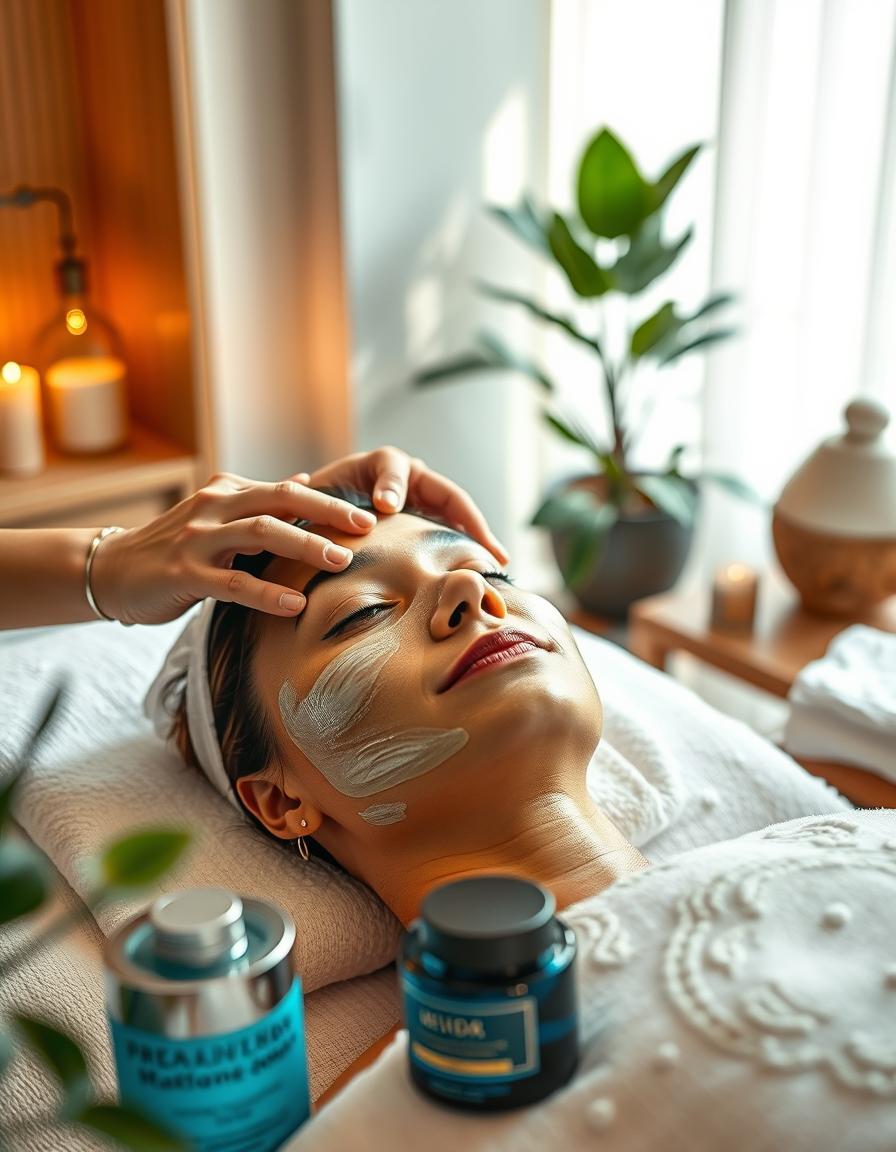
We all wish we could press a pause button on aging, especially when it comes to our skin. Anti-aging facials have become a popular choice for people wanting to keep their skin looking fresh and youthful. But a common question pops up: how often should you get an anti-aging facial? It’s a bit like watering a plant—you want to give it enough care without overdoing it. Let’s explore what factors affect the ideal frequency and how to get the most out of these skin-reviving treatments.
What Is an Anti-Aging Facial?
An anti-aging facial is a skincare treatment that aims to reduce signs of aging such as wrinkles, fine lines, and dull skin. Unlike regular facials, these often include special ingredients or techniques to boost collagen, improve skin texture, and hydrate deeply. Think of it as a workout session for your face—working out those tired skin cells to help them look more energized and vibrant.
Common components of an anti-aging facial might include:
- Exfoliation to remove dead skin
- Facial massage to improve circulation
- Application of serums rich in antioxidants or vitamins
- Moisturizing masks for hydration
- Sometimes light therapy or microdermabrasion
Each of these steps helps your skin fight back against the natural wear and tear of time and environmental stressors.
Factors That Affect How Often You Should Get an Anti-Aging Facial
There’s no magic number that applies to everyone. The frequency depends on several personal and environmental factors. Let’s break down the main ones to consider.
Your Skin Type
People with dry or mature skin tend to benefit from more frequent anti-aging facials because their skin can use extra hydration and collagen support. Normal or oily skin types may not need treatments as often, but gentle care helps maintain a healthy glow.
Age and Skin Condition
The skin’s needs change over time. In your 20s and 30s, yearly or bi-yearly treatments might be enough to delay the first signs of skin aging. Once you hit your 40s and beyond, monthly or every 4-6 weeks sessions can help address wrinkles and firmness more actively.
Lifestyle and Environment
If you spend lots of time in the sun, live in a dry climate, or are often exposed to pollution, your skin may age faster. This means you might want to schedule anti-aging facials a bit more often to fight damage and keep your complexion bright.
Personal Goals and Budget
Some people want subtle maintenance, while others want to see dramatic improvements. More frequent facials can speed up results, but they can add up in cost. Finding a balance that fits your goals and budget is key.
Recommended Frequency of Anti-Aging Facials
| Skin Type / Age | Recommended Frequency | Reason |
|---|---|---|
| 20s to early 30s, normal skin | Every 3 to 6 months | Prevent early signs of aging, maintain glow |
| 30s to 40s, dry or combination skin | Every 6 to 8 weeks | Hydrate and support collagen production |
| 40s and above, mature skin | Every 4 to 6 weeks | Address wrinkles, improve elasticity and firmness |
| Sensitive skin | Consult a professional | Avoid irritation, customize approach |
Remember, these are general guidelines. Listening to your skin’s reactions and discussing with a skincare specialist can help you find what works best.
What Happens If You Get Too Many or Too Few Facials?
Getting too many anti-aging facials might irritate your skin or cause sensitivity. It’s kind of like eating your favorite candy every day—it loses its charm and might upset your stomach! On the flip side, waiting too long between treatments might slow down progress and make your skin feel dry or tired.
Finding a rhythm is essential. Think of it as tuning a musical instrument—you want to keep your skin “in tune” but not overplayed.
Tips to Maximize the Benefits of Your Anti-Aging Facial
- Stay hydrated: Drinking enough water adds to your skin’s natural glow.
- Use sunscreen daily: Protecting your skin from UV rays is crucial to prevent further aging.
- Follow a consistent skincare routine: Cleansing, moisturizing, and using antioxidant serums help maintain results.
- Avoid smoking and limit alcohol: These habits accelerate skin aging.
- Communicate with your esthetician: Share any skin changes or concerns to adjust treatments accordingly.
The Unique Role of Professional Guidance
While many enjoy DIY masks and treatments, an anti-aging facial done by a professional provides benefits that home care can’t fully match. The skills and products used during a professional facial penetrate deeper and target specific concerns more effectively.
If you track your skincare routines or appointments, you might find this guide on AR Aging Days Excel helpful. It’s a simple way to keep tabs on your treatments and understand how your skin changes over time.
Signs It’s Time for Your Next Facial
Your skin often hints when it needs some extra attention. Look out for:
- Dullness or uneven texture
- Increased dryness or flakiness
- Noticeable fine lines or loss of firmness
- Breakouts or clogged pores
When these show up, it’s probably a good idea to treat yourself to an anti-aging facial. It’s like giving your face a little pep talk and a fresh start.
Conclusion
The frequency of getting an anti-aging facial depends on your skin type, age, lifestyle, and goals. While some people may benefit from monthly sessions, others might do well with facials every few months. The most important part is to listen to your skin and give it the care it needs without going overboard. With regular attention, hydration, and protection, you can help your skin stay vibrant and resilient. Don’t hesitate to consult a professional to find the rhythm that suits you best. After all, glowing skin is always in style!

Hey, I’m Zara! I’m all about simple, healthy living and feeling your best every day. On this blog, I share easy wellness tips, real talk about health, and small changes that make a big difference. Let’s keep it real, stay inspired, and feel good, together.