
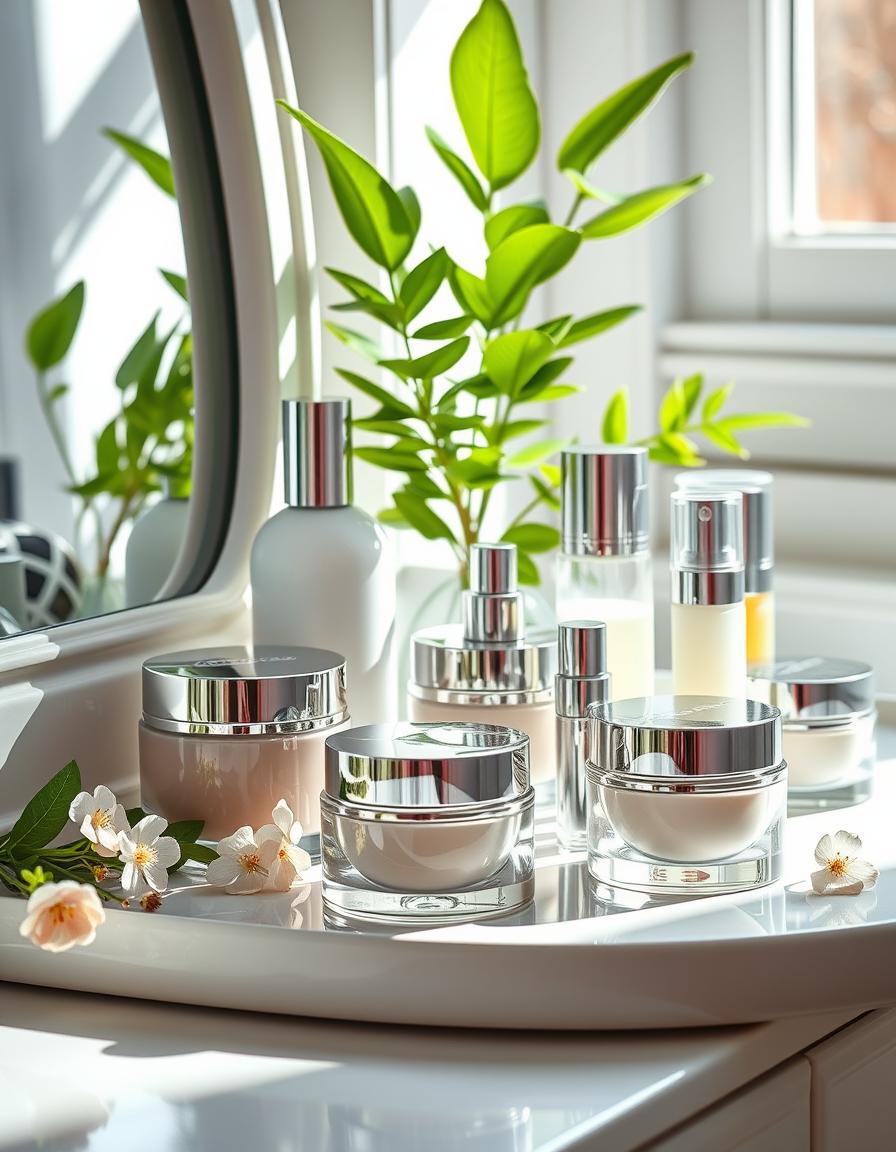
Anti-aging creams flood the shelves promising youthful skin and fewer wrinkles. But the big question remains: do anti-aging creams work? Many of us have tried lotions and potions hoping to turn back the clock or at least slow it down a bit. With so many options claiming miracle results, it’s easy to be skeptical. Let’s explore what these creams really do, what science has to say, and whether they’re worth your time and money.
How Does Our Skin Age?
Before understanding if anti-aging creams work, it helps to know how skin changes over time. Our skin is the largest organ and acts like a protective shield. However, as we get older, it naturally loses moisture, collagen (the protein that keeps skin firm), and elasticity.
External factors like sun exposure, pollution, and smoking also speed up aging, causing wrinkles, spots, and dryness. Think of skin like a balloon: when new, it’s smooth and firm, but over time, it begins to sag and wrinkle.
The Role of Collagen and Elastin
Collagen and elastin are the main building blocks that keep skin tight and bouncy. Unfortunately, production drops with age. Less collagen means skin can’t repair itself as well, leading to fine lines and sagging. Many anti-aging creams aim to boost collagen levels or protect existing collagen from damage.
Key Ingredients in Anti-Aging Creams
Not all creams are created equal. Ingredients make the biggest difference in whether a product has any effect. Here’s a quick table showing common anti-aging ingredients and what they do:
| Ingredient | Function | Effectiveness |
|---|---|---|
| Retinoids (Vitamin A derivatives) | Stimulate collagen production and cell turnover | Strong evidence supports their use in reducing wrinkles |
| Peptides | Signal skin to produce collagen | Moderate evidence; results can vary |
| Antioxidants (Vitamin C, E) | Protect skin from free radicals and brighten complexion | Helpful as preventive measure |
| Hyaluronic Acid | Hydrates and plumps skin by holding moisture | Effective for improving skin texture and hydration |
| Sunscreen | Protects against UV damage | Crucial for preventing premature aging |
What About Natural or “Botanical” Ingredients?
Many creams boast of natural extracts like green tea, aloe, or chamomile. While these can soothe skin and provide antioxidants, their anti-aging effects are usually mild. They’re great for keeping skin healthy but shouldn’t be expected to erase wrinkles.
Do Anti-Aging Creams Work? The Evidence
Now to the big question many ask. The truth is, anti-aging creams can work to a certain extent, but results depend on several factors:
- Ingredient quality: Creams with proven ingredients like retinoids tend to show more noticeable improvements.
- Consistency: Most creams require daily use for several weeks or months.
- Skin type and age: Younger skin may respond better; older skin with deep wrinkles is harder to improve without medical treatments.
- Sun protection: Regular use of sunscreen is key to prevent further damage and enhance cream benefits.
Several studies confirm that retinoids improve fine lines and skin texture. Hyaluronic acid can temporarily make skin look plumper by hooking onto moisture. Antioxidants help protect skin cells from damage, slowing down aging signs. However, no cream can completely stop or reverse aging, as it’s a natural biological process.
Why Results Vary So Much
Some people swear by their anti-aging creams, while others feel disappointed. Skin is complex and different for everyone. Factors such as diet, genetics, lifestyle, and even stress levels affect results. By the way, learning about Stress Management and Aging can also be a game changer in taking care of your skin overall.
It’s also important to have realistic expectations. Creams work best at smoothing fine lines and improving skin hydration, not erasing deep wrinkles or sagging.
Tips to Get the Most Out of Your Anti-Aging Cream
If you decide to try an anti-aging cream, here are some simple ideas to make sure you get the best results:
- Choose products with proven ingredients: Look for retinoids, peptides, vitamin C, and hyaluronic acid.
- Apply sunscreen every day: UV protection is the best way to avoid premature aging.
- Use a gentle cleanser: Avoid harsh soaps that can dry out your skin.
- Be patient: Improvements take time, usually 6 to 12 weeks.
- Moisturize: Keeping skin hydrated enhances texture and glow.
When to See a Professional
If you’re dealing with deep wrinkles, sagging, or age spots, creams might not be enough. Dermatologists offer options like laser therapy, chemical peels, and injectables that target skin aging at a deeper level. An expert can help find the right combination of treatments based on your skin.
Common Myths About Anti-Aging Creams
- Myth: Anti-aging creams can completely erase wrinkles.
Fact: They help improve appearance but don’t erase deep wrinkles. - Myth: More expensive creams work better.
Fact: Price doesn’t always equal effectiveness; check the ingredients instead. - Myth: You only need to use creams when wrinkles appear.
Fact: Prevention starting early is key for healthier skin later.
Remember, aging is a natural part of life — and embracing it with care and good habits is the best approach.
Conclusion
So, do anti-aging creams work? Yes, but with some caveats. They can improve skin texture, hydration, and reduce fine lines, especially if they contain active ingredients like retinoids and antioxidants. However, they won’t magically reverse aging or erase deep wrinkles.
Using creams consistently along with good lifestyle choices—like sun protection, a balanced diet, and managing stress—will provide the best chance at healthier, glowing skin. Keep in mind that aging gracefully involves more than just creams; it’s about how you care for yourself inside and out.
In the end, choosing to use anti-aging creams can be a helpful part of your skin routine, but expecting miracles isn’t fair to yourself or your skin. Instead, focus on nurturing your skin and health with kindness and patience; your future self will thank you.

Hey, I’m Zara! I’m all about simple, healthy living and feeling your best every day. On this blog, I share easy wellness tips, real talk about health, and small changes that make a big difference. Let’s keep it real, stay inspired, and feel good, together.