
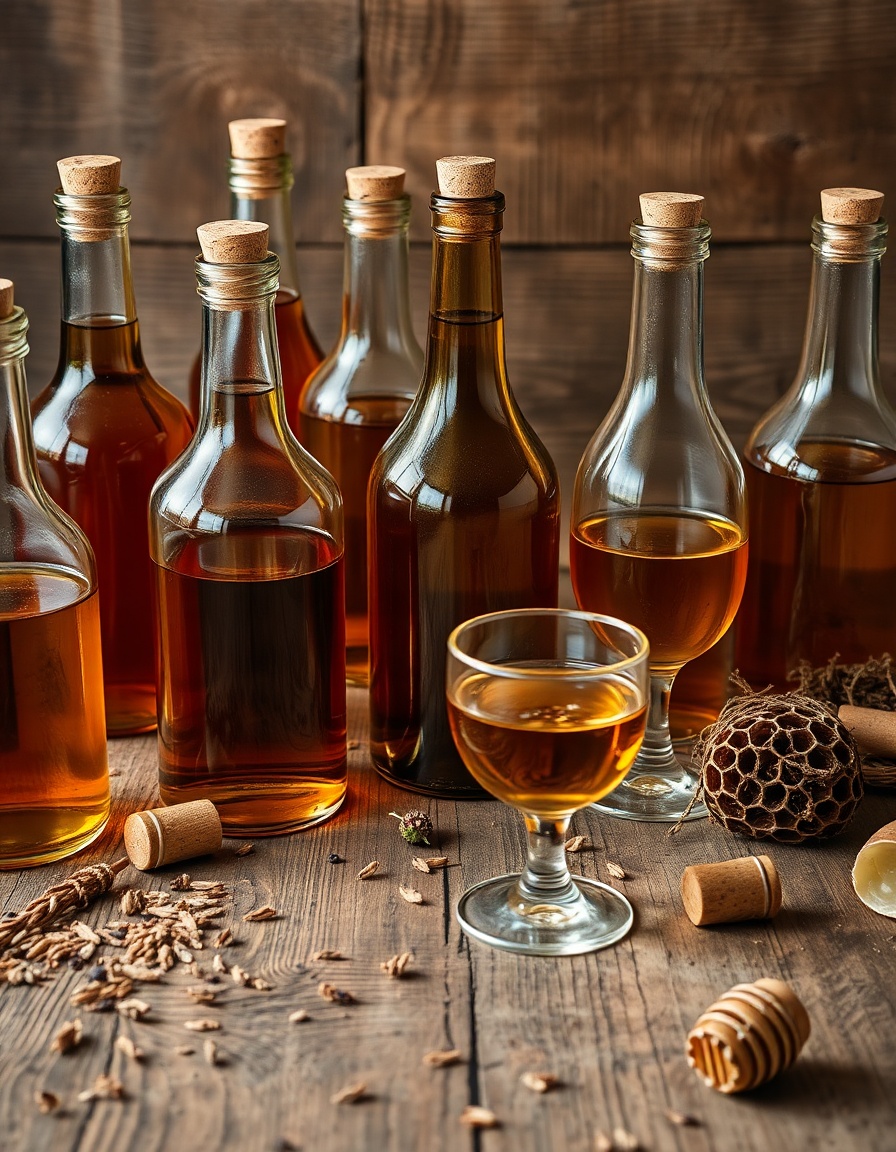
Mead, often called the “nectar of the gods,” is one of the oldest alcoholic beverages known to humanity. Made primarily from honey, water, and yeast, mead has a sweet, sometimes floral flavor that many people love. But just like wine or whiskey, mead can change dramatically as it ages. Aging mead can transform its taste, aroma, and texture in fascinating ways, making it a favorite experiment for homebrewers and connoisseurs alike. But what exactly happens during that aging process? Let’s explore the magical journey of mead over time.
What Is Aging Mead?
Aging mead refers to the process of letting the beverage sit for an extended period after fermentation, allowing chemical reactions to develop and alter its qualities. Unlike beer, which often tastes best when fresh, mead benefits from patience. This aging lets the flavors mellow, blend, and sometimes become more complex.
Think of it as letting good cheese or fruit jam sit for a while—time often improves quality and depth. However, unlike all foods and drinks, aging mead isn’t about going stale or bad; it’s about transformation.
The Chemistry Behind Aging Mead
During aging, several slow chemical processes take place inside the bottle or barrel. Yeast and other microorganisms have mostly completed their work by the time aging starts, but what remains is a quiet, gradual dance of molecules.
- Oxygen Exposure: Even tiny amounts of oxygen can react with the mead, changing its flavors and aromas.
- Tannin Development: If the mead was made or aged in wooden barrels or with fruit skins, tannins can add structure and astringency.
- Acid Changes: Acids within the mead can soften or sharpen, affecting the overall balance.
- Sugar and Alcohol Interaction: Over time, residual sugars and alcohol interact, sometimes producing new flavor compounds.
These changes might sound complicated, but the result is often a smoother, richer, and more harmonious drink.
How Flavor Changes Over Time
One of the most exciting parts of aging mead is how the flavor profile shifts. Fresh mead usually tastes bright, sweet, and fruity, with honey standing front and center. But as months or years pass, that sweetness can mellow, revealing subtle layers underneath.
Here’s a rough guide to what might happen to mead’s flavor as it ages:
| Age | Flavor Characteristics |
|---|---|
| Fresh (0-3 months) | Sweet, fruity, floral, sometimes a bit sharp or raw |
| Young (3-12 months) | Softer sweetness, some complexity, slight mellowing of harsh edges |
| Mature (1-3 years) | Rich, smooth, balanced, layers of spice, oak (if barrel-aged), and honey deepen |
| Old (3+ years) | Deep, complex, sometimes with hints of caramel, dried fruit, or nutty flavors; can be less sweet |
Just like an old pair of jeans, aged mead has character and stories to tell. But be warned—aging too long or storing mead improperly can sometimes lead to off-flavors or flatness.
What Affects How Mead Ages?
Several factors influence how aging mead will turn out, including:
- Honey Type: Different honeys carry different flavor potentials. For example, orange blossom honey might age differently than buckwheat honey.
- Alcohol Strength: Higher alcohol meads tend to age better and longer.
- Sweetness Level: Dry meads may age more gracefully than very sweet ones, which can become cloying over time.
- Storage Conditions: Temperature, light exposure, and humidity all play a role. A cool, dark spot is best.
- Container: Aging in bottles vs. barrels yields different results. Barrels can add wood flavors and tannins.
Tips for Aging Mead at Home
If you’re thinking about trying aging mead yourself, here are some friendly pointers to ensure your nectar improves rather than spoils:
- Choose the Right Mead: Start with a mead that has moderate to high alcohol content and balanced sweetness.
- Store Properly: Keep bottles upright in a cool, dark place away from temperature fluctuations.
- Be Patient: Resist the urge to open your mead early. Give it at least several months to develop.
- Label Your Bottles: Note the date of bottling and planned tasting times to track progress.
- Experiment: Try aging multiple bottles and tasting periodically to see how flavors shift.
Remember, aging mead is as much an art as a science. Sometimes you’ll hit a sweet spot; other times, the flavor might surprise you in unexpected ways.
Common Myths About Aging Mead
There are a few myths floating around about aging mead that might confuse beginners. Let’s clear a few up:
- Myth 1: All mead tastes better with age. Not always! Some meads are crafted to be enjoyed fresh and may lose their appeal if aged too long.
- Myth 2: The darker the mead, the older it is. Color can come from honey type, added fruits, or barrel aging—not just age.
- Myth 3: Aging stops after bottling. Aging continues in the bottle, but how quickly depends on storage and mead composition.
The Role of Aging in Mead’s Health Aspects
Besides taste, aging mead can slightly change its health-related properties. Since mead is made from honey, it carries some antioxidants and trace nutrients. As it ages, some antioxidants might degrade, but the alcohol content remains stable, which can have both positive and negative effects.
While moderate mead consumption might offer some benefits, it’s always good to consume responsibly. For seniors and caregivers looking for creative ways to support brain health and engagement, resources like free dementia activity packs can be a great help.
Conclusion
Aging mead is a fascinating journey from bright, sweet honey flavors to a more complex, layered beverage full of character. The transformation depends on factors such as the type of honey, alcohol strength, storage conditions, and patience. Whether you’re a curious beginner or a serious mead lover, giving mead time to age can offer a uniquely rewarding experience. Just like fine stories told by wise elders, aged mead carries depth, warmth, and a hint of mystery—qualities that make each sip memorable.

Hey, I’m Zara! I’m all about simple, healthy living and feeling your best every day. On this blog, I share easy wellness tips, real talk about health, and small changes that make a big difference. Let’s keep it real, stay inspired, and feel good, together.