
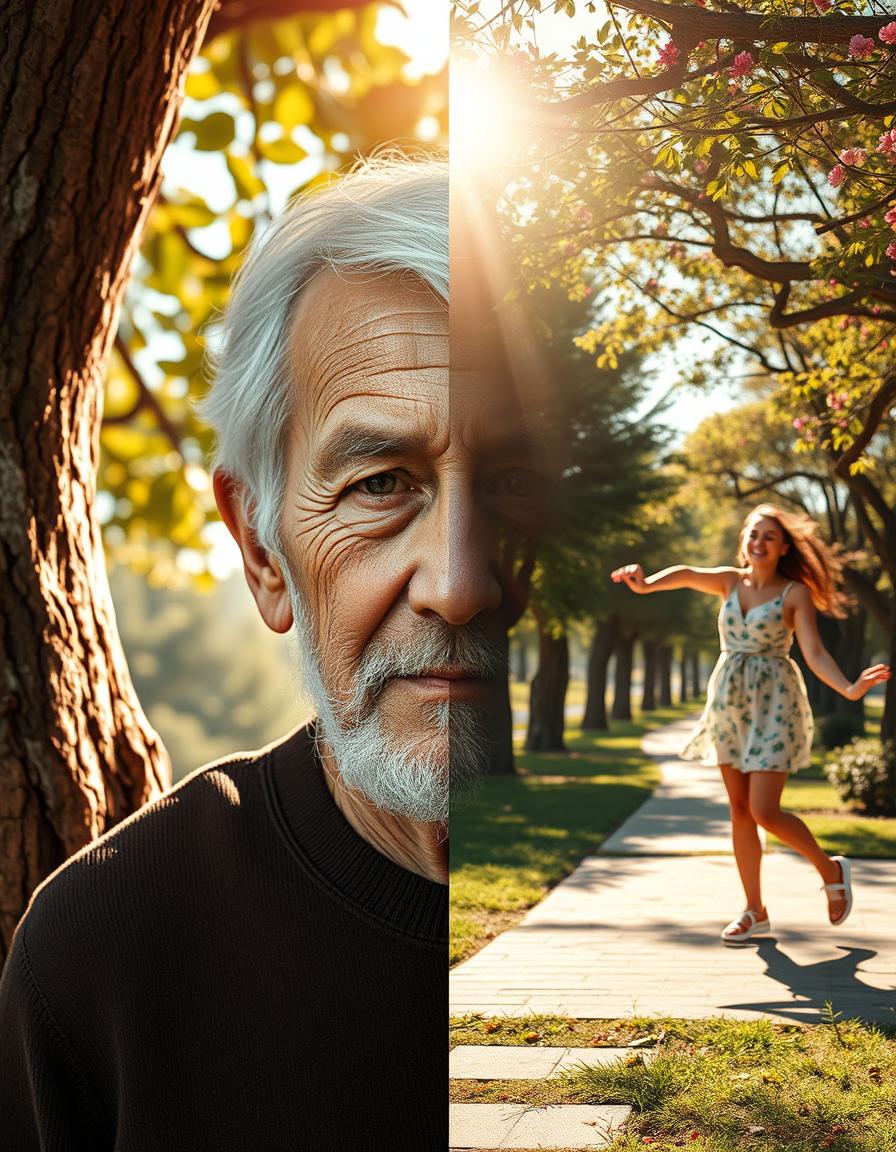
Aging is something everyone experiences, but it feels different for each person. Imagine living in two worlds at once—one where your body slows down, and another where your mind and spirit can still run free. These are the two worlds of aging, and understanding them can change how we see getting older. It’s not just about wrinkles or grey hair; it’s about balancing challenges and opportunities in our later years.
The Physical World of Aging
First, let’s talk about the physical side of aging. As our bodies get older, they go through changes that can be frustrating or surprising. Muscle strength might decrease, memory might get a bit fuzzy, and energy levels often dip. These physical changes are a natural part of life, but they can sometimes make everyday activities harder.
Common Physical Changes
- Reduced muscle mass and strength
- Slower metabolism and digestion
- Changes in skin texture and elasticity
- Decreased bone density
- Slower reflexes and balance issues
While these changes might sound like a lot, many people live active, healthy lives despite them. It’s about adapting and finding ways to keep moving, even if things aren’t as easy as they once were. This can mean starting simple exercise routines, eating differently, or paying more attention to rest.
The Impact on Daily Life
Physical aging can affect daily tasks—from climbing stairs to remembering appointments. Some people might need assistance with activities they used to do alone. The key is to recognize these changes early and make small shifts to maintain independence. It might feel like a challenge, but it’s a normal part of the journey.
The Emotional and Mental World of Aging
Now, let’s look at the emotional and mental side, which often gets overlooked. Many people imagine aging as a slow slide into forgetfulness or sadness, but that’s just part of the picture. In fact, some older adults report feeling emotionally stronger and more content than they did in youth.
Wisdom and Emotional Growth
One of the unique benefits of aging is the development of emotional wisdom. Years of experience teach us how to handle stress better, forgive more easily, and appreciate small joys. This mental growth often leads to better emotional balance and a more peaceful outlook on life.
Common Emotional Challenges
- Feeling lonely or isolated
- Dealing with loss of loved ones
- Adjusting to retirement or lifestyle changes
- Managing anxiety about health or the future
It’s important to address these emotions openly. Talking with friends, joining groups, or even seeing a counselor can make a big difference. Mental health is just as important as physical health, especially as we age.
How the Two Worlds Intersect
The two worlds of aging—the physical and the emotional—don’t exist separately. They influence each other every day. For example, if someone feels lonely or depressed, they might not have the energy to exercise. On the flip side, staying physically active can boost mood and mental clarity.
Finding balance between these worlds is a bit like juggling. Drop one ball, and the whole act feels harder. That’s why many health experts suggest a combined approach, addressing both body and mind to age well.
Activities to Bridge Both Worlds
| Activity | Benefits for Physical Health | Benefits for Emotional/Mental Health |
|---|---|---|
| Walking or Light Exercise | Improves strength and balance | Reduces stress and improves mood |
| Social Groups or Clubs | Encourages movement and activity | Fights loneliness and builds friendships |
| Mindfulness and Meditation | May lower blood pressure | Enhances calmness and focus |
The Power of Positive Aging Mindsets
How you think about aging can change your experience of it. Some people dread getting older, but others embrace it with excitement and curiosity. This attitude can have a real impact on health and happiness.
For example, adopting a growth mindset—believing that you can still learn and improve—can make aging feel like an adventure rather than a decline. Staying curious, trying new hobbies, and setting goals are ways to keep your mind sharp and spirits high.
If you want to feel better about your appearance as you age, exploring tips on how to look younger can be encouraging and uplifting. These small changes can support feeling good inside and out.
Practical Tips to Thrive in Both Worlds
- Stay active: Find exercises you enjoy, whether it’s dancing, gardening, or swimming.
- Eat well: Nourish your body with balanced meals and plenty of water.
- Keep learning: Take up new hobbies or study subjects that interest you.
- Stay connected: Reach out to friends and family regularly to build emotional support.
- Rest and relax: Give yourself permission to take breaks and enjoy downtime.
Balancing the two worlds of aging means caring for both body and mind. It’s about small, daily choices that add up to a fuller, happier life.
Conclusion
The two worlds of aging—the physical and the emotional—paint a fuller picture of what it means to grow older. Challenges in one world don’t have to define the whole experience. By embracing both, we can live with energy, joy, and a sense of purpose, no matter our age. Aging isn’t just about losing youth; it’s about gaining time to enjoy life’s unique gifts. After all, growing older is a journey worth celebrating.

Hey, I’m Zara! I’m all about simple, healthy living and feeling your best every day. On this blog, I share easy wellness tips, real talk about health, and small changes that make a big difference. Let’s keep it real, stay inspired, and feel good, together.