
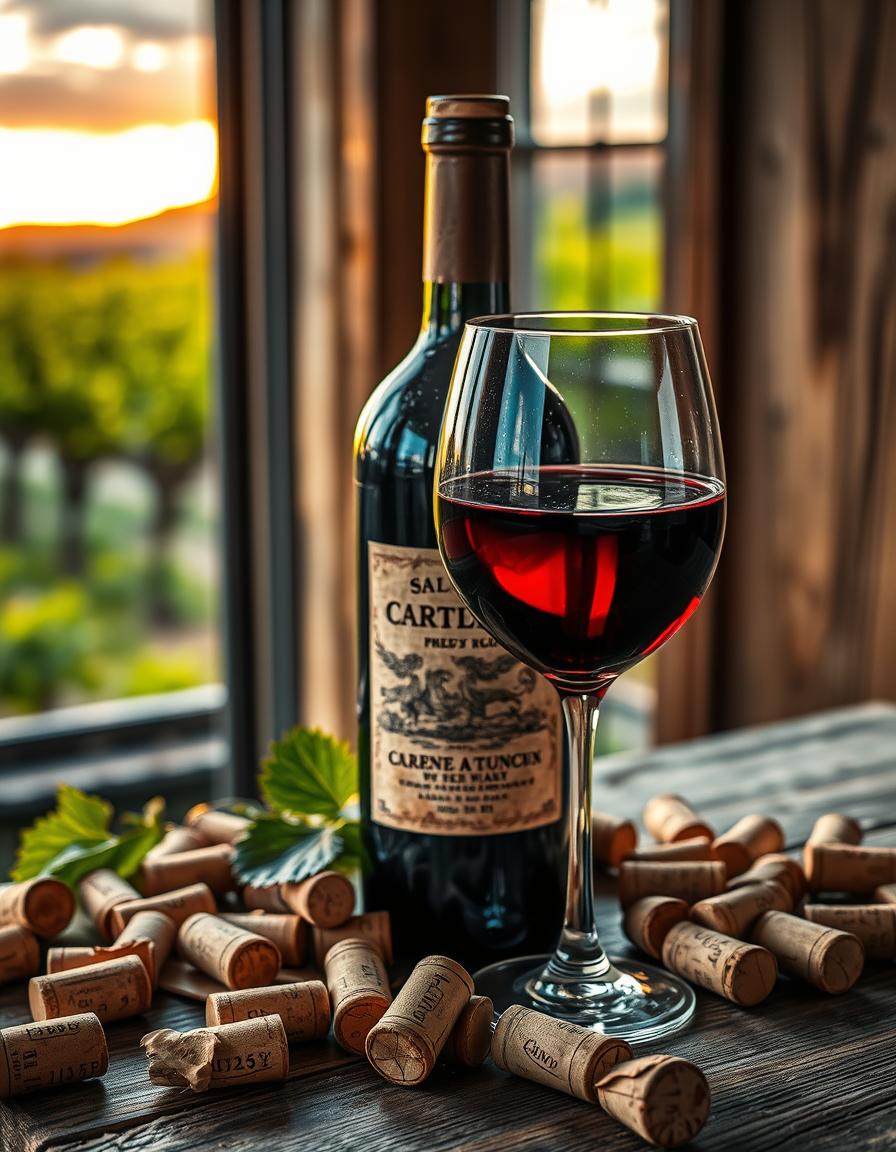
Aging wine has long been a subject of fascination for both casual drinkers and wine enthusiasts alike. The idea that a bottle of wine could improve, develop new flavors, and become more valuable over time is certainly appealing. But is aging wine worth it? Does it really make a difference to let wine sit quietly in a cellar for years, or are those bottles better enjoyed while fresh? This article explores the science, benefits, and myths surrounding aging wine to help you decide if holding onto that bottle is truly worthwhile.
What Does It Mean to Age Wine?
Aging wine is simply the process of storing wine for a period of time after bottling to allow chemical reactions to change its flavor, aroma, and texture. Some wines develop deeper, more complex characteristics while others may actually lose their charm over time. The trick is knowing which wines have the potential to improve with age and how long they need to mature.
How Wine Changes Over Time
When wine ages, several things happen at once. Tannins—the compounds responsible for dryness in red wines—soften, making the wine smoother to drink. Acid levels may mellow, and fruity flavors often evolve into richer, earthier notes like leather, tobacco, or even mushroom. The overall balance and harmony of the wine can improve, creating a more enjoyable experience.
Which Wines Age Well?
Not every wine benefits from aging. Generally, red wines with higher tannin levels, such as Cabernet Sauvignon, Merlot, and Nebbiolo, have great aging potential. Full-bodied whites like Chardonnay and Riesling can also age nicely, but lighter wines like Sauvignon Blanc or simple rosés usually taste best young.
| Wine Type | Aging Potential | Typical Aging Time | Flavors After Aging |
|---|---|---|---|
| Cabernet Sauvignon | High | 5–20 years | Blackcurrant, cedar, tobacco |
| Pinot Noir | Medium | 3–10 years | Cherry, mushroom, earth |
| Riesling | Medium | 5–15 years | Honey, petrol, citrus |
| Sauvignon Blanc | Low | 1–3 years | Fresh herbs, citrus |
Is Aging Wine Worth It? The Benefits and Drawbacks
Before popping that cork, you might wonder if aging wine worth it. Well, it depends on what you’re looking for and how patient you are. Aging can provide some unique benefits but also has its fair share of risks.
Pros of Aging Wine
- Enhanced Flavors: As wine changes, new flavors and aromas appear, making the experience more interesting and enjoyable.
- Smoother Texture: Harsh tannins soften, which can make certain reds much easier on the palate.
- Collector’s Value: Some wines increase in monetary value over time, especially rare or highly rated bottles.
- Special Occasions: Aging a bottle can turn it into a memorable gift or centerpiece for celebrations.
Cons of Aging Wine
- Storage Requirements: Proper temperature, humidity, and darkness are essential to avoid spoiling the wine.
- Not All Wines Improve: Many wines are made to be drunk young and won’t gain anything by staying in the bottle.
- Risk of Spoilage: Poor storage or faulty corks can ruin the wine, making the wait pointless.
- Patience Needed: Aging wine takes time, and sometimes the payoff isn’t guaranteed.
How to Ensure Your Wine Ages Well
Before deciding if aging wine worth it, you need to consider how to care for your bottles properly. A good environment can make or break your wine’s potential.
Ideal Storage Conditions
- Temperature: Keep wine between 50-59°F (10-15°C) for optimal aging.
- Humidity: Around 70% helps keep corks moist to prevent air from entering.
- Light: Wine should be stored away from bright light, especially sunlight.
- Position: Store bottles on their side to keep corks wet.
- Vibration: Avoid constant movement which can disturb the aging process.
Choosing the Right Bottle
Besides storing correctly, select wines known for aging well. Many wineries provide guidance on whether their wines benefit from holding onto or should be enjoyed young. When hunting for bottles to age, look for those labeled with age recommendations or ones that have a solid reputation for maturing gracefully.
How Long Should You Age Wine?
The aging timeline varies widely depending on the wine type and vintage. Some wines peak quickly while others may take decades. Here’s a simple guide to get a feel for typical aging durations:
| Wine Type | Short-Term Aging (1-3 years) | Medium-Term Aging (4-10 years) | Long-Term Aging (10+ years) |
|---|---|---|---|
| Young Whites | Best to drink | May lose freshness | Rarely improves |
| Full-Bodied Whites | Develops complexity | Often peaks | Exceptional vintages improve |
| Light Reds | Fresh fruit flavors | Softens tannins | Often fades |
| Full-Bodied Reds | Harsh, astringent | Balanced, smooth | Complex, elegant |
Fun Anecdote: The Case of the Lost Bottle
Imagine finding a dusty bottle of Cabernet Sauvignon stashed away in grandma’s cellar. You might think, “Wow, this is a treasure!” But after uncorking, it might taste more like vinegar than a fine wine. That’s because even great wines can turn if not stored correctly. Aging wine worth it, yes—but only with a bit of care and luck!
On the flip side, there’s the story of an old Bordeaux that a friend aged for 15 years. When finally opened, the wine was smooth and luscious, with layers of flavors that made everyone’s eyes light up. Moments like these show just how magical patience can be with the right bottle.
Also, if you are curious about how aging or health factors relate to survival, you might want to check out this liver transplant survival rate by age for some interesting facts and insights.
Conclusion
So, is aging wine worth it? The short answer is: it depends. Some wines improve beautifully with time, creating unique flavors and smooth textures that are truly enjoyable. Others are best savored young and fresh. The key is to know your wines, provide proper storage, and have the patience to wait for those special moments.
Aging wine can be like tending a little garden—sometimes you get a bountiful harvest, other times just a few roses. But for many, the thrill of waiting and the joy of discovery are what make it all worthwhile. So next time you pick up a bottle, think about its potential story in your cellar. It just might surprise you.

Hey, I’m Zara! I’m all about simple, healthy living and feeling your best every day. On this blog, I share easy wellness tips, real talk about health, and small changes that make a big difference. Let’s keep it real, stay inspired, and feel good, together.