
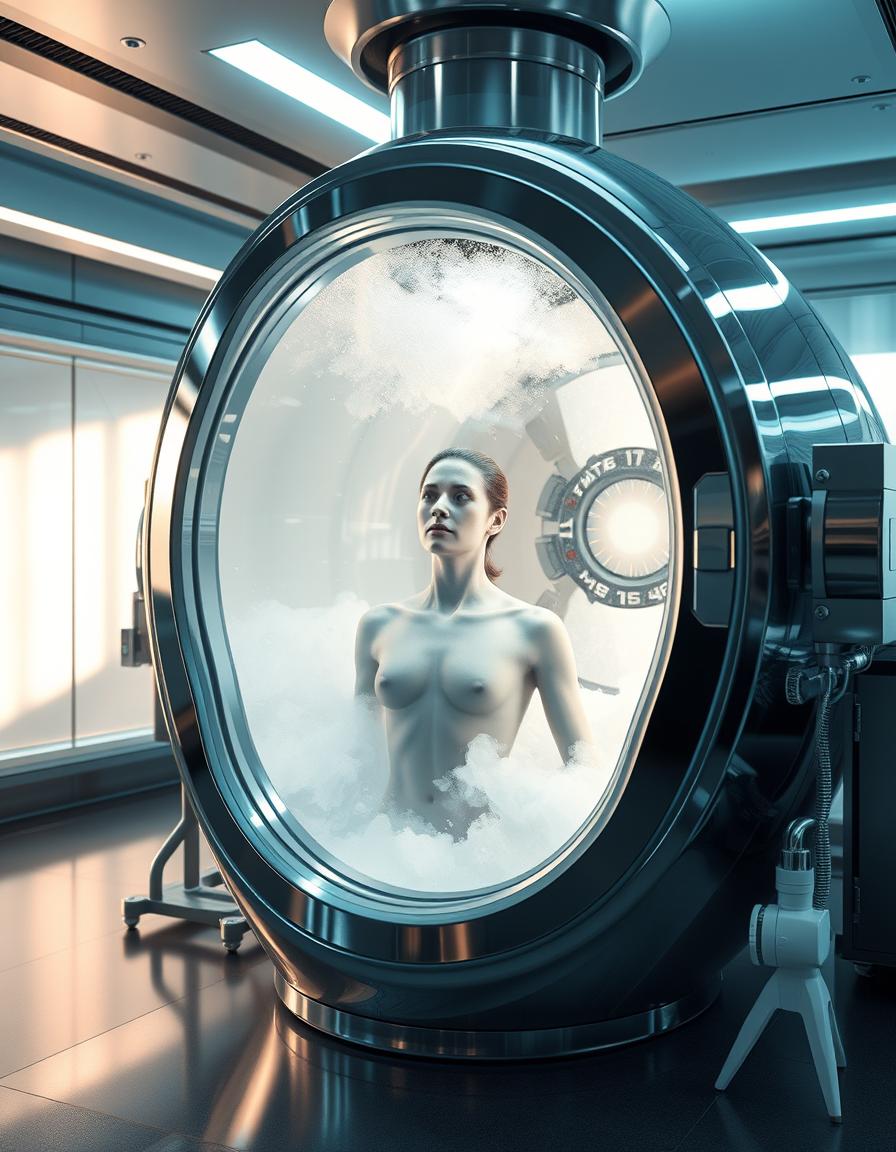
Imagine pausing your life’s clock—freezing time so that aging simply stops. It sounds like something straight out of a sci-fi movie, but with advances in science, the idea of cryosleep aging has captured the imagination of many. Cryosleep, also known as cryogenic sleep, involves cooling the body to extremely low temperatures to slow down biological processes. But could it actually put the brakes on aging, or is this just a futuristic fantasy? Let’s explore what science says about cryosleep and its potential to affect how we age.
What Is Cryosleep?
Cryosleep is the concept of putting someone into a deep sleep by cooling their body, slowing down metabolism and cellular activity dramatically. Think of it like hitting the pause button on life. It’s often featured in science fiction, where astronauts sleep through long space trips. In real life, scientists use similar techniques on cells, tissues, and even organs to preserve them for transplantation.
The key idea is that by reducing the body’s temperature to near freezing, the processes that cause damage and deterioration in cells might slow down or even stop temporarily. For humans, this could theoretically extend the time before age-related diseases strike.
How Does Aging Work?
Aging is a complex process. Our cells accumulate damage over time from free radicals, DNA mutations, and other stressors. This leads to wrinkles, slower healing, and eventually diseases like Alzheimer’s or heart disease. The body’s ability to repair itself diminishes as we grow older.
Here are some factors involved in aging:
- Cellular Damage: Cells get damaged by oxidative stress and lose their ability to function properly.
- Telomere Shortening: Telomeres are caps at the end of chromosomes that shorten each time a cell divides. When they get too short, cells stop dividing.
- Inflammation: Chronic inflammation can wear down tissues.
If cryosleep could slow down these processes, it might delay aging.
What Does Science Say About Cryosleep Aging?
So far, cryosleep aging remains mostly theoretical for humans. While scientists can successfully freeze embryos, sperm, and organs, safely freezing and reviving whole adult humans is far more difficult.
Here are some challenges in applying cryosleep to human aging:
- Ice Crystal Formation: Freezing can cause ice crystals to form inside cells, damaging them beyond repair.
- Rewarming Risks: Thawing the body evenly without causing harm is tricky and has not been perfected.
- Metabolic Effects: Lowering body temperature drastically may have unknown long-term effects on metabolism.
Current studies mostly focus on animals or tissues rather than whole humans. For example, small animals like frogs or turtles naturally slow their metabolism in cold conditions, living longer in the process. However, applying this to humans is a much taller order.
Comparing Natural Hibernation to Cryosleep
Animals like bears hibernate for months, lowering their heart rate and metabolism significantly without dying. This natural slow-down process hints that reducing metabolic rate could potentially delay aging. However, humans don’t hibernate naturally, so mimicking this through cryosleep is still a huge scientific hurdle.
| Aspect | Natural Hibernation | Cryosleep (Theoretical) |
|---|---|---|
| Body Temperature | Drops moderately (to ~5°C) | Drops drastically (to -130°C or lower) |
| Metabolism | Slows by 75-90% | Near complete stop |
| Risk of Cell Damage | Very low (natural mechanisms protect cells) | High (ice crystal formation) |
| Reversibility | Yes, in animals | Not confirmed in humans |
Could Cryosleep Actually Prevent Aging?
While cryosleep might slow down aging at a cellular level by halting metabolism, it’s unlikely to completely prevent aging. Here’s why:
- Cellular Damage May Still Occur: Even in a frozen state, some chemical reactions causing damage might continue, just at a slower rate.
- Revival Damage: The process of thawing out could cause harm that outweighs any benefit gained by cryosleep.
- Biological Complexity: Aging is influenced by many factors beyond metabolism, including genetics and environment.
Right now, cryosleep is better seen as a way to preserve life temporarily rather than a magical fountain of youth.
How Cryosleep Aging Relates to Modern Medicine
Scientists are exploring whether slowing metabolism through cooling could protect organs during surgery or transport. This might reduce damage and improve recovery.
In addition, research on therapies like hypothermia treatment for brain injuries shows that lowering body temperature can reduce damage. But this is short-term, not a permanent freeze on aging.
By the way, if you are concerned about eye health and aging, it’s worth checking out the list of macular degeneration drugs to avoid. Avoiding harmful medications can make a big difference.
The Future of Cryosleep and Aging
Scientists are working on improving cryopreservation techniques by using antifreeze proteins and special chemicals that prevent ice crystal formation. These advances might one day lead to safe human cryosleep.
If successful, cryosleep could:
- Allow long space travel without aging much.
- Preserve people with fatal diseases until cures are found.
- Slow aging in a way we never thought possible.
However, this future requires breakthroughs in biology, medicine, and technology. Until then, the idea of cryosleep aging remains a fascinating possibility instead of a proven solution.
Conclusion
Cryosleep aging offers a captivating vision: freezing the body to pause time and halt aging. While techniques to cool and preserve cells already exist, safely applying this to whole humans is still a work in progress. Biological and technical challenges, like cell damage and revival risks, mean that cryosleep isn’t currently a way to stop aging. Instead, it remains an intriguing idea that pushes science forward.
For now, focusing on healthy habits like good nutrition, exercise, and avoiding harmful substances is the best way to age well. But who knows? Maybe one day, cryosleep will help us take a real break from the clock and enjoy life on pause.

Hey, I’m Zara! I’m all about simple, healthy living and feeling your best every day. On this blog, I share easy wellness tips, real talk about health, and small changes that make a big difference. Let’s keep it real, stay inspired, and feel good, together.