
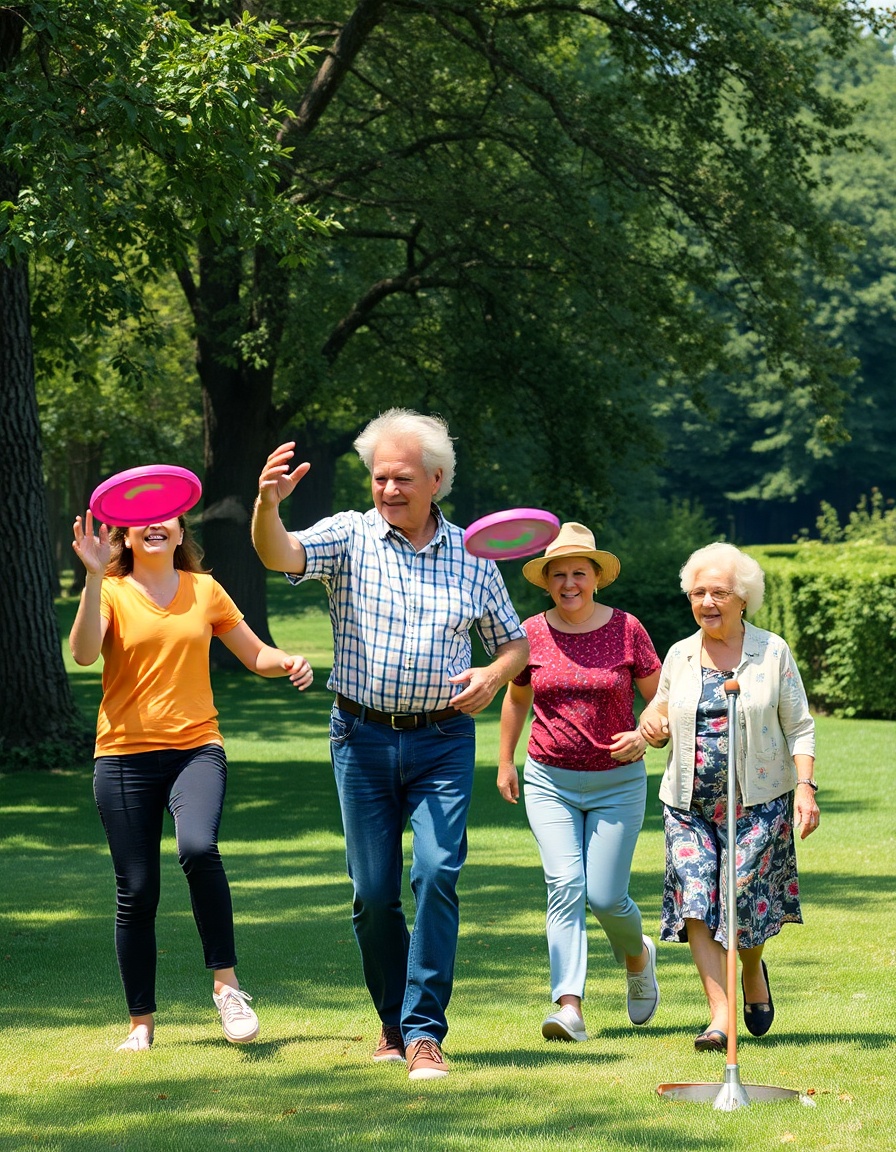
What if you could turn back the clock and feel younger every year? The idea of aging backwards sounds like something out of a sci-fi movie or a fairy tale. Yet, in recent years, many people have become fascinated by this concept. From celebrities claiming to have discovered the fountain of youth to scientists exploring ways to slow down or partially reverse aging, the topic has captured imaginations worldwide. But is aging backwards truly possible, or is it just a trendy buzzword with no real foundation? Let’s explore what this idea really means and whether it could be more than just a dream.
What Does Aging Backwards Really Mean?
When we hear “aging backwards,” most imagine turning back physical signs of aging—wrinkles fading, energy returning, aches disappearing. Essentially, it’s about looking and feeling younger than your actual age. But aging is a complex biological process that affects every cell in our body.
Aging involves gradual changes that lead to the decline of bodily functions. This includes:
- Slower metabolism
- Reduced muscle mass
- Weakened immune system
- Changes in skin elasticity
True aging backwards would mean reversing these processes, restoring cells to a more youthful state. That’s a tall order, but science has made some fascinating strides.
Distinguishing Reversing Aging from Slowing Aging
It’s important to understand the difference between slowing down aging and reversing it. Most current methods focus on decelerating aging by improving lifestyle habits—better diet, exercise, sleep, and stress reduction. These can help you maintain health and vitality longer but don’t necessarily “turn back time.”
Reversing aging suggests that biological markers of age could be rolled backward, effectively making your body younger. While there have been promising experiments in animals, the full reversal of aging in humans remains a challenge.
Science and the Possibility of Aging Backwards
Scientists have discovered several promising areas that hint at the possibility of aging backwards. Let’s look at some fascinating research topics.
Cellular Reprogramming
Cells carry an “epigenetic clock” that tells their biological age. Researchers have found ways to reset this clock through cellular reprogramming. This process involves turning mature cells back into a stem-cell-like state, which can then regenerate healthier cells.
Although still mainly experimental, cellular reprogramming offers hope that we might one day rejuvenate human cells without harmful side effects. Imagine your body refreshing itself like a computer reset—pretty cool, right?
Telomere Extension
Telomeres are protective caps at the ends of chromosomes that shorten as we age. When telomeres get too short, cells stop dividing and start dying. Some scientists are investigating ways to lengthen telomeres, potentially extending cell life and function.
This research is exciting, but it’s tricky. Overextending telomeres may increase the risk of cancer since cell division becomes less controlled. Still, it’s a unique avenue in the fight against aging.
Senescent Cell Clearance
Senescent cells are “retired” cells that no longer work properly and cause inflammation. These cells accumulate with age and contribute to aging symptoms. New drugs called senolytics target these cells, clearing them out to improve tissue health.
Early trials in animals have shown these treatments can extend lifespan and rejuvenate tissues, sparking excitement about their potential in humans.
Practical Ways People Try to Age Backwards Today
While science tackles the big questions, many people try lifestyle changes hoping to look and feel younger—practical steps anyone can take.
Nutrition and Diet
A nutritious diet rich in antioxidants, vitamins, and minerals can help protect cells from damage. People sometimes experiment with practices like intermittent fasting or eating anti-inflammatory foods to boost longevity.
- Fruits and vegetables
- Whole grains
- Healthy fats (like omega-3s)
- Limiting processed sugars
Exercise and Movement
Regular physical activity supports muscle maintenance, cardiovascular health, and mental well-being. Many swear by yoga, Pilates, or swimming to keep their bodies flexible and strong.
Stress Reduction and Sleep
Chronic stress and poor sleep accelerate aging signs. Meditation, deep breathing, and good sleep hygiene are popular tools to reduce stress and repair the body overnight.
Skincare and Cosmetic Options
Topical treatments like retinoids and antioxidants can improve skin appearance. Some turn to cosmetic procedures such as Botox or fillers for a more immediate “aging backwards” effect.
By combining these habits, many people feel more vibrant and youthful without any science-fiction tricks.
The Role of Mindset in Aging
There’s truth in the saying, “You’re only as old as you feel.” A positive mindset, strong social connections, and mental engagement all contribute to better aging outcomes. Laughing often and staying curious are surprisingly powerful ways to keep youthful spirit alive.
Challenges and Limitations
While the idea of aging backwards is appealing, it’s important to stay grounded. Human aging is influenced by genetics, environment, and lifestyle—a complex mix that cannot be flipped like a light switch.
Moreover, many products and treatments promising to reverse aging have little scientific backing or could have unwanted side effects. It’s wise to approach new trends carefully and consult health professionals.
| Common Aging Backwards Approaches | Pros | Cons |
|---|---|---|
| Cellular Reprogramming | Potential to reset biological age | Experimental, safety unknown |
| Telomere Extension | Might improve cell longevity | Possible cancer risk |
| Senolytics | Clear harmful cells | Early-stage research |
| Diet & Exercise | Improves overall health | Does not reverse aging |
| Cosmetic Procedures | Immediate appearance improvement | Temporary, expensive |
For those interested in history and culture, there’s also something charming about looking back in time. For example, if you want to explore how people once nourished themselves, check out these Gilded Age food recipes. It’s a fun way to connect with the past while thinking about how food influences health and aging.
Conclusion
The idea of aging backwards is fascinating and holds some scientific promise, but we are far from finding a magic elixir. Right now, the best way to “turn back time” is through healthy habits, a positive mindset, and staying informed about new research without falling for hype. Aging is a natural part of life, but feeling young at heart and taking care of your body can make every year better than the last. Who knows? Maybe future breakthroughs will let us rewrite the aging story in ways we can only imagine today.

Hey, I’m Zara! I’m all about simple, healthy living and feeling your best every day. On this blog, I share easy wellness tips, real talk about health, and small changes that make a big difference. Let’s keep it real, stay inspired, and feel good, together.