
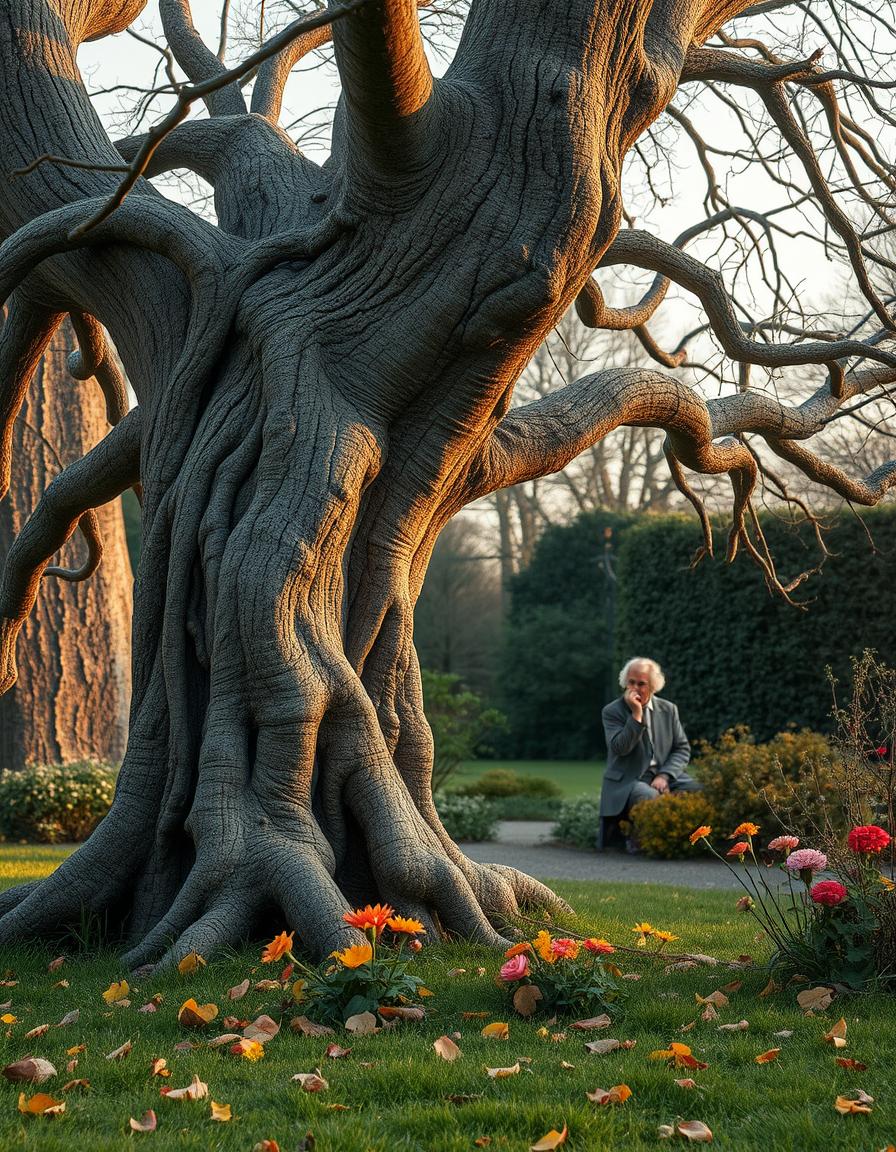
William Shakespeare had a remarkable way with words, especially when it came to describing human life and its many stages. Aging is a theme he explored deeply, often using vivid metaphors that still resonate today. His ability to capture the essence of growing older, with humor, sorrow, and insight, offers a unique window into how people have viewed aging across centuries. Shakespeare aging metaphors bring life to the concept of time passing by, making the abstract feel tangible and relatable.
The Seven Ages of Man: Shakespeare’s Classic Metaphor on Aging
One of Shakespeare’s most famous metaphors about aging appears in his play As You Like It. The “All the world’s a stage” monologue famously breaks down life into seven distinct stages, or “ages.” This metaphor compares life to a theatrical performance where each person plays different roles as they grow older.
| Age | Description | Key Characteristics |
|---|---|---|
| Infant | Beginning of life | Crying, helpless |
| Schoolboy | Early childhood | Reluctant to go to school, innocent |
| Lover | Youthful romance | Passionate, poetic |
| Soldier | Young adult strength | Ambitious, fierce, quick-tempered |
| Justice | Mature adulthood | Wise, confident, serious |
| Old Age | Retirement | Physical decline, storytelling |
| Oblivion | Final stage | Return to nothingness |
This metaphor stands as one of the clearest examples of Shakespeare aging metaphors. It shows life as a journey and reminds us that each phase carries its own challenges and joys. It also teaches us to accept the natural flow of aging, no matter how hard it can be.
Metaphors That Capture the Body’s Changes
Aside from the grand “Seven Ages” image, Shakespeare used many metaphors tied to the body to depict aging. For example, in Sonnet 73, he compares old age to the different times of day and seasons, emphasizing how life winds down like the fading light at sunset or the chilly arrival of winter.
- Twilight of Life: The metaphor of sunset suggests that as we age, our vitality dims, but there is still beauty in the fading light.
- Winter’s Chill: Like winter’s cold, old age can bring hardship and difficulty, but also a time for reflection.
- Burning Fire: Youth is often portrayed as a bright flame, full of energy that burns fiercely before softly dying out.
These images make the abstract notion of aging feel very real. They allow readers to visualize the gradual changes our bodies go through, while also encouraging a poetic acceptance of those changes.
Unique Shakespeare Aging Metaphors in His Plays
Shakespeare didn’t limit his metaphors to just poetry; his plays are full of symbolic expressions about aging. In King Lear, for example, the aging king grapples with the loss of power and respect, reflecting the vulnerability and loneliness that often come with old age. Lear’s descent into madness is tied to his struggle with becoming powerless, showing how aging affects both mind and body.
Similarly, in Macbeth, the phrase “Out, out, brief candle!” refers to the fleeting nature of life, with a candle’s flame symbolizing human existence. This metaphor connects directly to aging by reminding us of how quickly life—and vitality—can burn away.
Why Shakespeare’s Aging Metaphors Still Matter Today
It’s easy to think Shakespeare’s words are old-fashioned, but his metaphors about aging remain meaningful. They help ensure that aging is seen as a natural, universal part of life instead of something frightening or shameful. By shaping how people perceive growing older, Shakespeare’s metaphors gently encourage us to embrace every stage with dignity and humor.
Here’s why these metaphors still resonate:
- They normalize aging: Shakespeare shows that everyone ages and that each phase has value.
- They provide wisdom: His words offer insights into the emotional and physical changes we all experience.
- They encourage reflection: The metaphors inspire people to think about their lives and cherish moments.
Whether you’re reading a play or a sonnet, these images offer comfort and perspective. They remind us that growing old is a shared journey with ups and downs, but one rich with meaning.
A Lighthearted Look: Humor in Shakespeare Aging Metaphors
Not all Shakespeare aging metaphors are somber. Some are playful or ironic. For instance, in Twelfth Night, the character Sir Toby jokes about old age and the challenges it brings. This reminds us that laughter is a powerful tool to cope with the passage of time, a lesson as important now as it was then.
If you’re curious about nutrition and aging, you might want to explore whether common foods have hidden effects on us. For example, the question is mayonnaise bad for you pops up often in conversations about healthy aging, illustrating how concerns about diet and well-being connect to the aging process we all face.
Conclusion
Shakespeare’s use of metaphors to explore aging opens a window into our own experiences with growing older. His vivid images—from the stages of life on a stage to the fading flames of a candle—make the journey of aging more understandable and less intimidating. These metaphors invite us to reflect, laugh, and accept each age with grace.
By learning from Shakespeare aging metaphors, we gain a timeless perspective that encourages us to see aging as a natural, even beautiful, part of life. Whether we are in the “lover” stage or facing winter’s chill, Shakespeare’s words remind us that life’s changes are the threads that weave our unique stories.

Hey, I’m Zara! I’m all about simple, healthy living and feeling your best every day. On this blog, I share easy wellness tips, real talk about health, and small changes that make a big difference. Let’s keep it real, stay inspired, and feel good, together.