
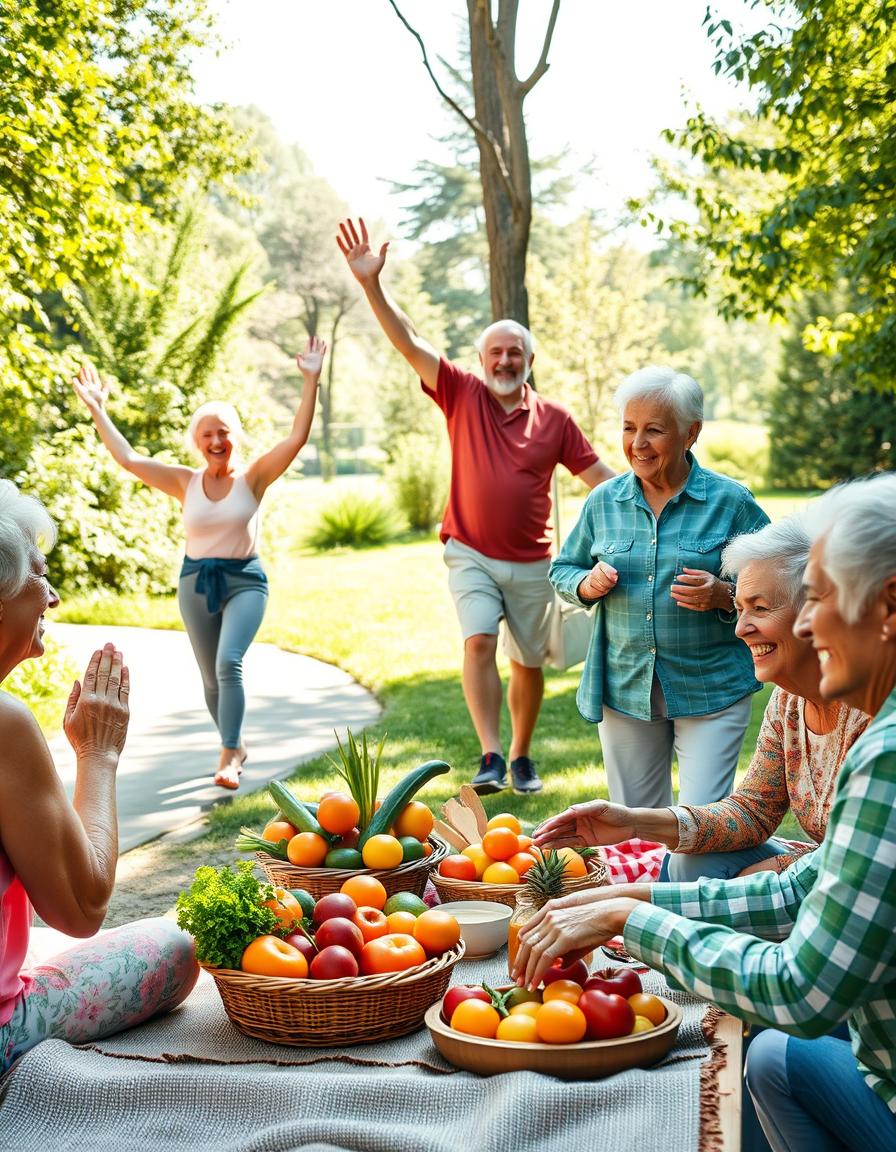
Aging is a natural part of life, but how we age can look very different from person to person. Some people stay active, sharp, and healthy well into their 80s or 90s, while others might struggle with health problems earlier on. This raises an interesting question: what do we really know about healthy aging today? With so much advice out there—from diet tips to exercise routines—it can feel like a maze. The good news is that science and experience give us clear clues on how to age gracefully and maintain a high quality of life. Let’s unpack what truly matters for healthy aging.
Understanding Healthy Aging
Healthy aging means maintaining your physical, mental, and social well-being as you grow older. It doesn’t mean living forever or avoiding every illness, but rather living with the best possible health for your age. Think of it as keeping your engine running smoothly for a longer time. Healthy aging involves habits and lifestyle choices that can slow down the effects of time and improve how you feel every day.
What Influences Healthy Aging?
Many factors come into play when it comes to healthy aging. Some are out of our control, such as genetics or family health history. However, most lifestyle choices have a big impact and are within our reach. Here’s a simple breakdown:
- Genetics: Your genes provide a starting point but don’t determine everything.
- Lifestyle: Diet, exercise, sleep, and stress management all play huge roles.
- Environment: Where you live and your social connections influence your health.
- Healthcare Access: Regular checkups and preventive care help catch problems early.
The Cornerstones of Healthy Aging
Nutrition: Feeding Your Body Right
“You are what you eat” might sound like an old phrase, but it really holds water when it comes to aging well. A balanced diet rich in fruits, vegetables, whole grains, and lean proteins helps keep your brain sharp and your muscles strong. Antioxidants found in berries and nuts fight inflammation, while omega-3 fatty acids from fish support heart and brain health.
Speaking of snacks, choosing the right ones can make a big difference. For example, trader Joe’s healthy snacks offer tasty, wholesome options that fit perfectly into a healthy aging diet. They make it easier to pick something nutritious when hunger strikes between meals.
Exercise: Move It or Lose It
Physical activity is a superstar for healthy aging. Regular exercise helps maintain muscle mass, keeps bones strong, and improves balance—reducing the risk of falls. Plus, it’s a mood booster and can even sharpen your memory. The best part? It doesn’t have to mean marathons or heavy lifting. Activities like walking, yoga, and even gardening count as exercise.
| Type of Exercise | Benefits for Healthy Aging | Examples |
|---|---|---|
| Cardiovascular | Improves heart health and stamina | Brisk walking, cycling, swimming |
| Strength Training | Preserves muscle mass and bone density | Weight lifting, resistance bands |
| Flexibility | Maintains range of motion and reduces stiffness | Yoga, stretching exercises |
| Balance | Prevents falls and improves coordination | Tai chi, standing on one leg |
Mental Health and Social Connections
Healthy aging isn’t just about the body—it’s about the mind and heart, too. Staying socially active and mentally engaged can help prevent loneliness and cognitive decline. Simple activities like chatting with friends, joining clubs, or learning a new hobby keep your brain firing on all cylinders. Even laughing at a good joke or sharing funny stories counts!
Stress, on the other hand, tends to speed up aging. Finding ways to relax, whether through meditation, deep breathing, or just spending time in nature, can make a world of difference.
Common Myths About Healthy Aging
When it comes to aging, there are plenty of myths floating around. Let’s bust a few:
- Myth: Aging means inevitable decline.
- Reality: While some decline is natural, healthy habits can delay or reduce it significantly.
- Myth: You can’t teach an old dog new tricks.
- Reality: The brain remains adaptable; learning new skills benefits people at any age.
- Myth: Supplements can replace a healthy diet.
- Reality: Supplements may help but don’t replace balanced eating and lifestyle choices.
Tips to Promote Healthy Aging Every Day
Here are some friendly, practical tips you can start trying to support your well-being as the years go by:
- Eat a rainbow of fruits and vegetables daily to get a wide range of nutrients.
- Make physical activity part of your routine, aiming for at least 30 minutes most days.
- Stay socially connected—call a friend or join a group that interests you.
- Keep your mind busy with puzzles, reading, or learning something new.
- Prioritize sleep, aiming for 7–8 hours each night.
- Manage stress by practicing relaxation techniques or spending time outdoors.
- Schedule regular health screenings and follow your doctor’s advice.
The Future of Healthy Aging
Science is constantly uncovering new ways to understand aging and improve life quality. Advances in technology, such as wearables that track vital signs or apps for brain training, make it easier than ever to keep tabs on health. Researchers are exploring how nutrition, exercise, and even social factors interact to affect aging. While we still have much to learn, the key takeaway is that healthy aging is very much within reach for everyone willing to put in small daily efforts.
Conclusion
Healthy aging is less about avoiding the “getting older” part and more about embracing it with good habits that keep body and mind in good shape. By focusing on balanced nutrition, regular physical activity, mental engagement, and strong social ties, you can give yourself the best shot at a vibrant, fulfilling life. Remember, a small change today can lead to healthier tomorrows. So, whether you’re stocking up on trader Joe’s healthy snacks or going for a walk with a friend, you’re investing in your future self. Aging gracefully isn’t a mystery—it’s a journey full of choices, and you’ve got the keys.

Hey, I’m Zara! I’m all about simple, healthy living and feeling your best every day. On this blog, I share easy wellness tips, real talk about health, and small changes that make a big difference. Let’s keep it real, stay inspired, and feel good, together.