

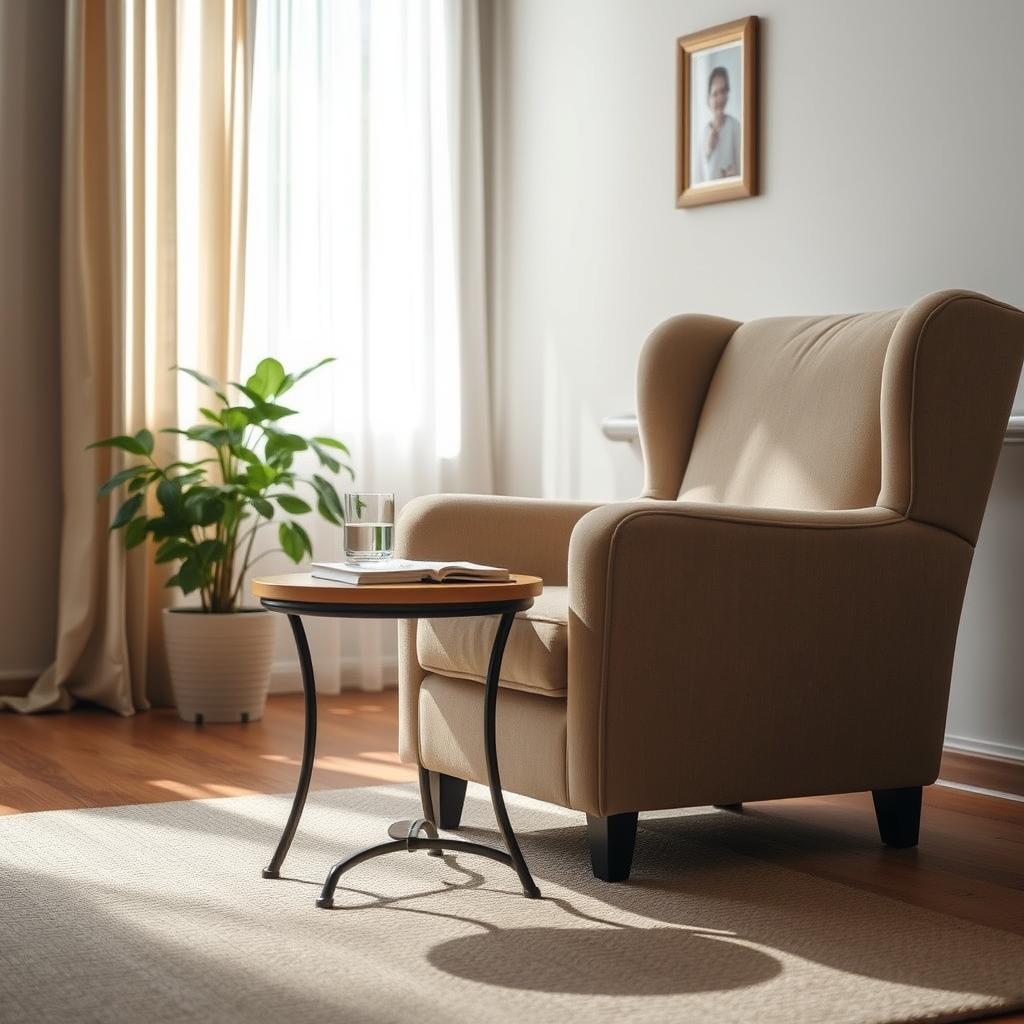
Staying independent and safe in your own home is a goal for many older adults. As we age, however, the risk of a fall can increase, turning familiar surroundings into a source of potential danger. The good news is that with some thoughtful changes, a home can be transformed into a much safer space. Implementing a plan for fall prevention home modifications for seniors is one of the most effective ways to reduce risk, enhance confidence, and support long term independence. These adjustments range from simple, no cost fixes to more involved installations, but all share a common goal: creating a secure environment to live a full life.
Why Fall Prevention in the Home is Crucial for Seniors
The numbers surrounding senior falls are sobering. According to the Centers for Disease Control and Prevention (CDC), falls are the leading cause of injury related death among adults aged 65 and older. Millions of older adults experience a fall each year, often leading to serious injuries like broken bones or head trauma. Beyond the physical impact, a fall can significantly affect a person’s confidence and mobility, sometimes leading to a fear of falling that causes them to limit their activities.
The vast majority of these falls happen at home, a place that should feel like a sanctuary. This is precisely why focusing on fall prevention home modifications for seniors is so important. By identifying and addressing potential hazards within the living space, you can dramatically lower the chances of a fall occurring. It’s a proactive approach that empowers seniors and gives families peace of mind.
Start with a Home Safety Walk Through
Before making any changes, the first step is to assess the home from a safety perspective. Grab a notepad and walk through every room, looking for potential hazards. It can be helpful to do this with a family member or friend to get a second opinion. Pay close attention to areas with high foot traffic and tasks that require balance and mobility.
Your Walk Through Checklist:
- Are there clear, wide pathways through every room?
- Is there adequate lighting, especially in hallways, on stairs, and at night?
- Are there throw rugs or loose carpets that could cause a trip?
- Are electrical cords or oxygen tubing running across walkways?
- Is it difficult to get in and out of the shower, tub, or bed?
- Are frequently used items stored in hard to reach places, requiring a step stool?
This simple evaluation will help you prioritize which fall prevention home modifications for seniors are most urgently needed for your specific situation.
Room by Room Guide to Fall Prevention Home Modifications for Seniors
Tackling home modifications can feel like a big project, but breaking it down by room makes it much more manageable. Some areas of the home present a higher risk than others, so it’s wise to start with the most critical zones first. This guide provides a clear roadmap for essential fall prevention home modifications for seniors.
The Bathroom: The High Risk Zone
With its combination of hard surfaces and water, the bathroom is one of the most common places for falls to occur. Prioritizing safety here is non negotiable.
- Install Grab Bars: This is the single most important modification. Install sturdy grab bars next to the toilet and inside and outside the shower or tub. Do not use suction cup bars, which can fail unexpectedly. Towel racks are not designed to support a person’s weight.
- Use Non Slip Surfaces: Place a non slip mat or apply adhesive safety strips inside the bathtub or shower. Use a non skid bath mat on the floor outside the tub for secure footing.
- Improve Seating: A sturdy shower chair or a transfer bench allows for safe, seated bathing. For the toilet, a raised toilet seat or a toilet frame with arms can make sitting down and standing up much easier.
- Upgrade the Shower Head: A handheld shower head reduces the need to move around while washing, which helps with balance.
Stairways and Hallways: Clearing the Path
Stairs are an obvious fall risk, but poorly lit and cluttered hallways can be just as dangerous. The goal is to create a bright, clear, and supportive path from one room to another.
- Secure Handrails: Stairs should have sturdy handrails on both sides, extending the full length of the staircase. Check them regularly to make sure they are not loose.
- Improve Lighting: Proper lighting is a key component of fall prevention home modifications for seniors. Install bright lights at the top and bottom of the stairs, with switches in both locations. Use nightlights in hallways and on the path to the bathroom.
- Ensure Clear Steps: Remove all clutter from the stairs. If the steps are not carpeted, consider adding non slip treads. A strip of brightly colored tape on the edge of each step can also improve visibility.
The Bedroom: A Safe Space for Rest
Falls often happen at night when a person is tired, disoriented, or rushing to the bathroom. Making the bedroom safer is a critical part of any plan for fall prevention home modifications for seniors.
- Create a Clear Path: Arrange furniture to provide a direct and unobstructed path from the bed to the doorway.
- Provide Easy to Reach Lighting: Place a lamp and a phone on a stable nightstand within easy reach of the bed. A clapper or voice activated lamp can also be a great addition.
- Check Bed Height: The bed should be at a height where the senior can sit on the edge with their feet flat on the floor. If it’s too high or too low, it can be difficult to get in and out of safely.
- Remove Hazards: Get rid of any throw rugs and make sure all cords are tucked away from walking paths.
The Kitchen: Preventing Slips and Reaching with Ease
The kitchen is a hub of activity, but it also presents risks from spills and the need to reach for items. Simple organizational changes can make a big impact.
- Organize for Accessibility: Move frequently used items like dishes, glasses, and common food items to lower shelves and cabinets that are easy to reach without stretching or using a step stool.
- Use a Proper Step Stool: If a step stool is necessary, make sure it’s a sturdy one with a wide base and a handrail for support. Never use a chair as a step stool.
- Clean Spills Immediately: Water, grease, or food on the floor can create a serious slipping hazard. Keep paper towels or a mop handy to clean up messes right away.
- Consider Flooring: A non glare, slip resistant floor surface is ideal for the kitchen. Many fall prevention home modifications for seniors focus on what is underfoot.
Living Areas: Creating an Obstacle Free Environment
Living rooms and dens should be comfortable and easy to move around in. The main focus here is on removing tripping hazards and improving furniture accessibility.
- Manage Rugs and Cords: Remove throw rugs entirely. If you have area rugs, secure all edges with double sided carpet tape to prevent them from bunching up. Run all electrical and phone cords along the walls, not across walkways.
- Arrange Furniture Wisely: Create wide, clear pathways between furniture. Avoid placing coffee tables too close to sofas or chairs.
- Choose Supportive Seating: Ensure chairs and sofas are firm and at a proper height. Low, soft seating can be very difficult for an older adult to stand up from.
General Home Modifications for Enhanced Safety
Beyond specific rooms, some fall prevention home modifications for seniors apply to the entire house and can significantly improve overall safety.
Lighting Throughout the Home
As we age, our eyes need more light to see clearly. Poor lighting can hide tripping hazards. Go through the entire home and increase the wattage of bulbs in all fixtures (while staying within the fixture’s safety rating). A mix of overhead lighting and task lighting (like reading lamps) works best. Motion activated or light sensing nightlights are excellent additions to hallways and bathrooms.
Flooring and Rugs
The safest flooring options are low pile carpets or smooth, non slip surfaces like cork or rubber. High pile carpets can be difficult to walk on, especially with a walker. As mentioned, throw rugs are a major hazard and should be removed. If an area rug must be used, it needs to be securely taped down on all sides. Effective fall prevention home modifications for seniors often start from the ground up.
Assistive Technology and Devices
Modern technology offers many tools to enhance safety at home. A medical alert system with automatic fall detection can provide immense peace of mind, ensuring that help is called even if the person is unable to press a button. Other helpful devices include automatic pill dispensers to manage medications and smart home devices to control lights with voice commands.
Paying for Fall Prevention Home Modifications for Seniors
The cost of modifications can vary widely. While some changes are free, others, like installing a stairlift, can be a significant investment. Fortunately, there may be resources available to help.
| Resource | What It Might Cover |
|---|---|
| Medicare | Original Medicare generally does not pay for home modifications. However, Medicare Part B may cover some “durable medical equipment” (DME) like walkers, commode chairs, or hospital beds if a doctor prescribes it as medically necessary. |
| Medicare Advantage (Part C) | Some of these private plans offer supplemental benefits that may include bathroom safety devices or other minor modifications. Coverage varies greatly by plan. |
| Medicaid | Many states have Home and Community Based Services (HCBS) waivers that can help pay for modifications to allow individuals to remain in their homes. Eligibility and coverage are state specific. |
| U.S. Department of Veterans Affairs (VA) | The VA offers several grants for disabled veterans, such as the Home Improvements and Structural Alterations (HISA) grant, which can be used for medically necessary modifications. |
| Area Agencies on Aging (AAA) | Your local AAA is an excellent resource for information on local non profits or community programs that may offer grants or low cost labor for senior home modifications. |
Frequently Asked Questions
What is the most important home modification to prevent falls?
While every home is different, safety experts almost universally agree that bathroom modifications are the most critical. Installing properly mounted grab bars in the shower and next to the toilet is arguably the single most effective change you can make, as the bathroom is where a high percentage of serious falls occur.
Are fall prevention home modifications for seniors expensive?
They don’t have to be. Many of the most impactful changes are low cost or free. Removing clutter, securing rugs, improving lighting with brighter bulbs, and rearranging furniture cost little to nothing. Larger projects like installing a walk in shower or a stairlift are more expensive, but you can achieve a much safer home by starting with the basics.
Can I do these modifications myself?
Many modifications, such as removing rugs, changing lightbulbs, and reorganizing shelves, are simple DIY projects. However, for anything that requires proper installation to support a person’s weight, like grab bars or handrails, it is highly recommended to hire a qualified professional. Improper installation can create a false sense of security and be more dangerous than having nothing at all.
Conclusion
Creating a safe home environment is a foundational element of healthy aging. By taking a systematic approach and focusing on key risk areas, you can make a profound difference in safety and quality of life. The process begins with a simple walk through to identify hazards and then moves to implementing practical solutions room by room. Investing time and effort into fall prevention home modifications for seniors is an investment in independence, security, and well being for years to come.
