
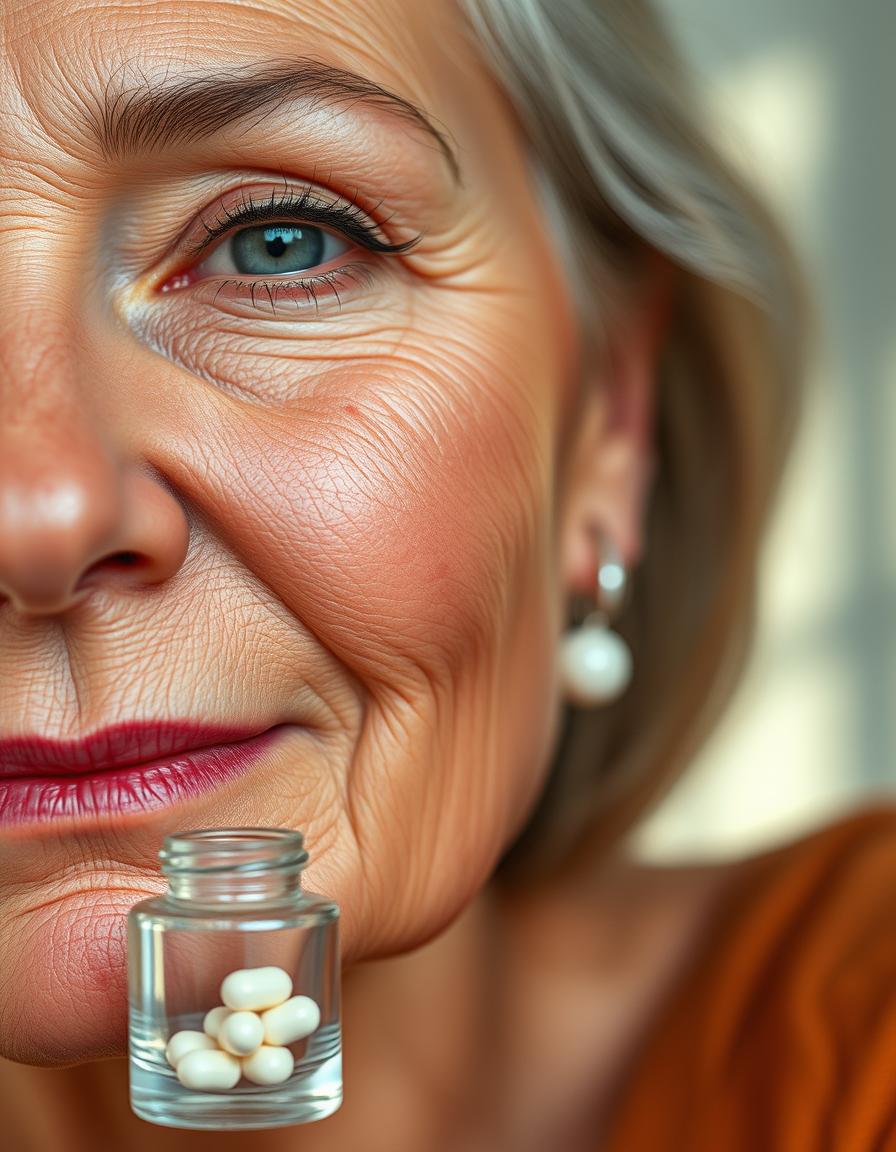
Aging skin often carries the marks of time through wrinkles, dryness, and sagging. Many people wonder if collagen supplements can really make a difference in maintaining youthful skin as they grow older. Collagen, a protein that forms a big part of our skin’s structure, naturally decreases with age, leading to those tell-tale signs of aging. But can taking collagen supplements actually help turn back the clock? Let’s explore what science says about collagen aging skin and whether adding these supplements to your routine is worth considering.
What Is Collagen and Why Does It Matter?
Collagen is like the glue that holds your skin together. It provides structure, strength, and elasticity, making skin look smooth and plump. Imagine collagen as tiny scaffolds beneath the surface of your skin, supporting it much like beams support a building. As we age, these scaffolds weaken and break down, leading to wrinkles and sagging.
Several types of collagen exist, but types I, II, and III are the most common in skin. Your body produces less collagen as you get older, and factors such as sun exposure, smoking, and poor diet speed up this reduction. This decline is a big reason why aging skin changes texture and firmness.
Signs of Collagen Loss in Aging Skin
- Fine lines and wrinkles
- Dryness and rough texture
- Loss of skin elasticity
- Thinning skin and sagging
Because collagen decreases naturally, many look to supplements as a way to give their skin a little extra help.
How Do Collagen Supplements Work?
Collagen supplements usually come in the form of powders, pills, or drinks containing hydrolyzed collagen peptides. These peptides are smaller protein pieces broken down from collagen so the body can absorb them better. But here’s the big question: Do these supplements actually reach your skin and rebuild collagen fibers?
When you consume collagen supplements, your digestive system breaks them into amino acids. Your body then uses these building blocks wherever they are needed, including skin, joints, and bones. That means collagen supplements don’t automatically turn into skin collagen, but they provide the raw materials your body might be missing.
Scientific Findings on Collagen Supplementation
| Study | Participants | Duration | Results |
|---|---|---|---|
| Proksch et al. (2014) | 69 women, ages 35-55 | 8 weeks | Improved skin hydration and elasticity |
| Choi et al. (2019) | 114 women, ages 40-60 | 12 weeks | Reduced wrinkle depth and increased collagen density |
| Borumand & Sibilla (2015) | 26 healthy adults | 60 days | Increased skin elasticity and moisture levels |
These studies suggest that taking collagen supplements may improve skin elasticity and moisture, reducing the appearance of wrinkles. However, results can vary from person to person.
Factors That Influence Collagen Supplement Effectiveness
Taking collagen isn’t a magic bullet. Several things affect how well supplements work for collagen aging skin:
- Dosage: Most studies use doses between 2.5 to 10 grams daily.
- Form: Hydrolyzed collagen peptides are easier for the body to absorb.
- Lifestyle: Smoking, sun exposure, and poor nutrition can reduce collagen production despite supplementation.
- Skin health: Individual skin type and genetics also play a role in how noticeable results are.
Ensuring you protect your skin from harmful UV rays and eat a balanced diet rich in vitamin C can boost natural collagen production even more.
Other Ways to Support Collagen and Healthy Skin
Collagen supplements can be part of a good skin care routine—but don’t forget these other tips:
- Sun protection: Use sunscreen daily to prevent collagen breakdown.
- Moisturize: Hydrated skin appears plumper and can support collagen health.
- Healthy diet: Eat foods rich in antioxidants and vitamin C, such as berries, citrus fruits, and leafy greens.
- Avoid smoking: Smoking reduces collagen production and damages skin.
- Exercise: Regular movement improves circulation and skin health. For those interested in combining skin health with fitness, low volume high frequency training can be an effective approach to maintain vitality.
Possible Side Effects and Considerations
Collagen supplements are generally safe for most people. Mild side effects might include digestive discomfort or a lingering taste. Since collagen is animal-derived in many products, vegetarians and vegans should look for plant-based or marine options.
Always check with your healthcare provider before starting any new supplement, especially if you have allergies or health conditions.
Collagen Supplement Myths
- Myth: Collagen supplements directly add collagen to your skin.
Reality: They provide amino acids that your body uses where needed. - Myth: More collagen means instantly younger-looking skin.
Reality: Effects take weeks to months and depend on other lifestyle factors. - Myth: Only collagen supplements can improve skin.
Reality: Protecting skin from sun damage and a healthy diet are crucial.
Conclusion
Collagen supplements have become a popular choice to support aging skin, and research shows they may help improve skin elasticity, hydration, and reduce wrinkles. While they won’t work overnight, regularly taking collagen peptides along with a healthy lifestyle can lend your skin some much-needed support as you age. Remember, collagen aging skin is influenced by many factors like sun exposure, nutrition, and genetics, so supplements are just one piece of the puzzle.
Choosing a good quality collagen supplement and protecting your skin in other ways can help you maintain a youthful glow. So, if you’re curious about collagen supplements, they’re worth trying—but don’t forget to enjoy the journey with a bit of humor and patience. After all, aging gracefully is its own kind of beautiful.

Hey, I’m Zara! I’m all about simple, healthy living and feeling your best every day. On this blog, I share easy wellness tips, real talk about health, and small changes that make a big difference. Let’s keep it real, stay inspired, and feel good, together.