

Vitamin C is a powerhouse ingredient in skincare, lauded for its ability to brighten skin, reduce the appearance of dark spots, and defend against environmental damage. But for those with sensitive skin, incorporating this potent antioxidant can sometimes feel like navigating a minefield. Choosing the right serum for sensitive skin isn’t just about avoiding irritation it’s about unlocking Vitamin C’s full benefits while ensuring your skin stays calm, hydrated, and happy.
What Should You Look for?
- Gentle formulations: Opt for serums with lower concentrations of Vitamin C (such as 10-15%) to minimize irritation.
- Hydrating additions: Seek products infused with ingredients like hyaluronic acid or glycerin to counteract dryness.
- Balanced pH levels: Choose serums with a pH close to your skin’s natural level (around 5-6) for compatibility.
- Fragrance-free options: Look for formulations free of synthetic fragrances to reduce the risk of flare-ups.
Wondering how to make Vitamin C work in your routine? A simple tip is to mix the serum with your moisturizer before application for a gentle introduction to this skin-enhancing ingredient. By tailoring your choice of serum to your skin needs, you’re not just avoiding irritation you’re giving your sensitive skin the care it deserves.
Why Sensitive Skin Needs Special Care
For those with sensitive skin, navigating the world of Vitamin C serums can feel like a minefield. But when chosen and applied correctly, these serums can transform your skincare routine by brightening dull skin, fading dark spots, and boosting collagen production. Sensitive skin, however, often requires gentler formulations to unlock these benefits without irritation. Let’s explore why tailoring Vitamin C concentrations and ingredients is essential.
Vitamin C is renowned for its antioxidant properties, but joining this skincare powerhouse isn’t a one-size-fits-all game. For sensitive skin, lower concentrations around 5–10% are usually ideal, as they provide all the good stuff like fighting free radicals and minimizing environmental damage without overwhelming your skin barrier. On the other hand, more potent 20% solutions might work better for less reactive skin types looking for faster changes.
So how do you choose the right match? If you’re new to using active skincare ingredients, focusing on a gentle skincare routine for beginners is vital to avoid irritation and ensure your skin adapts properly. Here’s a helpful guideline for sensitive skin enthusiasts:
- Start low: Opt for serums with 5–10% Vitamin C to ease into its benefits.
- Mix strategically: Buffer Vitamin C with moisturizers or soothing ingredients like hyaluronic acid to minimize redness.
- Check the label: Look for products free of fragrances and alcohols, as these can trigger irritation.
Still puzzled about what strength or formulation might be best? Compare these essential factors to make the right pick:
| Vitamin C Strength | Benefits | Best For |
|---|---|---|
| 5–10% | Gentle brightening, antioxidants | Sensitive or dry skin |
| 15% | Enhanced dark spot reduction | Normal to combination skin |
| 20% | Maximized collagen boost | Oily or resilient skin types |
Choosing the right serum doesn’t have to be complicated. With proper consideration for your skin’s tolerance and outlined benefits, sensitive skin owners can achieve radiant, healthier-looking skin without sacrificing comfort.
Benefits of Vitamin C for Skin Health
When it comes to skincare, Vitamin C isn’t just a trend it’s a powerhouse ingredient with proven benefits. Are you dealing with dull skin, dark spots, or pesky acne scars? You’re not alone, and Vitamin C serums may be the key to transforming your routine. Here’s why this multitasking wonder is worth the hype.
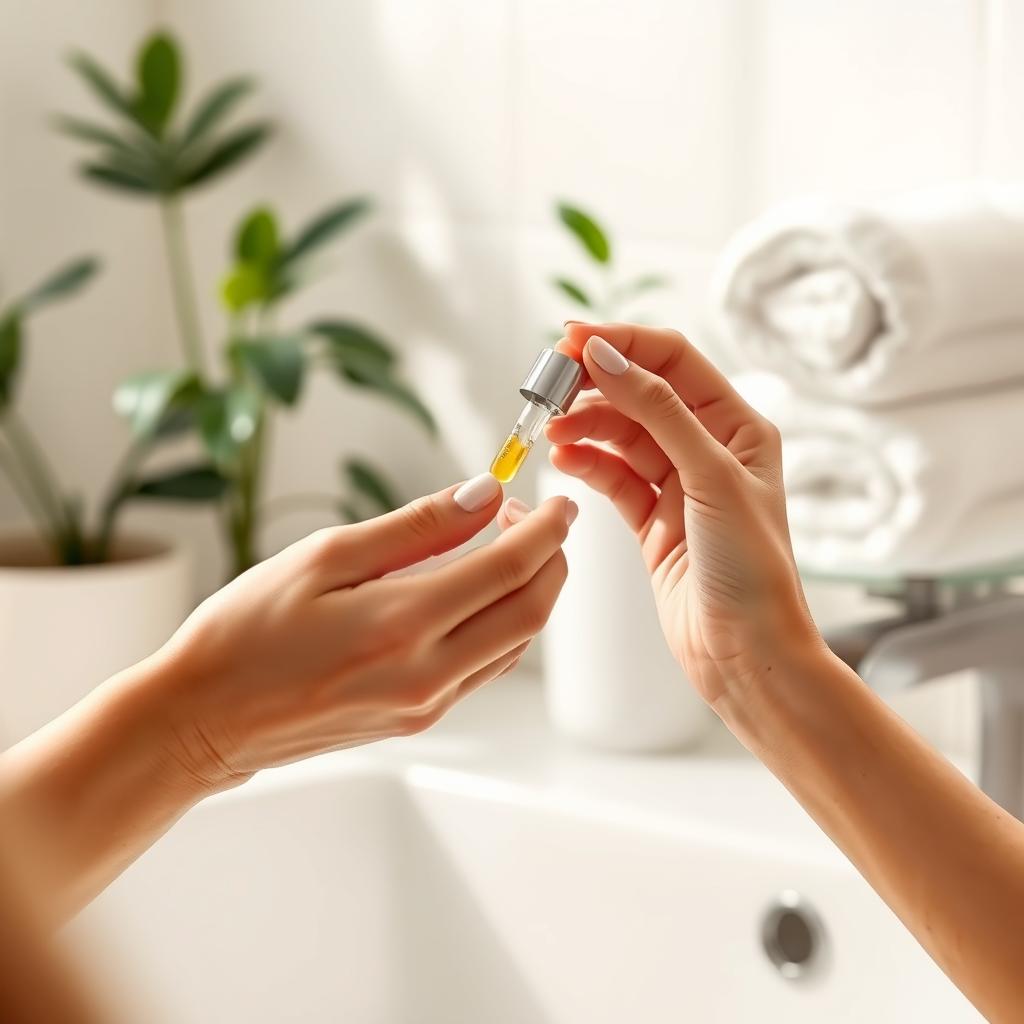
Brighten and Revitalize Dull Skin
One of Vitamin C’s standout qualities is its ability to brighten the complexion. Packed with antioxidant properties, it combats oxidative stress caused by environmental damage, helping your skin regain its glow. Imagine waking up to radiant skin that looks and feels revitalized sounds like a dream, doesn’t it?
Fade Dark Spots and Acne Scars
If dark spots, uneven pigmentation, or lingering acne scars have you feeling less confident, a Vitamin C serum might be the solution. By inhibiting melanin production, Vitamin C helps fade stubborn discoloration over time, revealing smoother, more even skin. And for those with sensitive skin, gentle formulations (think 5–10% concentration) provide results without irritation.
Boost Collagen Production
Collagen is key to maintaining plump, youthful skin, yet our natural levels decline as we age. Vitamin C steps in to stimulate collagen synthesis, improving elasticity and reducing fine lines. Pair it with ingredients like hyaluronic acid, and you’ve got a recipe for skin that looks hydrated and firm.
Fight Free Radicals and Protect Against Damage
Did you know that environmental factors like pollution and UV exposure accelerate aging? Vitamin C acts as a shield by neutralizing free radicals and reducing damage. It not only preserves your skin but supports its natural barrier, keeping it resilient and healthy.
Choosing the Right Serum Strength
For sensitive skin, finding the perfect Vitamin C serum can be tricky but rewarding. Lower concentrations, such as 5–10%, are ideal for avoiding irritation while still harnessing antioxidant benefits. If your skin is more resilient, you can opt for formulations with up to 20% strength for a more potent boost.
- Brightens dull skin by reducing oxidative stress.
- Fades dark spots and acne scars for a more even complexion.
- Stimulates collagen production to minimize fine lines.
- Neutralizes free radicals and environmental damage.
- Gentle formulations available for sensitive skin.
With all these benefits, it’s no surprise that Vitamin C often features in expert tips on how to look younger. The right serum can help you achieve radiant, resilient skin without sacrificing comfort, making it a must-have addition to your skincare arsenal.
Key Ingredients to Look for in a Vitamin C Serum for Sensitive Skin
If you have sensitive skin, choosing the right Vitamin C serum can feel like a balancing act powerful enough to deliver results, yet gentle enough to avoid irritation. Don’t worry, though with the right formula, you can enjoy the brightening and antioxidant benefits of Vitamin C without unsettling your skin. Here’s what to look for in your perfect serum:
- Ascorbic Acid: Opt for a lower concentration (around 5–10%) to reduce the risk of irritation while still reaping significant skin benefits.
- Sodium Ascorbyl Phosphate: A gentler derivative of Vitamin C that’s ideal for sensitive skin. It’s also stable, which means it’s less likely to degrade over time.
- Hyaluronic Acid: You want hydration, right? Hyaluronic acid is a star ingredient for sensitive skin it locks in moisture, soothing dryness and reducing the appearance of fine lines.
- Niacinamide: If tolerated, this calming powerhouse can help reduce redness and strengthen the skin barrier, making it an excellent partner for Vitamin C.
- Ferulic Acid & Vitamin E: These work together with Vitamin C to stabilize the formula and amplify antioxidant protection, minimizing the effects of sun damage and pollution.
- Soothing Botanicals: Look for aloe vera, green tea extract, and chamomile to ensure your serum calms your skin while delivering results.
Still unsure which ingredients to prioritize? Use the cheat sheet below to help guide your search:
| Ingredient | Benefit for Sensitive Skin | Recommended Concentration |
|---|---|---|
| Ascorbic Acid | Brightens skin and reduces dark spots | 5–10% |
| Sodium Ascorbyl Phosphate | Gentler form of Vitamin C, with antioxidant benefits | Up to 20% |
| Hyaluronic Acid | Hydrates and boosts skin elasticity | 1–2% |
| Niacinamide | Calms redness and strengthens the skin barrier | 2–5% |
| Ferulic Acid & Vitamin E | Stabilizes Vitamin C and enhances protection against free radicals | Paired as supporting ingredients |
| Aloe Vera, Chamomile, Green Tea Extract | Soothes irritation and calms skin | Typically included as secondary ingredients |
Remember, no formula is one-size-fits-all. Your skin may respond differently, so feel free to experiment but always patch-test first!
Ingredients to Avoid in a Vitamin C Serum for Sensitive Skin
If you have sensitive skin, picking the right Vitamin C serum can feel daunting. While Vitamin C is a skincare superstar, certain ingredients in some formulations can trigger irritation or dryness. Let’s break down what to watch out for to keep your skin calm and happy.
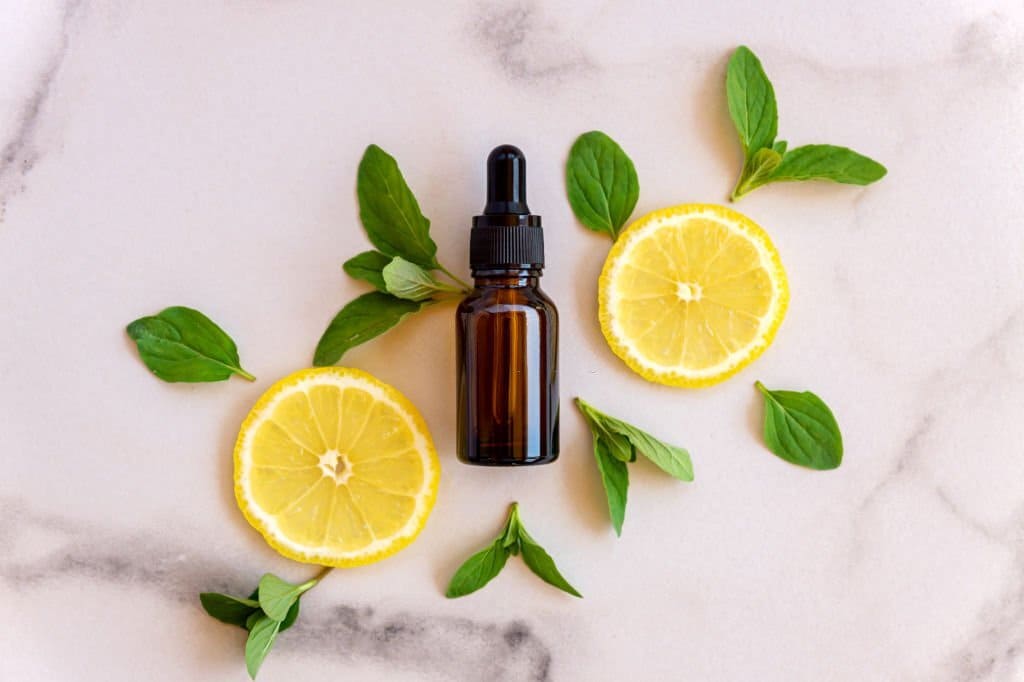
- High concentrations of Vitamin C: While more might seem better, serums with Vitamin C levels exceeding 15–20% can overwhelm sensitive skin, leading to redness or tightness. Opt for lower concentrations or products specifically labeled for sensitive skin.
- Alcohol-based formulas: Alcohol is often used to help serums feel lightweight and absorb quickly, but it can strip your skin’s natural moisture barrier. This is especially problematic for those with dryness or sensitivity.
- Fragrance or parfum: Many skincare products sneak in synthetic fragrances, but these often spell trouble for sensitive skin. Look for serums labeled “fragrance-free” to minimize the risk of irritation.
- Essential oils: While they sound natural and harmless, essential oils like citrus or lavender can be potent irritants for vulnerable skin types. Skip formulations with these ingredients to avoid flare-ups.
- Strong exfoliants or acids: Vitamin C is already mildly acidic, so pairing it with additional exfoliating acids (like AHAs or BHAs) can intensify sensitivity. Instead, look for formulas that combine Vitamin C with gentler hydrating agents like hyaluronic acid.
Remember, the perfect serum for sensitive skin isn’t just about finding one with Vitamin C it’s also about choosing a formula that works harmoniously with your skin type. Steer clear of these culprits, and your skin will thank you with that healthy, hydrated glow!
How to Patch Test a Vitamin C Serum
Before introducing a Vitamin C serum for sensitive skin into your skincare routine, conducting a patch test is essential. This simple yet effective step helps you avoid potential irritation or adverse reactions while ensuring the serum is suitable for your skin type. Here’s how you can patch test like a pro and gain confidence in your product choice.
Step-by-Step Guide
- Choose Your Spot: Select a discreet area of skin, such as your jawline or inner arm, where any reactions will be easy to monitor but won’t disrupt your everyday appearance.
- Apply a Small Amount: Take a tiny drop of the serum and gently massage it into the chosen spot. Make sure to apply it on clean, dry skin.
- Wait for 24 Hours: Leave the patch intact and avoid washing it off during this period. Your skin needs time to show signs of any sensitivity or irritation.
- Observe Reactions: After 24 hours, check the area for any redness, stinging, excessive dryness, or other discomforts. If your skin reacts negatively, the serum may not be suitable for sensitive skin, or you might need to dilute it with a moisturizer.
During the patch test, be on the lookout for subtle clues from your skin. Is there a slight tingling sensation? That’s normal for Vitamin C, as it’s an active ingredient. But if you experience intense stinging or visible irritation, it’s worth reconsidering the concentration of the product or opting for a gentler formulation designed specifically for sensitive skin.
Patch testing isn’t just a precaution; it’s a helpful habit that empowers you to make informed decisions for your skincare. After all, personalized care is key. So, take the time to understand how your skin reacts you’ll thank yourself later for the glow that comes without the guesswork!
Best Time and Way to Use Vitamin C Serum
Getting the most out of your Vitamin C serum begins with knowing when and how to use it properly. Are mornings your go-to time for skincare? Perfect! Vitamin C serums work best when applied in the morning, thanks to their powerful antioxidant protection against free radicals and environmental stressors such as pollution and UV rays.

Here’s a quick, foolproof routine to help you incorporate Vitamin C serum into your day:
- Start with a clean, dry face: Wash your face with a gentle cleanser and pat it dry. This ensures your serum penetrates effectively.
- Apply a few drops of Vitamin C serum: Gently dab 2–3 drops of the serum onto your skin, focusing on areas with concerns like dark spots or dullness. Don’t forget to be extra gentle if you have sensitive skin!
- Follow with moisturizer: Lock in the hydration. If your skin feels slightly dry or tight, pair your Vitamin C serum with a cream-based or hyaluronic acid-rich moisturizer.
- Top off with sunscreen: Always finish with sunscreen (minimum SPF 30). Vitamin C can make your skin more sensitive to the sun, so this step is crucial to avoid irritation or damage.
Not sure how often to use the serum? No problem! Starting slow is key for sensitive skin. Ease into it apply your serum 2–3 times a week initially and gradually increase to daily use as your skin adjusts. Listen to your skin; if it feels irritated, pause and reduce frequency.
Quick Facts: Vitamin C Serum Application
| Step | Action | Ideal Frequency |
|---|---|---|
| Cleanse | Wash your face before applying serum. | Daily |
| Apply Serum | Use 2–3 drops on a dry face. | Start 2–3 times weekly; increase as tolerated. |
| Moisturize | Layer moisturizer after serum. | Daily |
| Sunscreen | Finish with SPF 30+ to protect against sun sensitivity. | Daily in the morning |
By using Vitamin C serum at the right time and in the right way, you’ll unlock its full potential brighter, smoother, and healthier-looking skin is just a few steps away. Ready to give it a try?
Top Recommended Vitamin C Serums for Sensitive Skin
Are you searching for the perfect Vitamin C serum to nurture your sensitive skin without causing irritation? With so many products on the market, it can feel overwhelming to find the one that checks all the boxes. Don’t worry we’ve rounded up the top recommended picks for sensitive skin, focusing on gentle formulations that deliver results without compromising comfort.
- Low-dose ascorbic acid, fragrance-free: Ideal for those with ultra-sensitive skin, this serum uses a lower concentration of ascorbic acid to provide antioxidant protection without overwhelming delicate skin. Its lack of fragrance minimizes the risk of irritation, making it a top choice for beginners.
- Derivative-based serum with calming ingredients: This formula swaps ascorbic acid for Vitamin C derivatives like magnesium ascorbyl phosphate, known for their stability and gentleness. Fortified with calming additions like green tea extract or chamomile, it’s perfect for tackling redness and uneven texture.
- Water-based serum for light hydration: If you battle both sensitive skin and dehydration, a water-based serum enriched with Vitamin C can give your skin the boost it needs. Look for products that include hyaluronic acid for added moisture and plumping.
- Budget-friendly option under ₹1000/$15: On a budget? You’ll love this affordable serum that blends a mild Vitamin C derivative with hydrating ingredients all without breaking the bank!
Each of these options is designed with your skin’s comfort in mind, ensuring you get the brightening and dark spot-reducing benefits of Vitamin C without worries. Curious to explore more? Click here for the best serum for dry and sensitive skin and transform your skincare routine today!

Hey, I’m Zara! I’m all about simple, healthy living and feeling your best every day. On this blog, I share easy wellness tips, real talk about health, and small changes that make a big difference. Let’s keep it real, stay inspired, and feel good, together.