
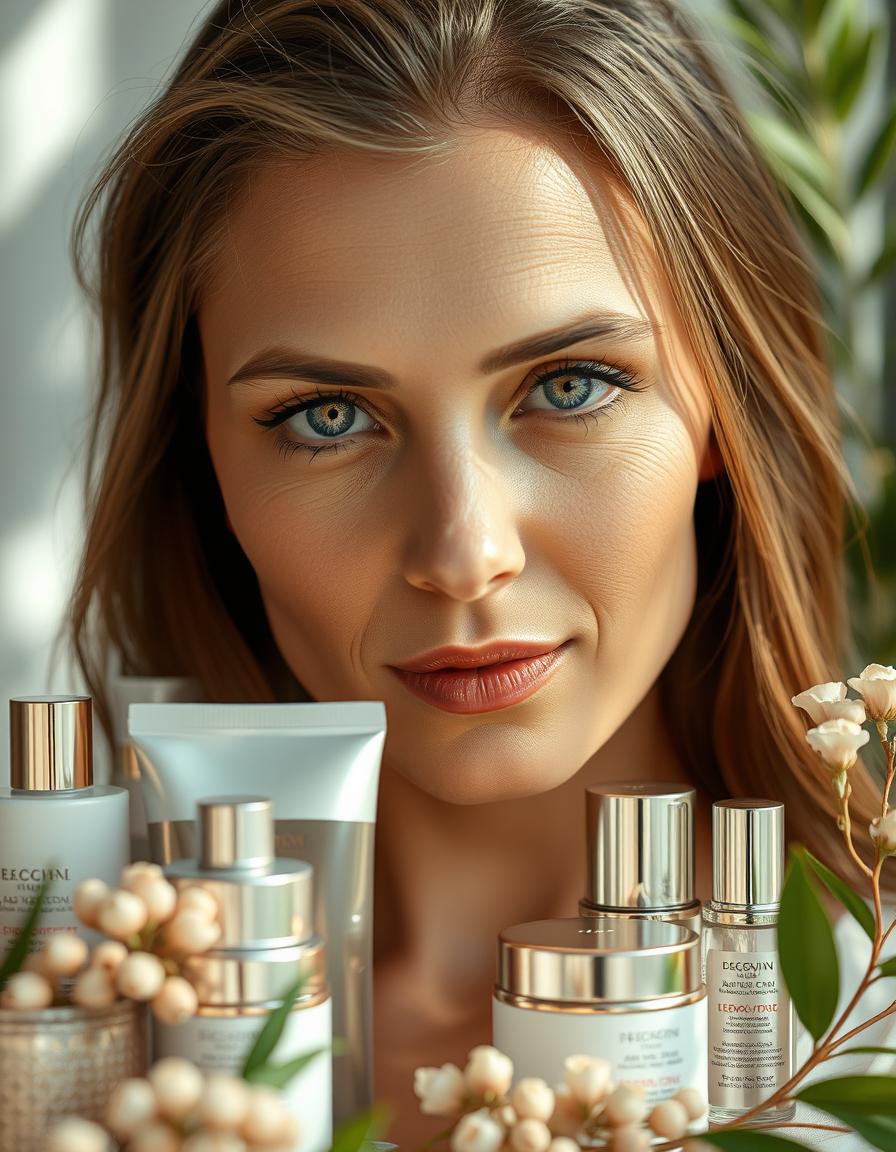
Have you ever noticed how some people seem to age gracefully, while others’ faces appear to lose their natural glow and depth over time? This phenomenon often ties into a concept gaining attention among beauty experts called flat aging. Unlike the usual signs of aging—wrinkles, fine lines, and sagging skin—flat aging refers to a different, less talked-about facial change that can make someone’s appearance seem dull or lifeless. Let’s explore what flat aging means, why it happens, and what you might do about it.
What Exactly Is Flat Aging?
Flat aging describes the gradual loss of facial contours and volume that causes the face to look flatter or less dimensional as people grow older. Instead of the face showing vibrant curves and natural shadows, it begins to appear more even and “flat.” This can give the skin a tired or less youthful vibe, even if wrinkles and lines aren’t very noticeable yet.
Think of it like a beautifully sculpted statue that over time loses its depth and sharpness. The features don’t pop like they once did. This subtle but powerful change is often missed since it’s less dramatic than sagging or deep wrinkles.
Signs of Flat Aging
- Loss of cheekbone prominence
- Flatter mid-face area with less natural shadowing
- Less defined jawline
- Skin appearing more stretched or smooth but lacking vitality
- Eyes sometimes seem sunken or less expressive
When you see these signs, the face generally looks less lively, even if age lines haven’t fully formed yet.
Why Does Flat Aging Occur?
Flat aging happens mainly because of changes happening under the surface of the skin. As we age, several processes take place that reduce the volume and firmness of our face:
Loss of Facial Fat
Our faces are naturally cushioned with fat pads that create beautiful curves and youthful fullness. Over time, these fat pads shrink or shift downward, making the face look deflated or flat.
Bone Resorption
Yes, bone is alive and it changes too! The bones of the face gradually lose some density and volume, especially around the cheeks, jaw, and eyes. This decrease makes facial contours less prominent.
Skin Changes
While wrinkles are a sign of aging skin, the skin’s thickness and elasticity also decrease. The skin may get a bit thinner and less elastic, contributing to that flat, stretched-out look.
Muscle Changes
Facial muscles tend to weaken slightly over time. This loss of tone adds to the difficulty in maintaining naturally lifted features.
How to Identify Flat Aging: A Simple Table
| Aspect | Younger Face | Flat Aging Face |
|---|---|---|
| Cheekbone | High and prominent | Less defined, flat |
| Jawline | Sharp and contoured | Blunt or soft edges |
| Skin Texture | Glowing and elastic | Smooth but dull |
| Eye Area | Bright and open | Sunken or tired |
Why Are Beauty Experts Talking About Flat Aging?
Beauty professionals are buzzing about flat aging because it highlights that aging isn’t just about wrinkles or saggy skin. It brings attention to the loss of volume and structure, which greatly affects how youthful or tired someone looks.
By identifying flat aging, experts can suggest treatments and lifestyle changes that better address overall facial health, rather than just surface-level signs. Treatments aiming to restore volume and dimension can help bring back that youthful “pop” that flat aging tends to erase.
Common Approaches to Combat Flat Aging
- Dermal fillers: These add volume to cheeks, under-eyes, and other areas to recreate lost curves.
- Facial exercises: Targeted workouts can slightly improve muscle tone and support.
- Skincare products: Ingredients like peptides and hyaluronic acid hydrate and plump skin.
- Healthy lifestyle: Proper nutrition, hydration, sleep, and sun protection ensure skin and tissues stay resilient.
Real Talk: Why Volume Matters More Than You Think
Imagine a balloon slowly losing air. It doesn’t just get wrinkly; it loses its shape and firmness. The same happens with your face. Flat aging reflects deflation more than simple aging signs, making someone appear tired or older without the obvious wrinkles.
One friend once told me, “I don’t look older, I just look… flat. Like my face ran out of juice!” It’s a perfect way to describe flat aging. That “juice” is the volume that keeps your features popping.
By understanding flat aging, you can avoid the common mistake of focusing solely on wrinkle reduction and instead embrace a fuller, fresher look.
Preventing and Managing Flat Aging
While aging is unavoidable, there are simple steps to slow flat aging and even improve your facial contours:
- Stay hydrated: Water keeps skin plump and healthy.
- Eat nutrient-rich foods: Vitamins A, C, E, and healthy fats support skin and bone health.
- Use sunscreen daily: UV rays degrade collagen and speed up volume loss.
- Consider professional advice: A consultation can reveal the best strategies for your facial needs.
- Practice facial massages: Stimulates circulation and tone.
Of course, the perfect method varies person to person, just like no two faces are the same.
On a related note, while reading about different aging concepts, I stumbled upon an interesting term called Negative Accounts Payable, which sounds more like an accounting issue than a beauty concern! Life’s funny how all kinds of “aging” show up in different contexts.
Conclusion
Flat aging shines a light on a quieter but important part of how our faces change with time. It’s about losing the natural volume and contours that give our faces life and character. Recognizing flat aging helps people and beauty experts explore ways to restore facial fullness and brightness, keeping that youthful spark alive even as the years go by. Remember, aging is natural, but understanding changes like flat aging empowers you to make choices that keep you feeling confident and radiant.

Hey, I’m Zara! I’m all about simple, healthy living and feeling your best every day. On this blog, I share easy wellness tips, real talk about health, and small changes that make a big difference. Let’s keep it real, stay inspired, and feel good, together.