
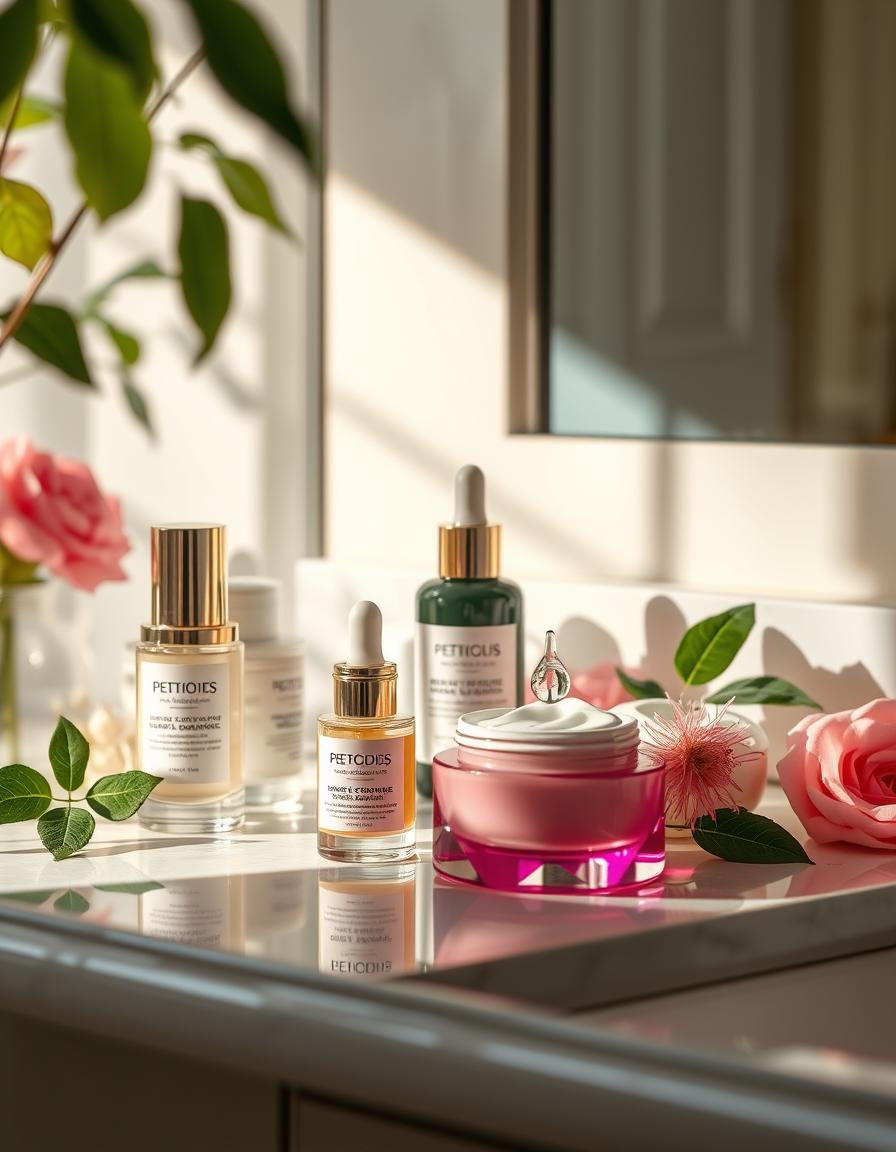
Peptides have gained quite a bit of buzz in the skincare community recently, especially for their role in anti-aging products. But what exactly are peptides, and how do they help keep our skin looking youthful? These tiny protein fragments might be small, but they pack a powerful punch when it comes to promoting healthier, firmer skin. If you’re curious about adding peptides to your skincare routine, understanding their benefits and what to watch out for can make a noticeable difference in your skin’s appearance and texture.
What Are Peptides?
At their core, peptides are short chains of amino acids, which are the building blocks of proteins. Think of them as tiny messengers that send signals to cells to perform specific functions. In skincare, peptides encourage the production of collagen, elastin, and other important proteins that maintain the skin’s strength and elasticity. As we age, our bodies produce fewer of these proteins, leading to wrinkles, sagging, and dullness. Applying peptides topically helps remind your skin to stay firm and smooth.
How Peptides Work in Skincare
When you apply products containing peptides, they penetrate the outer layer of your skin and deliver messages to skin cells. These messages can stimulate repair, boost hydration, and encourage the production of new collagen fibers, which improves skin texture and resilience.
Moreover, peptides can help reduce inflammation and protect skin from damage caused by free radicals, those pesky molecules that contribute to aging and environmental harm. This combination of effects makes peptides a favorite ingredient in anti-aging skincare formulas.
Benefits of Peptides for Aging Skin
Many people turn to peptides because they offer several advantages for mature skin without harsh chemicals or aggressive treatments. Here’s why peptides stand out:
- Boost Collagen Production: Peptides encourage your skin to make its own collagen, which helps reduce wrinkles and fine lines naturally.
- Improve Skin Elasticity: With better collagen and elastin, your skin stays firmer and bounces back more easily.
- Hydrate and Repair: Peptides can enhance the skin’s barrier function, making it better at holding moisture and repairing itself.
- Reduce Inflammation: Some peptides calm irritated skin and help with conditions like redness or sensitivity.
Peptides vs. Other Anti-Aging Ingredients
Unlike retinoids, which can sometimes cause redness and peeling, peptides are generally gentle and suitable for sensitive skin. Vitamin C is great for brightening, but peptides take a more structural approach by actually encouraging your skin’s foundation to strengthen. They complement other active ingredients well and can often be used together for a fuller skincare routine.
Different Types of Peptides in Skincare
Not all peptides are created equal. Here’s a quick guide to common peptides you might see on ingredient lists and what they do:
| Peptide Name | Function | Skin Benefits |
|---|---|---|
| Palmitoyl Pentapeptide-4 | Stimulates collagen and elastin production | Reduces wrinkles, improves skin texture |
| Copper Peptides | Aids wound healing and collagen synthesis | Repairs damaged skin, promotes firmness |
| Acetyl Hexapeptide-8 (Argireline) | Reduces muscle contractions | Minimizes expression lines, smooths skin |
| Matrixyl 3000 | Stimulates collagen and hyaluronic acid | Enhances hydration, plumps skin |
What to Look for When Choosing Peptide Skincare Products
Choosing the right peptide product can feel like searching for a needle in a haystack—there are so many options out there! Here are some simple tips to help you pick the best ones for your skin:
- Check the Label: Look for peptides high on the ingredient list, which means they’re present in higher amounts.
- Complementary Ingredients: Products that combine peptides with moisturizing agents like hyaluronic acid or soothing ingredients often work better together.
- Packaging Matters: Peptides can be sensitive to light and air, so choose products in opaque, airtight containers.
- Patch Test: Though peptides are usually gentle, testing a small area ensures you won’t have an allergic reaction.
- Consult Reviews: Real user experience can give insight into how a peptide product performs on different skin types.
The Right Routine For Peptides
Peptides work well layered under your moisturizer or mixed into serums. Since they are gentle, you can use peptide products both morning and night. Avoid mixing with strong acids or retinoids at the same time, as this might reduce their effectiveness. Instead, alternate or separate application times for best results.
Fun fact: just like a fine wine improves with age, your skin can benefit from consistent peptide use. Speaking of aging well, if you have an interest in the Aging Wine Value, you’ll appreciate how patience and care lead to remarkable results over time.
Conclusion
Peptides are a friendly and effective option for anyone looking to keep their skin looking fresh, firm, and youthful. These tiny protein messengers provide a natural boost to your skin’s ability to repair and regenerate, helping reduce signs of aging gently and steadily. When selecting products, focus on quality, complementary ingredients, and how the formula suits your skin type. Remember, good skincare is a journey, not a sprint, and peptides are one of the stars that can help you glow gracefully for years to come.

Hey, I’m Zara! I’m all about simple, healthy living and feeling your best every day. On this blog, I share easy wellness tips, real talk about health, and small changes that make a big difference. Let’s keep it real, stay inspired, and feel good, together.