

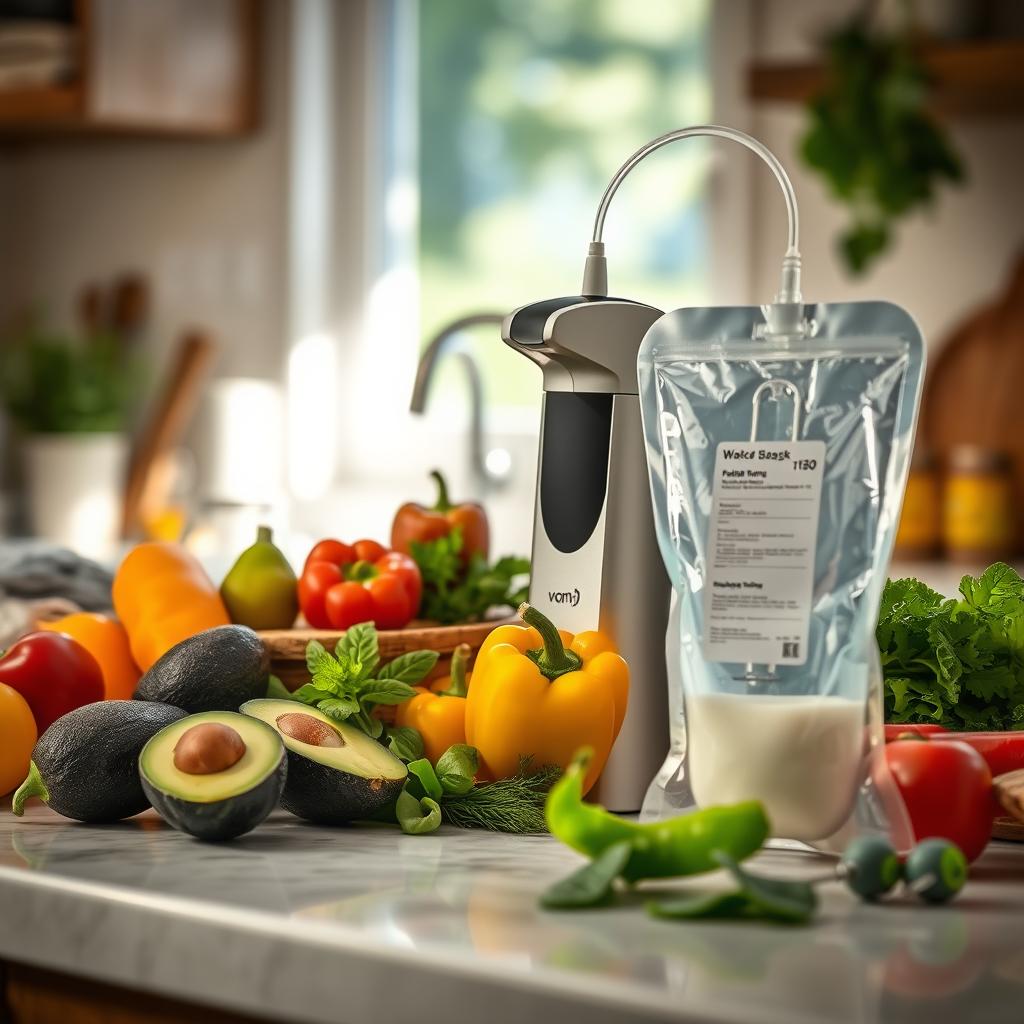
Receiving nutrition through a gastrostomy tube, or G tube, can feel like a significant life change. Whether for yourself or a loved one, understanding the fundamentals of this process is key to maintaining health and well being. A G tube is a small tube placed through the abdomen that delivers nutrition directly to the stomach, bypassing the mouth and esophagus. This method becomes necessary when someone cannot eat or drink enough to sustain themselves. Following proper nutritional guidelines for g tube feeding in adults is not just about getting calories, it’s about providing the body with the precise fuel it needs to function, heal, and thrive. This guide will walk you through the essential information, making the process clearer and more manageable.
Understanding Your Core Nutritional Needs
The foundation of any successful feeding plan is understanding the body’s basic requirements. Just like a car needs the right type of fuel, our bodies need a specific mix of calories, protein, fluids, vitamins, and minerals. A registered dietitian or physician will determine the exact needs for each individual, as these can vary widely based on age, weight, medical condition, and activity level. These personalized recommendations are the cornerstone of the nutritional guidelines for g tube feeding in adults.
Calculating Calorie Requirements
Calories are the energy your body uses for everything from breathing to walking. An adult’s daily calorie needs can range from 1,600 to 3,000 or more. A healthcare provider will use specific equations, like the Harris Benedict or Mifflin St Jeor formulas, to estimate your basal metabolic rate (the energy you burn at rest) and then add factors for activity and medical stress. Getting the right amount of calories is critical to prevent unwanted weight loss and muscle breakdown. Your specific plan will be built around these crucial energy targets.
The Importance of Protein
Protein is the building block for your body’s tissues. It’s vital for healing wounds, supporting your immune system, and maintaining muscle mass. Protein needs are often higher for individuals with chronic illnesses, infections, or those recovering from surgery. A typical daily protein goal might be 1.0 to 1.5 grams of protein per kilogram of body weight, but this can be adjusted based on medical needs. Following the protein aspect of the nutritional guidelines for g tube feeding in adults helps the body repair itself effectively.
Fluid and Hydration Goals
Hydration is one of the most overlooked but critical components of a g tube feeding plan. Dehydration can lead to serious complications like constipation, kidney problems, and confusion. The general rule of thumb is about 30 35 milliliters of water per kilogram of body weight daily. However, this amount includes the water content in your formula. Your healthcare team will specify how much extra water, known as “free water flushes,” you need to administer through the tube each day to stay properly hydrated. These flushes also help keep the tube clean and prevent clogs.
Choosing the Right G Tube Formula
The world of enteral (tube feeding) formulas can seem complex, but they are generally categorized based on their nutritional composition. The formula prescribed is chosen to match your specific health needs, and selecting the correct one is a key part of the nutritional guidelines for g tube feeding in adults. You should never change your formula without consulting your healthcare provider.
Standard (Polymeric) Formulas
These are the most common type of formula. They are designed for individuals with a normally functioning digestive system. The nutrients carbohydrates, proteins, and fats are present in their whole, or intact, forms, much like they are in regular food. Think of these as a nutritionally complete liquid meal. Examples include brands like Jevity, Osmolite, and Nutren.
Hydrolyzed (Semi Elemental) Formulas
For people who have difficulty digesting or absorbing nutrients, hydrolyzed formulas are often recommended. In these formulas, the protein and carbohydrates are already partially broken down into smaller, more easily absorbed components. They are often used for individuals with conditions like Crohn’s disease, pancreatitis, or short bowel syndrome. Peptamen is a common example of this type of formula.
Disease Specific Formulas
Some formulas are created to meet the very specific nutritional guidelines for g tube feeding in adults with certain medical conditions. For example:
- Diabetic Formulas: These contain a blend of carbohydrates that are digested more slowly to help manage blood sugar levels (e.g., Glucerna).
- Renal Formulas: For individuals with kidney disease, these formulas are typically lower in electrolytes like potassium and phosphorus and have a specific protein concentration (e.g., Nepro, Suplena).
- Pulmonary Formulas: These are higher in fat and lower in carbohydrates to help reduce carbon dioxide production, which can make breathing easier for people with respiratory conditions (e.g., Pulmocare).
Real Food Blends
A growing number of people are using blenderized diets, which consist of real foods pureed to a consistency that can pass through a G tube. This approach offers a wider variety of nutrients from whole foods. While many people thrive on this, it requires careful planning with a dietitian to make certain all nutritional needs are met and the blend is safe. Commercial options like Real Food Blends and Kitchen Blends are also available. This is an advanced area of the nutritional guidelines for g tube feeding in adults that demands professional oversight.
Creating a Feeding Schedule
How and when you receive your formula is known as your feeding schedule. Your doctor or dietitian will recommend a method that best fits your lifestyle and medical condition. The goal is to provide nutrition in a way that your body can tolerate well. Adhering to this schedule is a practical application of the nutritional guidelines for g tube feeding in adults.
Bolus Feeding
Bolus feeding is like eating a meal. A larger amount of formula (typically 240 480 mL) is given over a short period (15 30 minutes) several times a day using a syringe. This method allows for more freedom and mobility between feedings. However, it may not be suitable for everyone, as some people may experience bloating, nausea, or reflux with large, rapid infusions.
Intermittent Gravity Drip
This method is a middle ground between bolus and continuous feeding. The formula is placed in a feeding bag and allowed to drip into the G tube over a period of 30 60 minutes. It’s slower than a bolus feed, which can help reduce digestive discomfort for some individuals. It still provides a more meal like experience compared to round the clock feeding.
Continuous Feeding
Continuous feeding uses an electric pump to deliver formula at a slow, steady rate over many hours, often 12 to 24 hours a day. This method is often best for people who cannot tolerate larger volumes of formula at once or have absorption issues. While it provides excellent tolerance, it does require being connected to a pump and pole for extended periods, which can limit mobility.
| Feeding Method | Description | Best For | Considerations |
|---|---|---|---|
| Bolus Feeding | Large volume via syringe over 15 30 mins, 3 6 times/day. | Active individuals, stable digestive system. | Higher risk of bloating, nausea, or reflux. |
| Intermittent Gravity Drip | Formula drips from a bag over 30 60 mins. | Those who can’t tolerate fast bolus feeds. | Requires a feeding bag and pole; slower than bolus. |
| Continuous Feeding | Slow, steady rate via pump over 12 24 hours. | Poor tolerance, malabsorption, critically ill patients. | Restricts mobility; requires a pump and supplies. |
Administering Feeds and Tube Care
Proper technique is essential for safety and comfort. Following clear steps for administering feeds and caring for the tube and stoma (the opening in the skin) will prevent most common problems. These practical steps are a vital part of the daily nutritional guidelines for g tube feeding in adults.
Step by Step Feeding Process
- Wash Your Hands: Always start with good hygiene to prevent infection.
- Position Yourself: Sit upright or have your head elevated at least 30 45 degrees during feeding and for 30 60 minutes afterward. This helps prevent aspiration (formula going into the lungs).
- Check for Residuals: Some protocols require checking the stomach content before a feed to see how well the last feeding was absorbed. Follow your healthcare team’s specific instructions on this.
- Flush the Tube: Before each feed, flush the tube with the prescribed amount of water (usually 30 mL) to make certain it’s clear.
- Administer the Formula: Administer the formula at room temperature. Cold formula can cause cramping. Follow your prescribed method (bolus, gravity, or pump).
- Flush Again: After the feeding is complete, flush the tube again with water. This clears any remaining formula and helps prevent clogs.
Daily Stoma Care
Keeping the skin around the G tube clean and dry is important to prevent irritation and infection. For the first week or two after placement, you will have specific instructions from your surgeon. After it has healed, daily care typically involves gently cleaning the skin with mild soap and water, rinsing thoroughly, and patting it dry. Check the site daily for any signs of redness, swelling, leakage, or pain, and report them to your doctor.
Monitoring and Managing Potential Complications
While G tube feeding is generally safe, it’s good to be aware of potential issues. Understanding the nutritional guidelines for g tube feeding in adults also means knowing how to spot and handle problems. Most complications are minor and can be managed easily with guidance from your healthcare team.
Common Issues
- Clogged Tube: This is the most frequent problem. It’s often caused by thick formula or medications that haven’t been properly flushed. Prevention is key: always flush the tube with water before and after feedings and medications.
- Nausea or Vomiting: This can be caused by feeding too quickly, giving too much volume, or using formula that is too cold. Slowing down the feed or switching to a continuous schedule can often help.
- Diarrhea or Constipation: Diarrhea may be related to the formula type or a medication. Constipation is often a sign of inadequate fluid intake. Adjusting your free water flushes is usually the first step to resolving it.
- Skin Irritation: Leakage of stomach acid around the tube can irritate the skin. Keeping the area clean and dry and ensuring the tube fits properly can prevent this.
Always communicate with your healthcare provider about any issues you experience. They can help you troubleshoot the problem and adjust your plan. These practical management strategies are an integral part of the overall nutritional guidelines for g tube feeding in adults.
Frequently Asked Questions (FAQ)
Here are answers to some common questions about the nutritional guidelines for g tube feeding in adults.
Can I still eat or drink by mouth with a G tube?
This depends entirely on the reason the G tube was placed. Some people use the tube for supplemental nutrition and can still eat and drink small amounts for pleasure. Others have swallowing difficulties (dysphagia) that make it unsafe to take anything by mouth. Always follow the specific recommendations from your medical team, including your speech language pathologist.
How are medications given through a G tube?
Medications should be in liquid form whenever possible. If a pill must be given, it needs to be crushed to a fine powder and mixed with water. Never mix medications directly with your formula. Flush the tube with water before giving the medication, administer the medication, and then flush the tube with water again. Check with your pharmacist to make certain a medication can be safely crushed or opened.
How much does tube feeding formula cost?
The cost varies significantly based on the type of formula and your insurance coverage. Standard formulas can cost approximately $30 $50 for a case of 24 cans or cartons. Specialized or hydrolyzed formulas can be much more expensive, sometimes over $100 $200 per case. As of September 2025, it’s essential to check with your insurance provider and a medical supply company like Coram or Apria to get an accurate estimate of your out of pocket costs.
How often does a G tube need to be replaced?
This depends on the type of tube. Some low profile “button” tubes are changed every 3 6 months, a procedure that can often be done at home or in a clinic. Longer, dangling tubes may last for a year or more. Your doctor will provide a schedule based on the device you have.
Conclusion
Adjusting to life with a G tube involves learning new routines, but it is a highly effective way to receive the nutrition your body needs. The key to success is a strong understanding of your personalized plan and consistent communication with your healthcare team. By following the nutritional guidelines for g tube feeding in adults, you can manage your caloric, protein, and fluid intake effectively. Choosing the right formula, adhering to a feeding schedule that works for you, and practicing proper tube care will help prevent complications and support your overall health. Remember that these guidelines are a framework, your dietitian and physician will help you fine tune the details to create a plan that fits your life and helps you feel your best.
