
Did you know? Most commercial mouthwashes contain alcohol, which, while effective at killing germs, can dry out your mouth and even worsen bad breath over time. If you’ve ever found yourself checking ingredient labels or wondering about a more natural, gentle alternative, you’re not alone. This is where DIY mouthwash steps in as a game-changer for your oral health routine.
Creating your mouthwash is not only affordable and chemical-free, but it’s also highly customizable to suit your needs. Unlike commercial products, which often contain artificial additives, DIY recipes rely on safe and natural ingredients, such as tea tree oil and baking soda, to target bad breath, plaque, and gum health without irritating. Plus, it’s a sustainable approach that eliminates unnecessary packaging waste.
- Baking Soda: Known for its antibacterial properties and ability to neutralize odors.
- Tea Tree Oil: A powerful essential oil with germ-busting and anti-inflammatory benefits.
- Distilled Water: Provides a pure, clean base without impurities.
- Vinegar: Acts as a gentle cleanser, especially for combating bacteria.
By combining these ingredients into simple, effective recipes, you can take control of your oral hygiene without worrying about hidden chemicals or unwanted side effects. So, why not give DIY mouthwash a try today? Your gums and your wallet will thank you!
Why Use DIY Mouthwash?
Have you ever stopped to think about what’s in your mouthwash? Many commercial products contain alcohol, synthetic dyes, and preservatives that can irritate sensitive gums or leave you questioning their safety. This is where DIY mouthwash offers a refreshing alternative. Made with natural ingredients, it’s free of harsh chemicals, cost-effective, and easily customizable to suit your specific oral health needs.
Avoid Harsh Chemicals
DIY mouthwash recipes are a gentle way to care for your oral health. Unlike store-bought options, they don’t contain alcohol, which can dry out your mouth and disrupt its natural balance. When you create your own blend, you avoid synthetic dyes and preservatives, ensuring that what you swish stays pure and natural. Plus, ingredients like tea tree oil, vinegar, and baking soda are known for their antibacterial and anti-inflammatory properties, making them effective support for gum health.
Cost-Effective Solutions
Why spend money on expensive commercial products when you likely have all the essentials for a homemade mouthwash in your kitchen? Baking soda and distilled water, for instance, are not only affordable but incredibly versatile. By making your own, you’re tapping into a practical, eco-friendly solution that’s as good for your wallet as it is for your teeth.
Customizable for Specific Needs
The beauty of DIY mouthwash lies in its adaptability. Have sensitive gums? Add a pinch of soothing baking soda for gentle cleaning. Struggling with bad breath? Incorporate mint essential oil for lasting freshness. Need a plaque-fighting powerhouse? Blend in a few drops of tea tree oil for its germ-killing properties.
Quick Guide to Potential Ingredients:
- Baking soda: Neutralizes oral acids, freshens breath
- Tea tree oil: Fights harmful bacteria, lowers gum inflammation
- Distilled water: Keeps your mixture clean and free of impurities
- Vinegar: Cuts through plaque and supports gum health
Compare Ingredients in DIY and Commercial Mouthwashes
| Ingredient | DIY Mouthwash | Commercial Mouthwash |
|---|---|---|
| Alcohol | No | Often Yes |
| Synthetic Dyes | No | Yes |
| Baking Soda | Yes | No |
| Essential Oils | Yes | Sometimes |
If creating natural solutions resonates with you, homemade mouthwash might be just the answer you’ve been searching for. And if tooth pain has you looking for relief, explore home remedies for tooth pain to enhance your oral care toolkit.
Key Ingredients & Their Benefits
Ever wondered what makes DIY mouthwash so effective? The beauty of homemade solutions lies in their simplicity and the natural benefits of everyday ingredients. Let’s dive into some of the most common components used in DIY mouthwash recipes and explore how they can transform your oral health.
- Baking Soda: This powerhouse ingredient isn’t just for baking! Baking soda helps neutralize acids in your mouth that can erode enamel and cause bad breath. Its gentle abrasiveness also aids in whitening teeth, leaving your smile brighter and fresher. A dash of baking soda in your mouthwash can work wonders against plaque buildup.
- Salt: You might already use saltwater as a quick rinse for a sore throat, but did you know it’s a natural antiseptic? Salt can reduce inflammation, soothe gums, and kill bacteria lingering in your mouth. Incorporating it into your DIY mouthwash recipe is simple, effective, and wallet-friendly!
- Hydrogen Peroxide: Known for its mild bleaching properties, hydrogen peroxide is an excellent addition for banishing surface stains and achieving a whiter smile over time. Its antibacterial qualities make it a serious contender for combating gum disease and maintaining overall oral hygiene. Just remember to dilute it properly for safe usage.
These ingredients aren’t just easy to get, they’re also backed by science and proven to support oral health. So, why rely solely on commercial products when you can create something fresh and personalized? What’s stopping you from giving these DIY ideas a try?With simplicity as your starting point and these safe ingredients as your allies, creating your own mouthwash could be the key to fresher breath and healthier gums. Ready to get mixing?
5 DIY Mouthwash Recipes for Fresh Breath and Gum Health
Ever wondered how to make your mouthwash at home? Not only can DIY mouthwash recipes save money, but they also allow you to control exactly what goes into your oral care routine. Whether you’re looking for a refreshing rinse to tackle bad breath or something gentler to combat gum sensitivity, we’ve got you covered with five easy recipes. Let’s dive into the process and see how simple it is to create effective, natural mouthwash blends using everyday ingredients.
1. Basic Baking Soda & Peppermint Mouthwash
Baking soda is a superstar ingredient in oral hygiene thanks to its ability to neutralize acids and fight odor. Pair it with peppermint oil, and you’ve got an invigorating rinse that leaves your breath fresh and your smile brighter.
- Ingredients:
- 1 cup distilled water
- 1 tsp baking soda
- 2-3 drops peppermint essential oil
Instructions:
- In a clean glass jar or bottle, combine distilled water and baking soda.
- Add 2-3 drops of peppermint oil. Adjust for the desired level of freshness.
- Seal the jar tightly and shake well to mix.
Shelf Life: Store in a cool, dark environment for up to one week to maintain potency.
Usage Tips: Swish 1-2 tablespoons for 30 seconds twice a day. Avoid swallowing the mixture.
2. Tea Tree Oil Antibacterial Mouthwash
Tea tree oil is celebrated for its natural antibacterial properties, making it a great addition to your oral care routine for combating germs and plaque buildup.
- Ingredients:
- 1 cup distilled water
- 3-4 drops tea tree essential oil
- 2 tsp apple cider vinegar
Instructions:
- Mix apple cider vinegar and distilled water in a clean container.
- Carefully add tea tree oil to the solution.
- Shake thoroughly to ensure even distribution.
Shelf Life: Use this blend within 5 days when stored in the refrigerator.
Usage Tips: Use 1 tablespoon, swishing briefly for germ-killing benefits. Avoid prolonged contact if you have sensitive gums.
3. Refreshing Citrus Mouthwash
This recipe is perfect for those who enjoy a zesty kick. Citrus oils help freshen breath while offering mild antibacterial benefits.
- Ingredients:
- 1 cup distilled water
- 2-3 drops lemon essential oil
- 1 tsp baking soda
- 2 drops of grapefruit essential oil
Instructions:
- Combine distilled water and baking soda in a container.
- Add lemon and grapefruit essential oils to the mixture.
- Shake well before use.
Shelf Life: Store for up to one week in a cool place.
Usage Tips: Swish twice daily to enjoy the natural citrus aroma and clean feeling.
4. Vinegar-Based Deep Clean Mouthwash
Apple cider vinegar has long been a staple in DIY cleaning products, and its mild acidity is excellent for breaking down plaque and bacteria.
- Ingredients:
- 1 cup distilled water
- 2 tsp apple cider vinegar
- 2-3 drops peppermint essential oil
Instructions:
- Add apple cider vinegar to distilled water in a container.
- Mix in peppermint oil for added freshness.
- Shake to blend all ingredients.
Shelf Life: Can be stored in the refrigerator for up to 5 days.
Usage Tips: Use once daily, no more than 15 seconds per swish, due to vinegar’s acidity.
5. Herbal Infusion Mouthwash
If you’re interested in exploring longer-lasting flavor and soothing gums, this herbal recipe combines natural tea-infused ingredients for gentle care.
- Ingredients:
- 1 cup boiling water
- 1-2 chamomile or green tea bags
- 1 tsp baking soda
- 1-2 drops peppermint essential oil
Instructions:
- Steep tea bags in boiling water for 5-10 minutes, then allow to cool.
- Mix in baking soda and peppermint oil.
- Transfer to a clean bottle and shake well.
Shelf Life: Best used within 3 days when stored in the fridge.
Usage Tips: Use twice daily for soothing and refreshing effects. Ideal for post-meal rinses.
Comparison Table: Homemade Mouthwash Highlights
| Recipe Name | Main Benefit | Key Ingredient | Shelf Life |
|---|---|---|---|
| Basic Baking Soda & Peppermint | Neutralizes Odor | Baking Soda | 7 days |
| Tea Tree Oil Antibacterial | Fights Germs | Tea Tree Oil | 5 days |
| Refreshing Citrus | Mild Antibacterial | Citrus Oils | 7 days |
| Vinegar-Based Deep Clean | Reduces Plaque | Apple Cider Vinegar | 5 days |
| Herbal Infusion | Soothes Gums | Chamomile or Green Tea | 3 days |
Safety Tips & Best Practices for DIY Mouthwash
Creating your own DIY mouthwash can be a rewarding way to take charge of your oral health. But are you confident you’re crafting it safely? While homemade recipes offer natural ingredients, certain precautions are a must to ensure your blend is effective and irritation-free. Let’s dive into some essential safety tips and best practices to keep your gums healthy and your breath fresh!
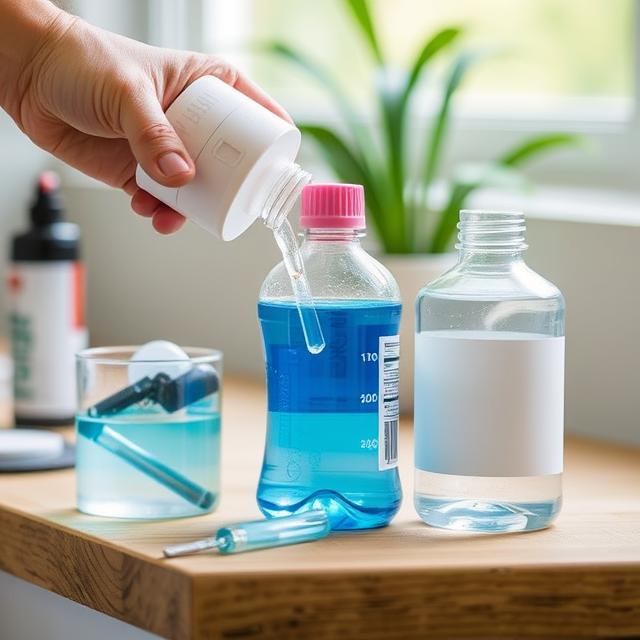
Don’t Overuse Essential Oils: Essential oils like tea tree oil or peppermint may sound magical for your oral care routine, but remember less is more. These oils are highly concentrated and can cause burning, sensitivity, or irritation if not diluted properly. Always measure and dilute oils in your recipe to strike the perfect balance between potency and safety.
Always Dilute Strong Ingredients: Ingredients such as hydrogen peroxide and vinegar should be handled with care. These are effective for their antibacterial properties, but when used undiluted, they can be overly harsh on your gums or enamel. Stick to safe ratios every time you mix up your batch.
Use Distilled Water: Avoid using tap water, which may introduce bacteria, especially if your mouthwash is not used immediately. Distilled water ensures purity and extends the shelf life of your homemade mouthwash.
To streamline your process, here’s a quick checklist of best practices:
- Shake before each use if your recipe includes oils this ensures an even mixture.
- Store in glass containers to avoid chemical reactions with plastic and to maintain the integrity of essential oils.
- Keep your mouthwash away from sunlight to preserve the efficacy of its ingredients.
Don’t forget to test your blend on a small area before regular use to ensure it suits your needs. When you follow these practices, you create a mouthwash you can trust a bespoke solution that’s safe, natural, and tailored to your oral health journey. Ready to give it a try?
When to Avoid DIY Mouthwash
While DIY mouthwash offers an easy and natural way to freshen breath and promote oral health, it’s not always the right choice for everyone. Knowing when to avoid these homemade solutions can save you from unintended side effects or complications. Let’s discuss some common scenarios where DIY mouthwash might not be suitable. These tips will ensure you’re making safe and informed decisions for your oral care routine.
1. Open Wounds or Oral Infections
If you have open wounds, ulcers, or oral infections, DIY mouthwash could aggravate your condition. Many ingredients, such as vinegar or essential oils, have strong antibacterial properties but may irritate raw tissue or delay healing. In such cases, it’s best to opt for professionally recommended treatments or consult your dentist before introducing any homemade solution.
2. Allergies to Ingredients
Do you experience sensitivity or allergic reactions to specific ingredients? Essential oils like tea tree oil, when improperly diluted, are common culprits for allergic reactions. Similarly, baking soda or vinegar may irritate sensitive gums. If you’re unsure, always do a patch test or avoid any ingredient that doesn’t feel right for your oral health.
3. Long-Term Use Without Guidance
While peroxide and vinegar can be powerful additions to DIY mouthwash, overuse or long-term exposure may weaken enamel or disrupt the natural balance of your mouth. These ingredients should be used sparingly and only under guidance. If you’re relying heavily on DIY solutions, make it a habit to check in with your dentist to ensure you’re not unintentionally harming your teeth and gums.
| Scenario | Why Avoid DIY Mouthwash? | Recommended Action |
|---|---|---|
| Open wounds or oral infections | May irritate or worsen the condition | Consult your dentist for proper treatment |
| Ingredient allergies or sensitivities | Risk of allergic reactions or gum irritation | Patch-test ingredients or use allergen-free options |
| Long-term use of abrasive ingredients | Potential enamel damage and oral imbalance | Limit use and seek professional guidance |
It can be tempting to rely exclusively on DIY mouthwash, but it’s crucial to prioritize safety. If you ever feel unsure, remember you’re not alone! Dentists are here to guide you in developing a safe and effective oral care regimen tailored to your needs. By knowing when to step back, you can strike the perfect balance between natural solutions and professional care.
DIY vs. Commercial Mouthwash: Which One is Right for You?
When it comes to maintaining fresh breath and gum health, both DIY and store-bought mouthwash options have their unique strengths. But how do they stack up? Let’s break it down so you can decide what suits your oral care routine best.
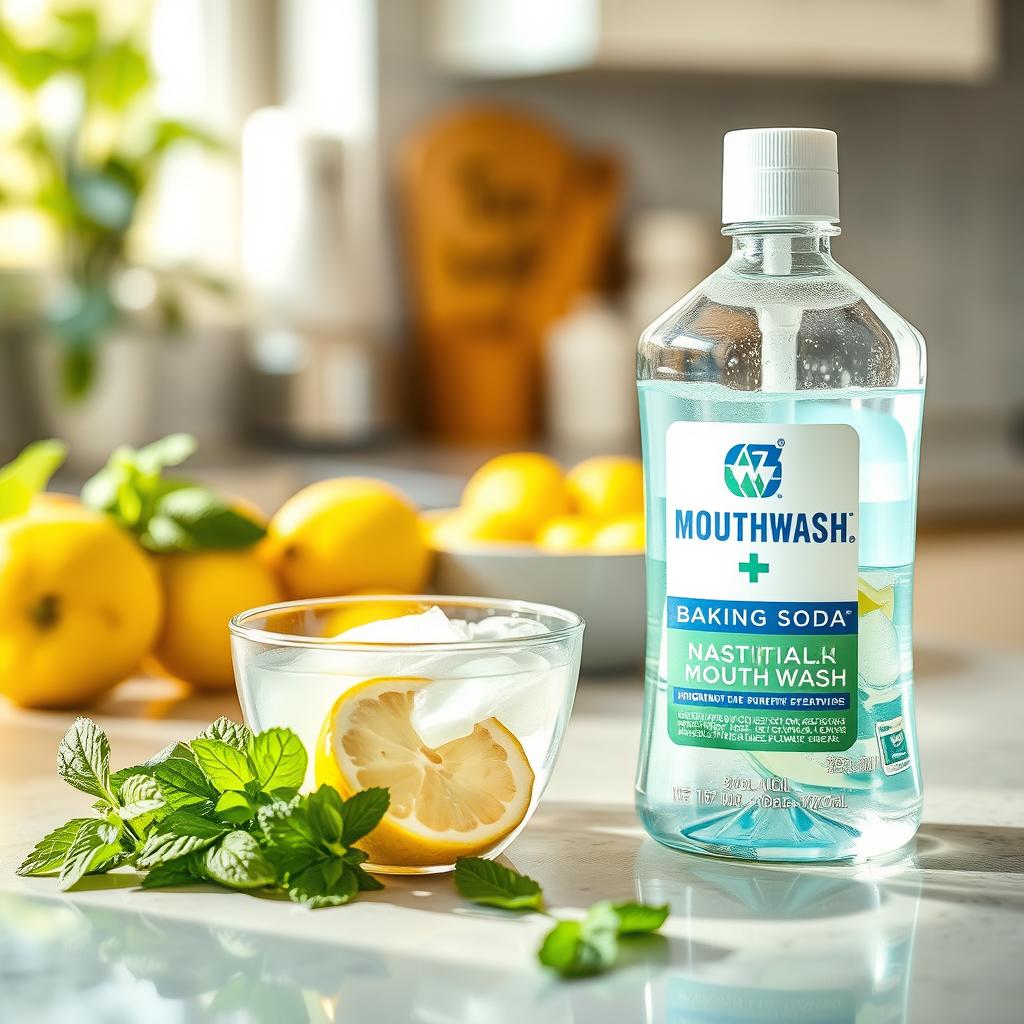
- Ingredients: If you’re concerned about what goes into your mouthwash, DIY options shine. They’re made from natural, customizable ingredients like baking soda or tea tree oil. In contrast, store-bought versions often include alcohol, artificial dyes, and other chemicals that might leave your mouth uncomfortably dry.
- Cost Comparison: Saving money without sacrificing oral hygiene is another advantage of DIY mouthwash. Making your costs just a few cents per use, while commercial mouthwashes can range from moderately priced to downright expensive over time.
- Environmental Impact: Are you eco-conscious? Homemade solutions are typically more sustainable, requiring no single-use packaging. Most commercial mouthwash options, however, come in plastic bottles that contribute to waste, making DIY the greener choice.
- DIY Benefits: Natural, budget-friendly, eco-conscious, and customizable to your needs.
- Store-Bought Benefits: Convenient, widely available, and clinically tested for effectiveness.
So, which one wins your vote? If sustainability, cost, and simplicity matter to you, DIY is the way to go. But if you crave the convenience and germ-fighting assurance of a prepared formula, commercial products like Listerine might be your top pick.
Fresh Breath, Healthier Gums, and Fewer Chemicals: The DIY Mouthwash Advantage
Imagine stepping away from commercial products laden with unknown chemicals and embracing a cleaner, greener solution for your oral health. DIY mouthwash recipes shine as a versatile, cost-effective, and natural way to maintain fresh breath while promoting healthier gums. With simple and accessible ingredients, you can craft your blend in the comfort of your kitchen. Plus, you’re fully in control—no artificial flavors, no alcohol burn, just pure, gentle care for your smile. What makes these homemade alternatives so appealing is their ability to address key oral health concerns using natural antibacterial heroes like baking soda and tea tree oil. These ingredients tackle bad breath and plaque while soothing your gums. Many DIY recipes add distilled water for dilution and vinegar for its cleansing properties, ensuring the formula is easy to use and effective. Ready to dive in and experiment? Here’s what you can keep in mind to start your homemade oral care journey:
- Test out various ingredients like peppermint oil or xylitol for a refreshing twist.
- Keep track of how your gums and teeth feel over time to spot improvements.
- Always use safe, food-grade components to avoid irritation or side effects.
- Store your DIY mouthwash in a clean, airtight container to maintain freshness.
Curious about a tried-and-true natural mouthwash recipe? Why not give it a go and see the difference for yourself? Have you tried a homemade mouthwash before? Share your experience in the comments’d love to hear your tips and tricks!

Hey, I’m Zara! I’m all about simple, healthy living and feeling your best every day. On this blog, I share easy wellness tips, real talk about health, and small changes that make a big difference. Let’s keep it real, stay inspired, and feel good, together.