
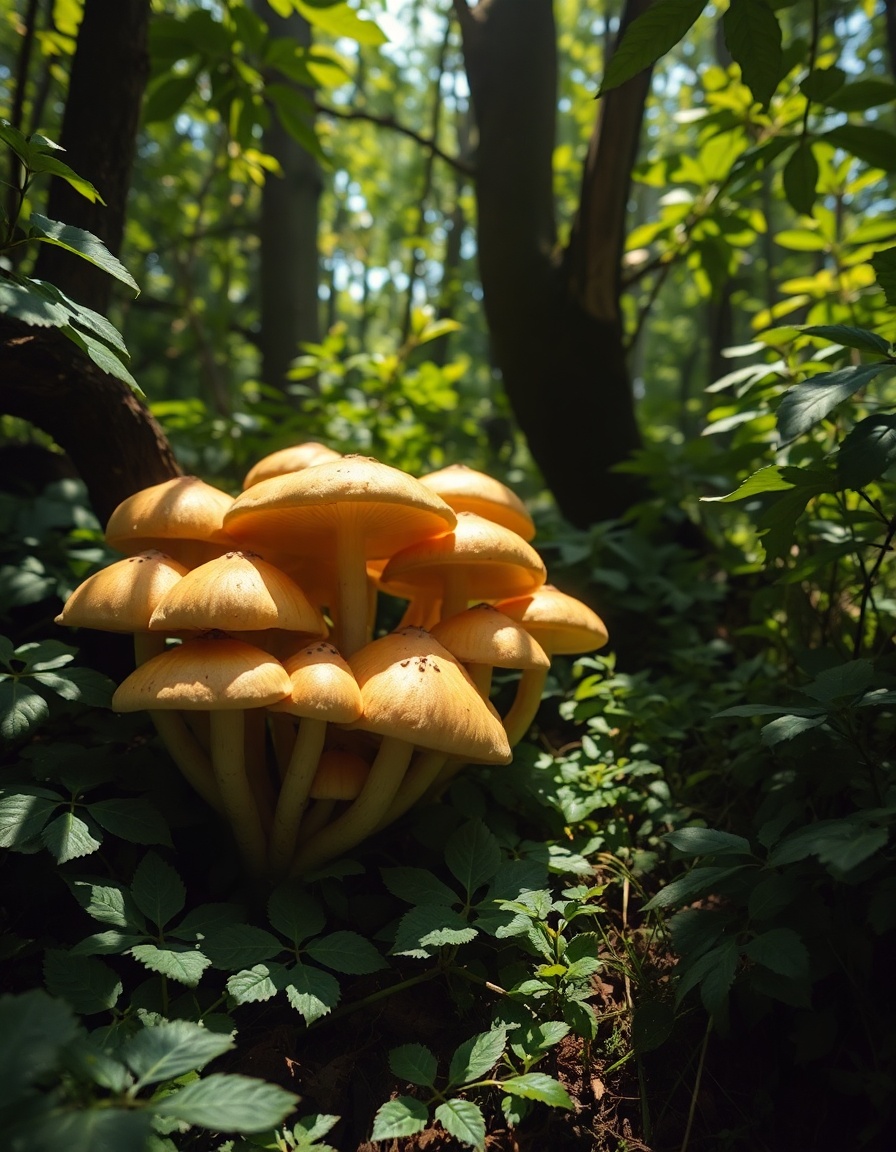
Psilocybin, the active compound found in certain species of mushrooms, has long been studied for its ability to alter perception and consciousness. But beyond its psychedelic effects, scientists are beginning to investigate whether psilocybin might have benefits in anti-aging — a surprising concept that’s catching the attention of researchers and wellness enthusiasts alike. Could this natural substance slow down or even reverse aspects of aging? Let’s explore what current research and theories suggest about psilocybin anti aging potential.
Understanding Psilocybin and Its Effects
Psilocybin is a psychedelic substance that, when consumed, turns into psilocin in the body, affecting serotonin receptors in the brain. This interaction leads to changes in mood, perception, and cognition. Traditionally used in spiritual and healing practices, psilocybin is now being revisited in clinical studies for treating depression, anxiety, and PTSD.
But how does this relate to aging? As it turns out, the brain’s chemistry and the body’s cellular functions share some surprising connections. Aging isn’t just about getting wrinkles or gray hair; it’s a complex process involving inflammation, brain health, cellular damage, and hormone changes. Some of the ways psilocybin impacts the brain may indirectly support healthier aging processes.
Psilocybin’s Impact on Brain Health
Neuroplasticity and Regeneration
One of the most exciting findings in psilocybin research is its ability to promote neuroplasticity — the brain’s capacity to form new connections. As we age, neuroplasticity decreases, leading to memory loss and slower cognitive functions. Studies suggest that psilocybin can help boost this process, allowing the brain to “rewire” itself and potentially slow cognitive decline.
- Increased dendritic growth: Psilocybin encourages the growth of dendrites, helping brain cells communicate more efficiently.
- Improved neural connections: Enhanced connectivity may lead to better learning, memory, and emotional regulation.
- Reduced depression and anxiety: Since mental health impacts aging, psilocybin’s mood-lifting effects may improve overall brain function.
Reduced Inflammation
Inflammation plays a big role in aging and many chronic diseases. Emerging research shows that psilocybin might help reduce inflammation in the body and brain. By dampening inflammatory responses, psilocybin could protect cells from damage that speeds up aging.
Cellular and Molecular Effects Linked to Anti-Aging
Aging involves damage to cells and DNA from oxidative stress and environmental factors. Some early studies indicate that psilocybin and related compounds may help reduce oxidative stress, promoting cellular health. Although direct evidence linking psilocybin to cellular anti-aging is limited, its influence on stress hormones and inflammation lays a promising foundation.
| Factor | Effect of Psilocybin | Potential Anti-Aging Benefit |
|---|---|---|
| Neuroplasticity | Increases formation of neural pathways | Enhances memory and cognition |
| Inflammation | Reduces systemic and brain inflammation | Protects cells and tissues |
| Oxidative Stress | May lower oxidative molecules | Prevents DNA and cellular damage |
| Stress Hormones | Modulates cortisol levels | Limits damage from chronic stress |
Psilocybin and Mental Well-Being in Aging
Mental health is a huge factor in how we age. Loneliness, depression, and anxiety can accelerate cognitive decline and physical health problems. By improving mood and emotional resilience, psilocybin might help older adults maintain a more youthful mental outlook. This psychological boost can encourage better lifestyle choices and social engagement, both critical for healthy aging.
One interesting side note: if you’re interested in overall aging support beyond mental health, you might want to look into screwless dental implants for seniors. Healthy teeth and gums play a surprisingly big role in overall aging and quality of life.
What the Research Says So Far
Clinical research on psilocybin anti aging effects is still in its early days. Most human studies focus on mental health benefits, but animal studies have begun to reveal cellular impacts. Here’s a quick rundown:
- Human Trials: Show promising effects on mood, anxiety, and PTSD, which can indirectly support healthier aging.
- Animal Research: Highlights effects on neuroplasticity and inflammation that relate to aging.
- Cell Studies: Suggest possible antioxidant properties that could protect cells from damage.
Still, experts warn that psilocybin should be used carefully. It’s not a magic potion, and its psychedelic effects mean it’s not suitable for everyone. Controlled clinical settings under professional guidance are recommended for safety.
Possible Concerns and Considerations
Like any substance affecting the brain, psilocybin comes with risks. Hallucinations and altered perception may not be desirable for all, especially for those with certain medical conditions. The legal status of psilocybin varies widely, too, which can limit access and research.
Another important point is dosage and frequency. The unique effects of psilocybin mean that taking too much or too often might lead to unwanted psychological effects. More research is needed to establish safe protocols that could align with anti-aging goals.
Summary of Potential Benefits
| Benefit | Description | Evidence Level |
|---|---|---|
| Improved Neuroplasticity | Helps brain adapt and repair | Moderate |
| Reduced Inflammation | Protects cells from damage | Preliminary |
| Mood Enhancement | Supports mental health in aging | Strong |
| Oxidative Stress Reduction | May prevent DNA damage | Early |
Conclusion
The idea that psilocybin anti aging effects could become part of future wellness strategies is intriguing. While the evidence is still unfolding, the compound’s influence on neuroplasticity, inflammation, and mental health offers a fresh perspective on aging. It won’t erase wrinkles overnight or make you immortal, but psilocybin might help keep the mind sharper and the body healthier as years go by.
Of course, this is not a call to rush into psychedelic experiences without caution. More studies will help clarify how psilocybin could fit into safe, effective anti-aging programs. For now, it’s a unique example of how natural compounds might support a longer, vibrant life in unexpected ways.

Hey, I’m Zara! I’m all about simple, healthy living and feeling your best every day. On this blog, I share easy wellness tips, real talk about health, and small changes that make a big difference. Let’s keep it real, stay inspired, and feel good, together.