
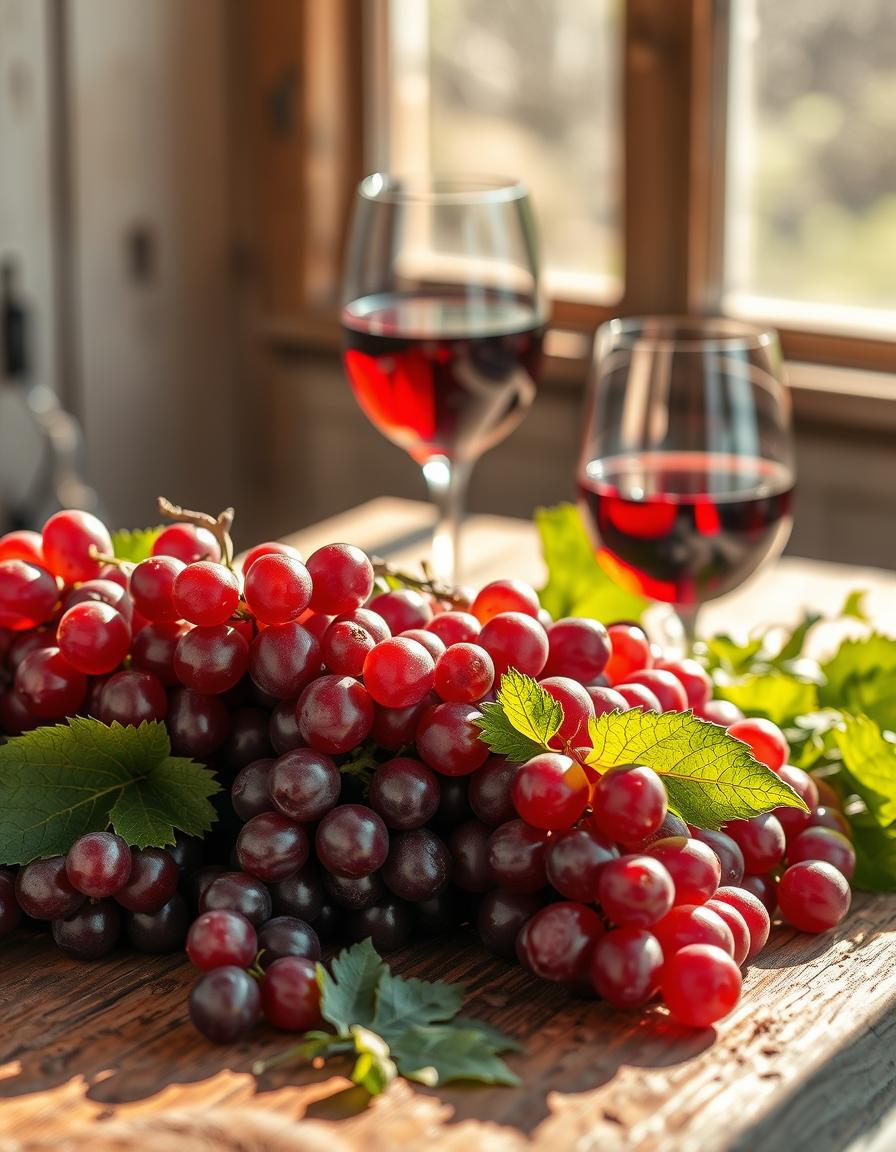
Aging is something everyone thinks about—how to slow it down, how to look and feel younger, and how to maintain good health as years go by. Among many natural substances that have gained popularity, resveratrol stands out. Found in red grapes, berries, and even peanuts, resveratrol has been studied for its potential role in supporting a healthier, longer life. But can it really help with aging? Let’s explore the science and see what resveratrol aging might mean for you.
What Is Resveratrol?
Resveratrol is a natural compound classified as a polyphenol, which plants produce to protect themselves from damage. It gained attention when scientists noticed that people who drank moderate amounts of red wine seemed to enjoy good heart health despite diets rich in fats. This phenomenon is often called the “French Paradox,” and resveratrol was one of the stars suspected to be behind it.
It’s found mostly in the skins of red grapes, meaning red wine contains more of it than white wine. Besides grapes, some berries like blueberries, cranberries, and mulberries also contain this compound. Even peanuts have a small amount. Because of this, resveratrol supplements quickly became popular among those curious about natural ways to support their health and youthfulness.
How Does Resveratrol Affect Aging?
Resveratrol aging is a hot topic because this compound appears to influence certain biological processes linked to aging. One main way it might work is by activating a group of proteins called sirtuins. Sirtuins help regulate cellular health and protect DNA from damage, which is important because damaged cells can lead to aging signs and diseases.
Scientists have also collected evidence showing resveratrol might improve mitochondrial function—the powerhouses of our cells. Better mitochondria mean better energy production and less oxidative stress, which can otherwise cause cells to wear out faster. In simpler terms, resveratrol might help cells stay healthier for longer.
Animal Studies: Promising But Not Perfect
Many of the exciting studies about resveratrol aging come from experiments with animals. For example, in mice, resveratrol has been shown to extend lifespan and improve heart health. It has also helped animals resist the effects of high-fat diets, such as obesity and insulin resistance.
However, it’s important to remember that results found in animals don’t always translate directly to humans. While these studies offer hope, more human trials are needed to fully understand the benefits and how much resveratrol is needed to see effects.
What About Humans?
When it comes to people, some small studies suggest resveratrol could help improve blood flow, lower inflammation, and reduce the risk of heart disease. Others note improvements in insulin sensitivity and brain function. These are all areas that tend to decline as we age, so resveratrol aging effects here could be valuable.
Yet, the results aren’t consistent across all research. Some studies show little to no benefit, perhaps due to differences in dosages, forms of resveratrol, or the duration of the studies. The tricky part is that resveratrol is not very stable and is quickly broken down in the body, making it hard to get enough of it just through diet or supplements.
How to Incorporate Resveratrol Into Your Routine
If you’re curious about trying resveratrol, here are some ways people usually get it:
- Foods: Eating grapes, berries, and peanuts can add small amounts to your diet. Red wine also contains resveratrol but should be consumed in moderation.
- Supplements: Resveratrol pills are available over the counter in various doses. It’s important to check their quality and talk to your doctor before starting any supplement.
- Topical Products: Some skin creams include resveratrol for its antioxidant properties. If skin aging is your concern, these might offer some benefits alongside other ingredients.
Speaking of skin, if you’re looking for products that combine science and nature to boost your skin’s health, you might want to check out the best age renewal creams available online. These often include antioxidants like resveratrol to help protect skin from daily damage.
Potential Benefits of Resveratrol Aging
| Benefit | How It Helps |
|---|---|
| Antioxidant Protection | Fights free radicals that damage cells, slowing aging signs. |
| Heart Health | Improves blood vessel function and may reduce inflammation. |
| Brain Support | May enhance memory and protect neurons from harm. |
| Metabolic Health | Improves insulin sensitivity and supports healthy weight. |
Possible Side Effects and Considerations
While resveratrol appears safe for most people, some may experience stomach issues, headaches, or skin rashes. It can interact with blood thinners and certain medications, so it’s best to consult a healthcare provider before adding resveratrol supplements to your routine.
Also, because many resveratrol supplements vary in quality and concentration, choosing trusted brands with transparent sourcing is wise. This can ensure you get a product that works effectively.
What Science Still Needs to Answer
The science of resveratrol aging is still young. Researchers are eager to discover the most effective dosage, how it behaves in the human body over the long term, and who might benefit the most from it. Some ongoing studies focus on its effects on age-related diseases like Alzheimer’s, diabetes, and arthritis.
So far, resveratrol shows promise as a natural ally in healthier aging, but it’s no magic potion. Combining it with healthy habits like balanced nutrition, regular exercise, and sufficient sleep will always be the best recipe for feeling younger and living well.
Conclusion
Resveratrol aging offers a fascinating glimpse into how natural compounds might support our bodies as we grow older. Thanks to its antioxidant effects and influence on cellular health, resveratrol could play a role in reducing some signs of aging and promoting better overall health. Although much of the evidence is promising, especially from animal studies, more research is required to fully confirm its benefits in people.
If you decide to explore resveratrol, whether through foods, supplements, or skincare, remember that it works best as part of a balanced lifestyle. After all, aging gracefully is less about finding a single secret and more about consistent, healthy choices. And if you’re serious about skincare, incorporating products listed among the best age renewal creams can give your skin that little extra boost it deserves.

Hey, I’m Zara! I’m all about simple, healthy living and feeling your best every day. On this blog, I share easy wellness tips, real talk about health, and small changes that make a big difference. Let’s keep it real, stay inspired, and feel good, together.