
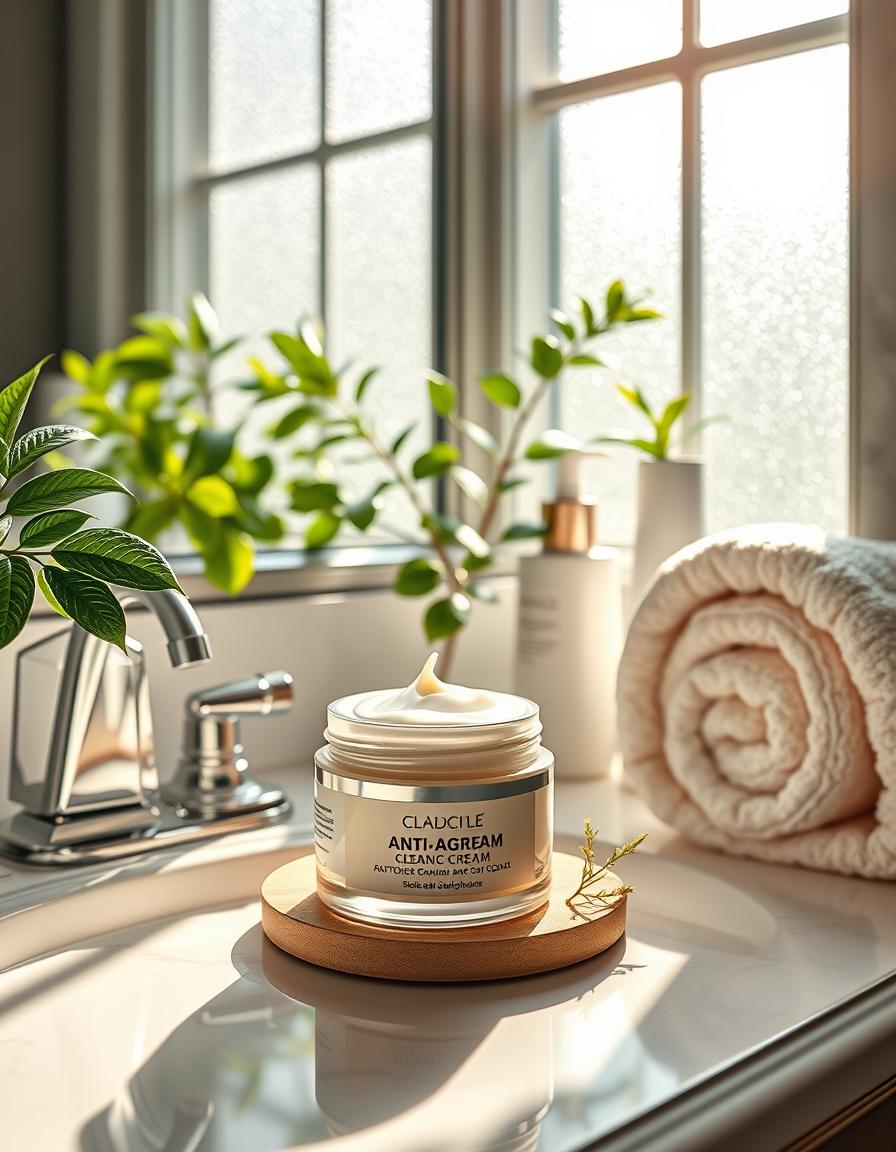
When you spot those first tiny lines or notice your skin feeling a bit less bouncy, it’s natural to wonder if you should start using an anti-aging cream. Some people swear by starting early, while others think it’s better to wait until signs of aging are obvious. But is it really too soon to use anti-aging cream in your 20s or 30s? Let’s break down the myths and facts to help you make a smart choice about your skincare routine.
Understanding Anti-Aging Creams
Anti-aging creams are skincare products designed to reduce or prevent signs of aging like wrinkles, fine lines, and dark spots. They often contain ingredients like retinol, peptides, antioxidants, and hyaluronic acid. These components aim to improve skin texture, boost collagen production, and keep your skin hydrated.
However, there’s no magic potion that stops time. Think of anti-aging creams as a way to support your skin’s natural processes rather than completely reverse aging. Choosing the right formula and knowing when to start can influence how effective these creams are.
Myths About Using Anti-Aging Cream Early
Myth 1: Anti-Aging Cream Is Only for Older Adults
Many believe anti-aging creams are meant for people who already have wrinkles or sagging skin. Actually, anti-aging products can be useful much earlier. Starting preventive care in your 20s or 30s helps maintain skin elasticity and hydration, which can delay the appearance of wrinkles later.
Myth 2: Using Anti-Aging Cream Too Early Causes Dependence
Some say your skin can get “used” to anti-aging creams and stop responding if you start too soon. This isn’t true. Your skin doesn’t build a tolerance to these ingredients like it would to medicine. Instead, consistent use encourages healthier skin cell turnover and protection against damage.
Myth 3: They Are Expensive and Not Worth It for Younger Skin
Sure, some anti-aging creams come with a hefty price tag. But simpler, affordable products with key ingredients can still provide benefits for younger skin. It’s about choosing the right product based on your skin type, budget, and lifestyle.
Facts About Starting Anti-Aging Cream Early
Fact 1: Prevention Is Better Than Repair
Think of your skin like a car. Regular oil changes and maintenance prevent big problems down the road. Using anti-aging cream early works similarly—it helps prevent damage from sun exposure, pollution, and daily wear and tear.
Fact 2: Ingredients Matter
Not all anti-aging creams are the same. For younger skin, creams with antioxidants like vitamin C and hydrating agents like hyaluronic acid are excellent choices. Retinol and stronger acids can be introduced gradually, but may be better suited for more mature skin types.
Fact 3: Consistency Is Key to Success
You won’t see results overnight. Using an anti-aging cream consistently, often daily, is what yields visible improvements over time. Skipping days or once in a while won’t help much.
| Ingredient | Best for Age Group | Benefits |
|---|---|---|
| Vitamin C | 20s and up | Brightens skin, protects against sun damage |
| Hyaluronic Acid | All ages | Hydrates and plumps skin |
| Retinol | 30s and up | Promotes cell turnover, reduces wrinkles |
| Peptides | 30s and up | Boost collagen production |
Signs You Should Consider Starting Anti-Aging Cream
- Dryness or dullness: If your skin starts feeling less hydrated, anti-aging cream with moisturizing ingredients can help.
- Fine lines: The earliest lines around your eyes or mouth are good indicators to begin gentle anti-aging care.
- Sun exposure: If you spend lots of time outdoors, using antioxidant creams can protect skin damage.
- Uneven skin tone or texture: Changes in your skin’s smoothness might be helped by ingredients that boost cell turnover.
How to Choose the Right Anti-Aging Cream
Picking the best anti-aging cream depends on your skin’s needs. Here are some tips to ensure you choose wisely:
- Know your skin type: Oily, dry, combination, or sensitive skin require different formulas.
- Look for gentle ingredients: Start with antioxidants and hydration before moving to stronger compounds.
- Check for sun protection: Some creams include SPF, which is crucial to prevent further aging.
- Patch test: Always test a small area to avoid allergic reactions.
Creating a Simple Skincare Routine
A unique skincare routine doesn’t have to be complicated. Start with cleansing your face gently, then apply the anti-aging cream. Don’t forget sunscreen during the day. At night, you can add a richer moisturizer or night cream if your skin feels dry.
When Is It Too Early to Use Anti-Aging Cream?
Honestly, there’s no set age that’s “too early.” If you have healthy, well-hydrated skin, you might not need a full anti-aging product line right away. Sometimes, focusing on sun protection, a good moisturizer, and a healthy lifestyle is enough during your teens and early 20s.
Introducing anti-aging cream too aggressively when your skin doesn’t need it might cause irritation or dryness. That’s why it’s best to observe how your skin changes over time. Consulting a dermatologist can help you decide when to start and which products fit your unique skin.
On a different note, for those who love cooking as a fun hobby, you might enjoy a bit of fine dining at home. If you’re curious about culinary techniques, check out this interesting guide on how to Dry Age Steak at Home—it’s quite the treat!
Conclusion
Starting an anti-aging cream early isn’t a mistake if done thoughtfully. The key is focusing on prevention with gentle ingredients and listening to your skin’s signals. Avoid believing the myths that these products are only for older adults or that early use causes harm. Consistency, protection, and smart product choices can help your skin stay vibrant for years. Remember, aging gracefully is more about caring for your skin regularly than chasing after miracle cures.

Hey, I’m Zara! I’m all about simple, healthy living and feeling your best every day. On this blog, I share easy wellness tips, real talk about health, and small changes that make a big difference. Let’s keep it real, stay inspired, and feel good, together.