
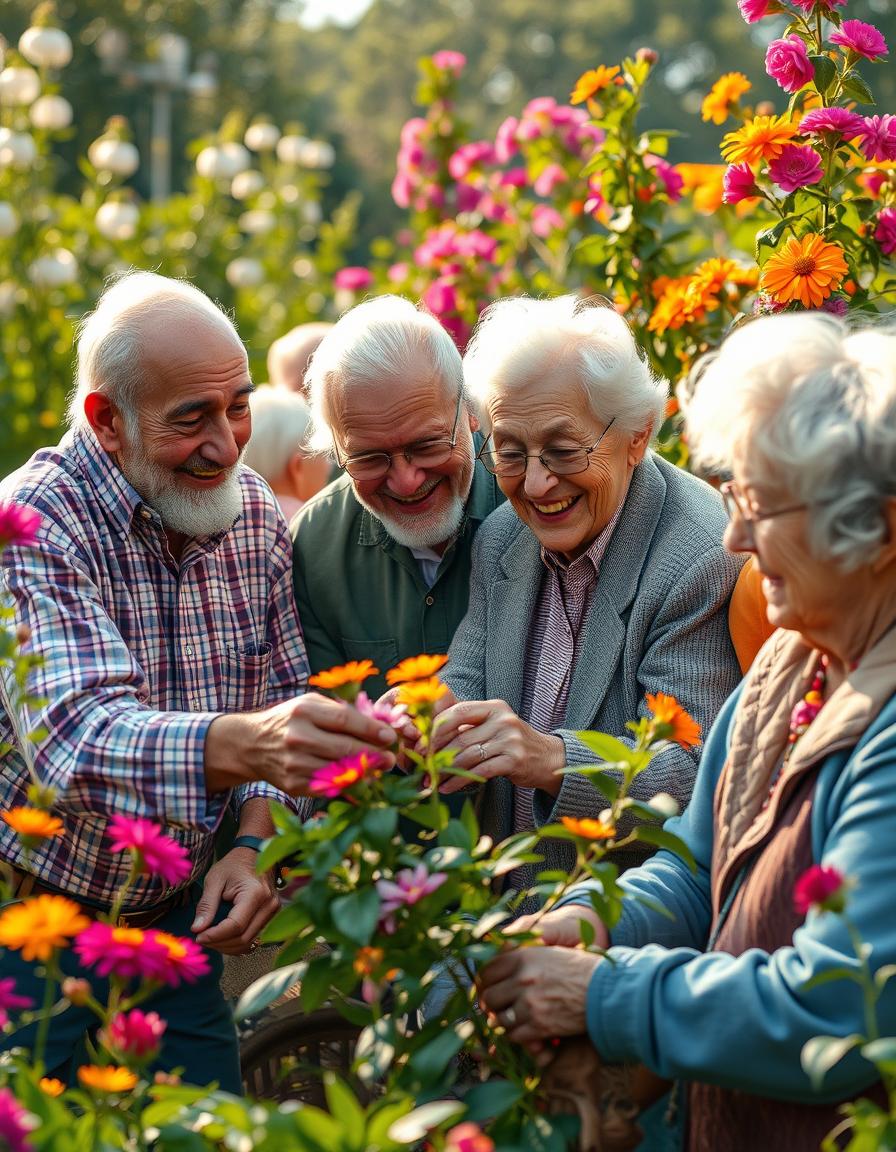
Living past 100 is an extraordinary milestone that sparks curiosity and admiration in many. People who reach this age, often called centenarians, offer valuable clues about aging and longevity. Scientists have been studying these individuals to understand what contributes to their lengthy and often healthy lives. Insights from their lifestyles, genetics, and environments shed light on how to approach living past 100 aging with vitality and joy.
What Makes Centenarians Different?
Centenarians have always intrigued researchers because they seem to enjoy life for much longer than average. Many of them live independently, maintain sharp minds, and avoid serious diseases well into old age. But what exactly sets them apart? The answer lies in a combination of factors, including genetics, habits, and social connections.
Genetic Factors
Genes play a role in how some people age. Scientists have discovered certain gene variants that may protect against heart disease, cancer, and other illnesses common in old age. However, genetics isn’t the whole story. Someone might have genes favoring longevity but still live a shortened life due to lifestyle choices.
Lifestyle Choices
Many centenarians share lifestyle habits that promote health. These include regular physical activity, a balanced diet rich in vegetables and healthy fats, and avoiding smoking and excessive alcohol. For example, people in regions known for high rates of living past 100 aging often eat simple, plant-heavy meals and stay active through daily tasks.
Social Engagement
Maintaining relationships and community ties seems to be a common thread as well. Social interaction provides mental stimulation, emotional support, and a sense of purpose. These elements are essential for a fulfilling life that lasts a century or more.
Lessons from Centenarian Diets
One of the most studied aspects of living past 100 aging is diet. The foods people eat appear to have a significant impact on their longevity. Many of these individuals enjoy meals that are fresh, minimally processed, and often plant-based.
| Region | Common Foods | Key Benefits |
|---|---|---|
| Okinawa, Japan | Sweet potatoes, vegetables, tofu, fish | High antioxidants, low calories, balanced nutrients |
| Sardinia, Italy | Whole grains, beans, garden vegetables, cheese | High fiber, plant proteins, healthy fats |
| Ikaria, Greece | Olive oil, wild greens, legumes, herbal teas | Anti-inflammatory, heart healthy, low processed foods |
Interestingly, a common theme in these diets is calorie control. Eating just enough but not too much helps to maintain a healthy weight and reduce the risk of chronic diseases. If you’re curious about maintaining flavor without extra calories, you might enjoy this low calorie mayonnaise recipe. It’s a simple way to enjoy creamy dressings while sticking to healthier portions.
Physical Activity’s Role
Most people who live past 100 aging keep their bodies moving, whether through formal exercise or daily chores. Walking, gardening, and even light housework help maintain muscle strength and flexibility. These activities also support heart and lung health.
Here’s a quick list of daily habits common among centenarians:
- Walking or moving for at least 30 minutes
- Doing light stretching or yoga
- Spending time outdoors in natural light
- Engaging in hobbies that require hand-eye coordination
Staying active doesn’t mean running marathons; it’s about consistency and enjoying movement as part of everyday life.
Mental Health and Positive Outlook
Another surprising factor in aging well is attitude. Centenarians often share a positive outlook, resilience, and a good sense of humor. They tend to adapt well to change and find joy in simple pleasures, whether that’s family, nature, or a favorite pastime.
Mental stimulation is equally important. Reading, puzzles, learning new skills, or social games keep the brain engaged. This mental exercise may delay cognitive decline, helping maintain independence longer.
Stress Management
Handling stress effectively is an underrated part of living past 100 aging. Chronic stress can damage the body and mind over time. Many elders in long-lived communities practice relaxation through meditation, prayer, or spending quiet time alone or with loved ones. These small rituals can make a big difference.
Environmental and Social Factors
The environment where a person lives also influences longevity. Clean air, low noise pollution, and access to safe outdoor spaces encourage physical activity and relaxation. Community support—like neighbors checking in or shared meals—creates a safety net that promotes health.
| Factor | Impact on Longevity |
|---|---|
| Clean Environment | Less pollution-related health risks |
| Community Support | Stronger mental health and reduced loneliness |
| Access to Healthcare | Early detection and treatment of illnesses |
Challenges Along the Way
While learning from centenarians provides hope, living past 100 aging doesn’t come without obstacles. Aging brings changes in mobility, senses, and immune function. Managing these with grace requires patience and adaptation. Fortunately, many people who live long lives develop a remarkable ability to accept and adjust to these changes, often with humor and a light heart.
Conclusion
Scientists studying people who live past 100 have found that longevity is influenced by a mix of genetics, lifestyle, and environment. A balanced diet, regular physical activity, strong social ties, and a positive outlook are key ingredients in the recipe for a long and healthy life. While genetics can give us a head start, the choices we make every day carry immense power over how we age. Embracing movement, connection, good food, and mental wellness can help ensure that living past 100 aging is not just about years, but about quality and happiness along the way.

Hey, I’m Zara! I’m all about simple, healthy living and feeling your best every day. On this blog, I share easy wellness tips, real talk about health, and small changes that make a big difference. Let’s keep it real, stay inspired, and feel good, together.