
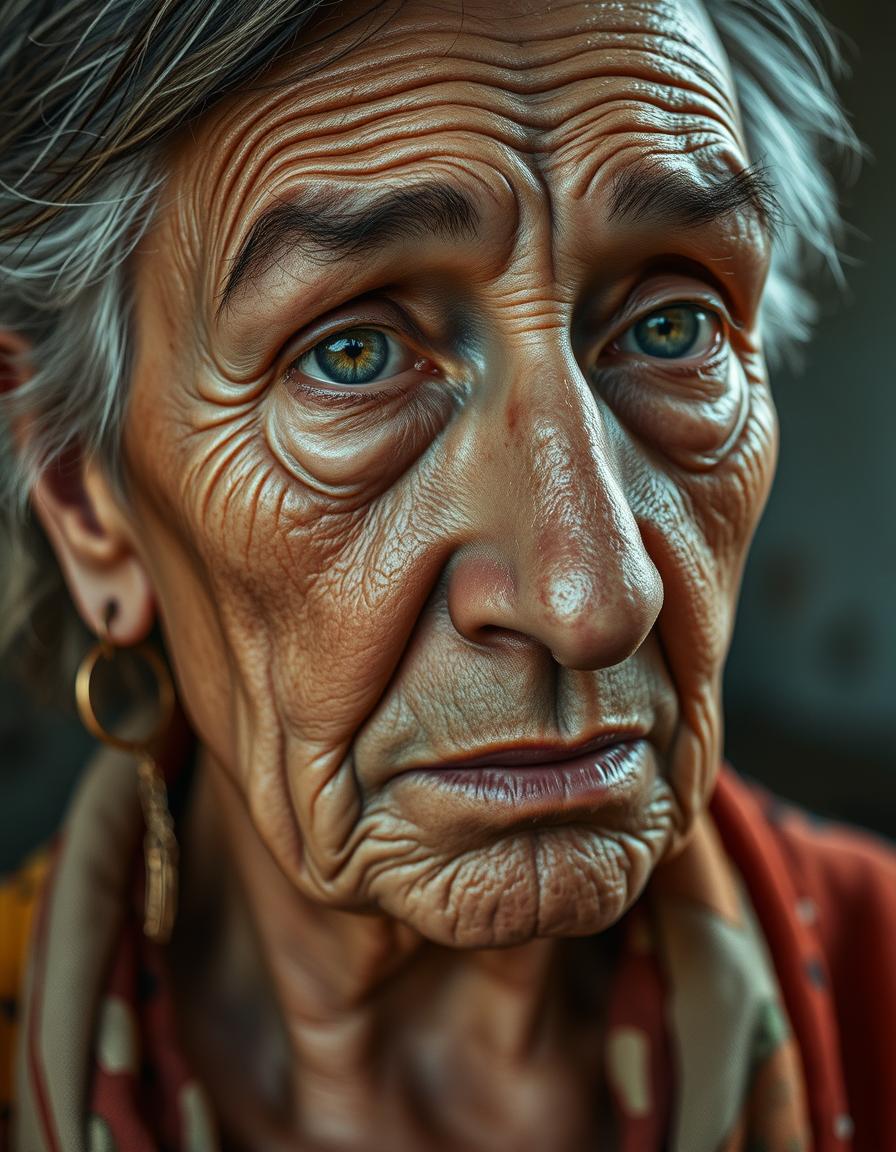
Growing older is something every person will experience, yet many of us seem to have a strong emotional reaction to it. The fear of aging is a common feeling that can shape how we think, behave, and even how we view ourselves. But why do so many of us dread getting older? From wrinkles to retirement, aging can stir up a mix of worries and uncertainties. Exploring this fear through a psychological lens helps us understand these feelings better and may even guide us to embrace aging with greater peace.
The Roots of Fear: Why Aging Scares Us
Our fear of aging often comes from a few deep-seated concerns. When people think about getting older, many imagine losing their health, independence, or relevance. These thoughts can trigger anxiety because they touch on our basic human needs for safety and belonging.
The Loss of Control
One reason the fear of aging is so powerful is the feeling of losing control. As we age, we encounter changes that are largely outside our influence, such as physical limitations or cognitive shifts. This loss of control feels uncomfortable because people naturally want to steer their own lives. When things happen beyond our hands, we might feel vulnerable or helpless.
Fear of Declining Health
Almost everyone dreads the idea of illness or disability that can come with older age. It’s natural to want to avoid pain or suffering, and this fear can loom large in our minds. Worrying about health can also extend into concerns about becoming a burden to family members, which adds another layer of stress.
Social and Cultural Messages
Our culture plays a big role in shaping how we feel about aging. In many societies, youth is celebrated while old age is often portrayed negatively. Advertisements, movies, and media stories tend to highlight beauty, energy, and success in younger people, which can make growing older seem less desirable. This constant bombardment can influence our self-esteem and fuel the fear of aging.
Psychological Effects of the Fear of Aging
This fear is not just about what happens physically; it also impacts our minds and emotions. Understanding these psychological effects is key to finding healthier ways to cope.
Impact on Self-Identity
Many people tie their self-worth to their appearance, accomplishments, or social status. When aging changes any of these, it can make identity feel shaky. For example, someone who valued their youthful looks might struggle with acceptance as wrinkles appear. This struggle can lead to feelings of loss or sadness.
Anxiety and Depression
The fear of aging can sometimes lead to anxiety or depression. Worrying about the future might keep someone awake at night or make it hard to enjoy the present. These feelings aren’t a sign of weakness but natural responses to significant life changes.
Behavioral Impact
Fear of aging can change how people act. Some might avoid certain activities, like social events or exercise, thinking those are for younger folks. Others might go to extremes, spending lots of money on anti-aging products or cosmetic procedures. These behaviors show how powerful the fear can be and how it drives choices.
How to Address the Fear of Aging
Facing the fear of aging doesn’t mean pretending it’s not there but learning to accept and manage it. Here are some ways to do just that:
| Strategy | Description | Benefits |
|---|---|---|
| Mindfulness and Meditation | Practicing presence and acceptance of the current moment | Reduces anxiety, improves emotional resilience |
| Maintaining Social Connections | Staying engaged with friends, family, and community | Enhances mental health, decreases feelings of isolation |
| Healthy Lifestyle Choices | Eating well, exercising, and getting enough sleep | Supports physical health and boosts mood |
| Positive Reframing | Focusing on strengths and opportunities in aging | Improves self-esteem, fosters acceptance |
Finding Joy in New Chapters
Aging also opens doors to new experiences, like hobbies, relationships, and wisdom gained over the years. Embracing these can help shift the focus away from fear. Even simple actions, such as trying a new recipe or joining a club, can bring excitement and fulfillment. For example, there’s a delightful broccoli crunch salad recipe that’s fresh, easy, and perfect for anyone looking to eat healthier and feel great—small joys like this remind us that life keeps offering tasty surprises.
Common Myths That Feed the Fear
- “Aging means losing all independence.” While some people may need help as they age, many live fully independent lives well into their later years.
- “Older adults are always lonely.”strong> Plenty of seniors maintain rich social lives and meaningful relationships.
- “Physical decline is rapid and inevitable.”strong> With good habits, many enjoy strong health and mobility for decades.
Challenging these myths can help reduce the fear and support a more balanced view of aging.
Why We Need to Change Our Story About Aging
We tend to treat aging like a villain in a story, but maybe it’s time to think of it as a wise, if mischievous, guide. Changing how society talks about growing older can help individuals feel more comfortable and confident. Positive attitudes toward aging have been linked to better health outcomes and longer life spans.
By shifting focus away from loss and toward growth, we create a culture where aging is seen as natural and valuable. This change benefits everyone, young or old.
Conclusion
The fear of aging is a natural feeling shaped by many psychological and social factors. It emerges from worries about control, health, and how society values youth over age. However, understanding this fear helps us realize it doesn’t have to dominate our lives. By practicing acceptance, staying connected, and embracing new opportunities, aging can be less frightening and more enriching. Remember, aging is a journey with its ups and downs, but it also brings unique chances for joy and wisdom. So, the next time you ponder growing older, think of it as adding more chapters to an ongoing adventure rather than an ending to fear.

Hey, I’m Zara! I’m all about simple, healthy living and feeling your best every day. On this blog, I share easy wellness tips, real talk about health, and small changes that make a big difference. Let’s keep it real, stay inspired, and feel good, together.