
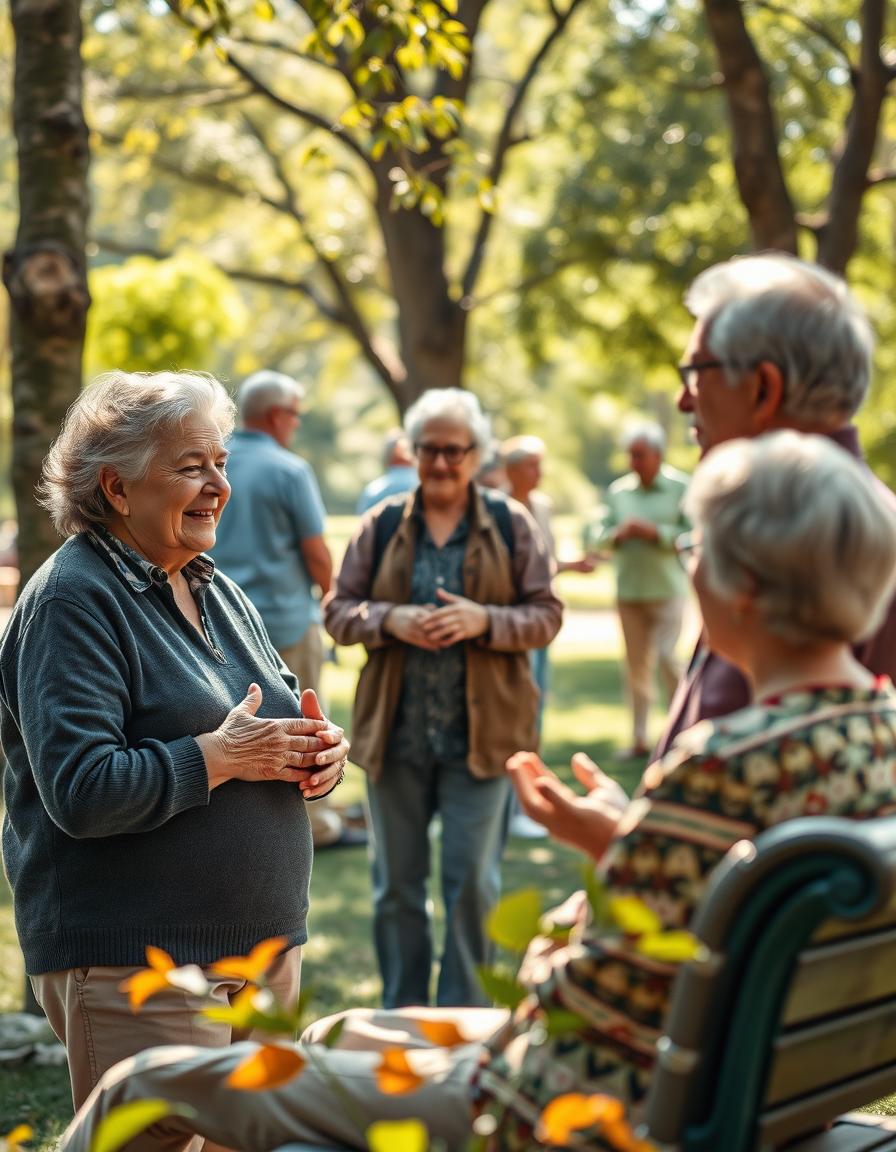
Understanding how people grow and change as they age is fascinating. George Vaillant’s research sheds light on adult development and aging, offering insights into what helps people live healthier, happier lives as they grow older. His studies, often referred to as the vaillant aging studies, track people over many decades to see how their experiences and choices affect their mental and physical well-being.
The Origins of Vaillant’s Adult Development Studies
George Vaillant, a psychiatrist and researcher, became well-known for his work in adult development by following groups of men over several decades. The studies began in the 1940s and focused on the long-term outcomes of these men, including their happiness, mental health, and physical health as they aged. Unlike many studies that look at short snapshots in time, Vaillant’s research carefully observed participants from young adulthood into old age.
This long-term approach gave a unique window into how personality, habits, and life events shape aging. The vaillant aging studies highlight that our well-being later in life is influenced by how we live when we’re younger and middle-aged. This makes the research incredibly valuable for anyone curious about what helps people age well.
Key Findings From the Vaillant Aging Studies
1. The Importance of Emotional Health
One surprising takeaway from Vaillant’s work is how crucial emotional health is for aging well. Being mentally resilient and having good emotional coping skills predicted better outcomes in old age. People who could handle stress without falling apart tended to live longer and healthier lives.
Vaillant categorized coping styles into four types:
| Coping Style | Description | Example |
|---|---|---|
| Mature | Using humor, altruism, or suppression to manage stress. | Making jokes during tough times or helping others. |
| Immature | Using denial or fantasy to avoid reality. | Refusing to accept problems or daydreaming instead of acting. |
| Neurotic | Experiencing anxiety, obsession, or passive aggression. | Being nervous about things or indirect anger. |
| Psychotic | Extreme withdrawal or delusion under stress. | Disconnecting from reality completely. |
The vaillant aging studies found that those using mature coping styles had better mental and physical health decades later. This means how people handle stress early in life can shape their later years.
2. The Role of Relationships in Aging
Vaillant’s work also underscores the power of close relationships. Participants with strong connections to family and friends were more likely to be happy and well-adjusted as they aged. Chronic loneliness or social isolation, on the other hand, was linked to poorer outcomes.
Close friendships and a loving family act as a safety net, providing emotional support in tough times and encouragement to maintain healthy habits. It’s like having a built-in cheering squad throughout life’s ups and downs.
- Regular social interactions boost mental clarity and reduce stress.
- Supportive relationships encourage healthier lifestyle choices.
- Feeling connected can protect against depression and anxiety.
3. Habits and Lifestyle Matter
The vaillant aging studies repeatedly showed that lifestyle choices matter a great deal. Avoiding smoking, limiting alcohol, staying physically active, and maintaining a healthy weight all contributed to longer, happier lives. Vaillant often joked that “the best prescription for a good old age might be a daily dose of laughter, some exercise, and friends.”
One interesting fact from the studies is that people who found meaningful work or hobbies and stayed curious tended to age more gracefully. This highlights that physical health alone isn’t enough—mental stimulation and purpose also play key roles.
Lessons From Vaillant’s Research for Everyday Life
What can we learn from these studies? Here are some practical tips based on Vaillant’s findings:
- Build strong relationships. Spend time with family and friends. Join clubs or groups you enjoy.
- Develop mature coping skills. Practice humor and empathy. Avoid denial and wishful thinking when problems arise.
- Stay physically active. Even simple walking or gardening counts.
- Keep your mind sharp. Read, learn new skills, and engage in stimulating conversations.
- Find meaning. Whether through work, hobbies, volunteering, or faith, having purpose boosts well-being.
Oh, and a little fun fact: Vaillant’s team found that diets rich in omega-3 fatty acids, which support brain health, are a bonus. If you’re curious about simple ways to include healthy protein sources in your diet, check out this link about Chicken of the Sea sardines nutrition. They’re surprisingly tasty and packed with benefits.
How Vaillant’s Studies Differ From Others
What makes the vaillant aging studies stand out is their duration and depth. Many research projects last a few years or focus on small groups. Vaillant followed the same individuals for up to 75 years, capturing changes across a lifetime. This gave a clearer picture of cause and effect that other studies might miss.
Moreover, he didn’t just look at physical health but combined it with psychological well-being, social bonds, and life satisfaction. This holistic approach helps paint a richer story of aging that feels relatable and hopeful.
A Table of Vaillant’s Core Factors for Healthy Aging
| Factor | Description | Impact on Aging |
|---|---|---|
| Mature Coping Mechanisms | Positive emotional strategies to handle stress. | Better mental health and longer life expectancy. |
| Strong Social Bonds | Close family and friendships. | Increased happiness and resilience. |
| Physical Health Habits | Exercise, no smoking, moderate drinking. | Lower risk of disease, better mobility. |
| Mental Stimulation | Engagement in learning and curiosity. | Preserved cognitive function in old age. |
| Sense of Purpose | Having meaningful roles or goals. | Increased life satisfaction and motivation. |
Conclusion
George Vaillant’s work through the vaillant aging studies offers timeless advice: aging well depends on a mix of emotional health, good relationships, healthy habits, and a sense of meaning. His unique research reminds us that how we live in early and middle adulthood sets the stage for our later years. By embracing mature coping skills, nurturing social bonds, taking care of our bodies, and keeping our minds active, we can increase the chances of aging with joy and dignity.
So next time you face a tough day, try cracking a joke or reaching out to a friend—it might just be a secret ingredient to a thriving old age.

Hey, I’m Zara! I’m all about simple, healthy living and feeling your best every day. On this blog, I share easy wellness tips, real talk about health, and small changes that make a big difference. Let’s keep it real, stay inspired, and feel good, together.