
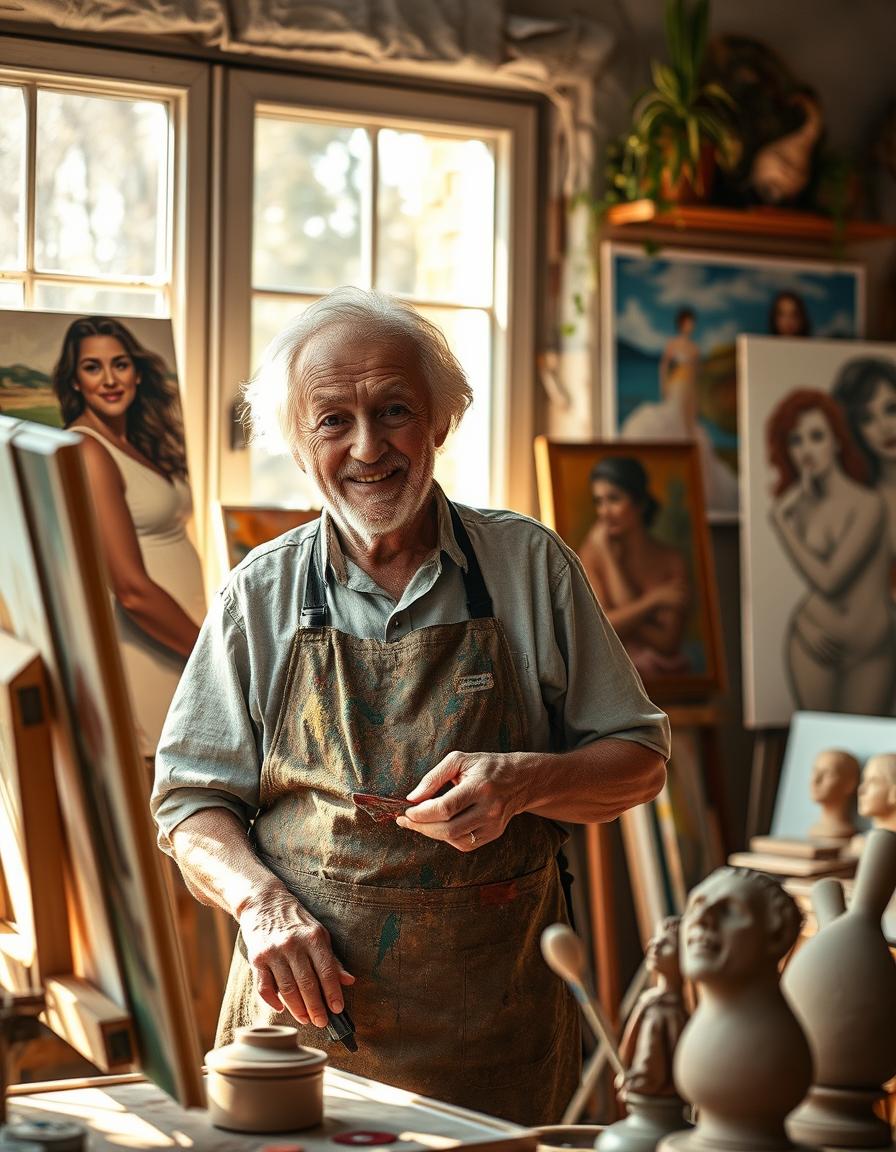
Growing older is a natural part of life, but who says it has to mean slowing down or losing your spark? Many people find that staying creative can play a big role in aging gracefully. Creativity aging is about using your imagination, curiosity, and problem-solving skills to keep your brain and spirit active. Whether through painting, writing, gardening, or even cooking, engaging your creative side can bring joy, improve mental health, and even boost physical well-being as you age.
The Link Between Creativity and Healthy Aging
It’s often said that you’re only as old as you feel, and creativity helps with that feeling. When you take time to be creative, your brain forms new connections that can improve memory and concentration. Scientists have found that creative activities stimulate parts of the brain responsible for emotion, memory, and reasoning. This stimulation can help slow down cognitive decline and even reduce the risk of diseases like dementia.
Beyond mental health, creativity aging encourages emotional well-being. Creating something unique, whether it’s a song, a story, or a garden design, gives a sense of accomplishment and purpose. This can combat feelings of loneliness and depression that some older adults face.
How Creativity Supports Brain Health
- Neuroplasticity: Trying new creative activities builds new neural pathways, keeping the brain adaptable.
- Memory Enhancement: Focusing on details in creative projects can improve recall.
- Stress Reduction: Creative tasks often act like meditation, lowering stress hormones.
Why Emotional Wellness Matters
As people age, social circles might shrink, and routine can set in. Engaging in creative hobbies offers a way to express feelings and connect with others. Joining a painting class or a writing group can bring new friendships and conversations. This sense of community and emotional expression ensures a happier and more fulfilled life.
Physical Benefits of Staying Creative
Creativity aging isn’t just about the mind—it can help your body too. For example, dancing, which is both an art and exercise, improves balance and coordination. Gardening gets you moving outdoors, exposing you to sunlight for vitamin D. Even crafting can involve fine motor skills that keep your hands nimble.
Physical activity combined with creative expression leads to a healthier lifestyle. If you want to encourage the younger generation or reminisce about your childhood, activities like kids stretching quads can be a fun and playful way to stay active while promoting flexibility and strength.
Creative Activities That Encourage Graceful Aging
If you’re wondering how creativity aging looks in practice, here are some activities that blend fun with health benefits:
| Activity | Benefits | How to Get Started |
|---|---|---|
| Painting or Drawing | Boosts creativity, reduces stress, improves hand-eye coordination | Start with simple supplies and follow online tutorials or local classes |
| Gardening | Encourages physical movement, exposure to nature, and mindfulness | Grow easy plants or herbs in pots or a small garden |
| Writing or Journaling | Enhances memory, emotional expression, and cognitive processing | Set aside a few minutes daily to jot down thoughts, stories, or poems |
| Dancing | Improves balance, coordination, and cardiovascular health | Follow dance videos or join a local dance group |
| Cooking New Recipes | Stimulates senses, encourages learning, and promotes social interaction | Try new dishes from different cultures or invent your own meals |
Overcoming Common Barriers to Creativity in Later Life
Some might feel that creativity is for the young or that they lack talent. But creativity aging proves otherwise; it’s about expression, not perfection. Here are a few ways to overcome common roadblocks:
- Fear of Failure: Remember, mistakes are part of learning. Every artist has a few “oops” moments!
- Lack of Time: Even 10 minutes a day can spark your creative side.
- Feeling Isolated: Join clubs, online forums, or community centers to share your work.
- Physical Limitations: Adapt activities to your comfort level—try voice recording if writing is hard or use larger brushes for painting.
Real-Life Stories That Inspire
Take Margaret, for example. At 75, she took up pottery after retiring. What started as a hobby became a way to connect with new friends and relieve joint pain by gently shaping clay. Or Henry, who began writing poetry in his 80s, finding a way to capture his memories and emotions. Their stories show that creativity aging is more about the journey than the destination.
Tips to Encourage Creativity Every Day
Creativity doesn’t always mean grand projects. Small habits can make a big difference:
- Keep a sketchbook or journal handy for ideas and doodles.
- Try a new recipe once a week to keep things fresh and exciting.
- Mix up your routine—take a different route on a walk or listen to new music genres.
- Set aside “screen-free” creative time to disconnect and focus.
These little nudges keep the brain curious and open to new experiences, helping you stay youthful in spirit.
Conclusion
Creativity aging offers a joyful path to growing older with grace and vitality. It keeps the mind sharp, the heart happy, and the body engaged. Whether you choose painting, dancing, gardening, or simply trying new things, nurturing your creative side ensures a richer, more meaningful life. So grab that paintbrush, pen, or trowel and let creativity be your secret weapon against the tired clichés of aging.

Hey, I’m Zara! I’m all about simple, healthy living and feeling your best every day. On this blog, I share easy wellness tips, real talk about health, and small changes that make a big difference. Let’s keep it real, stay inspired, and feel good, together.