
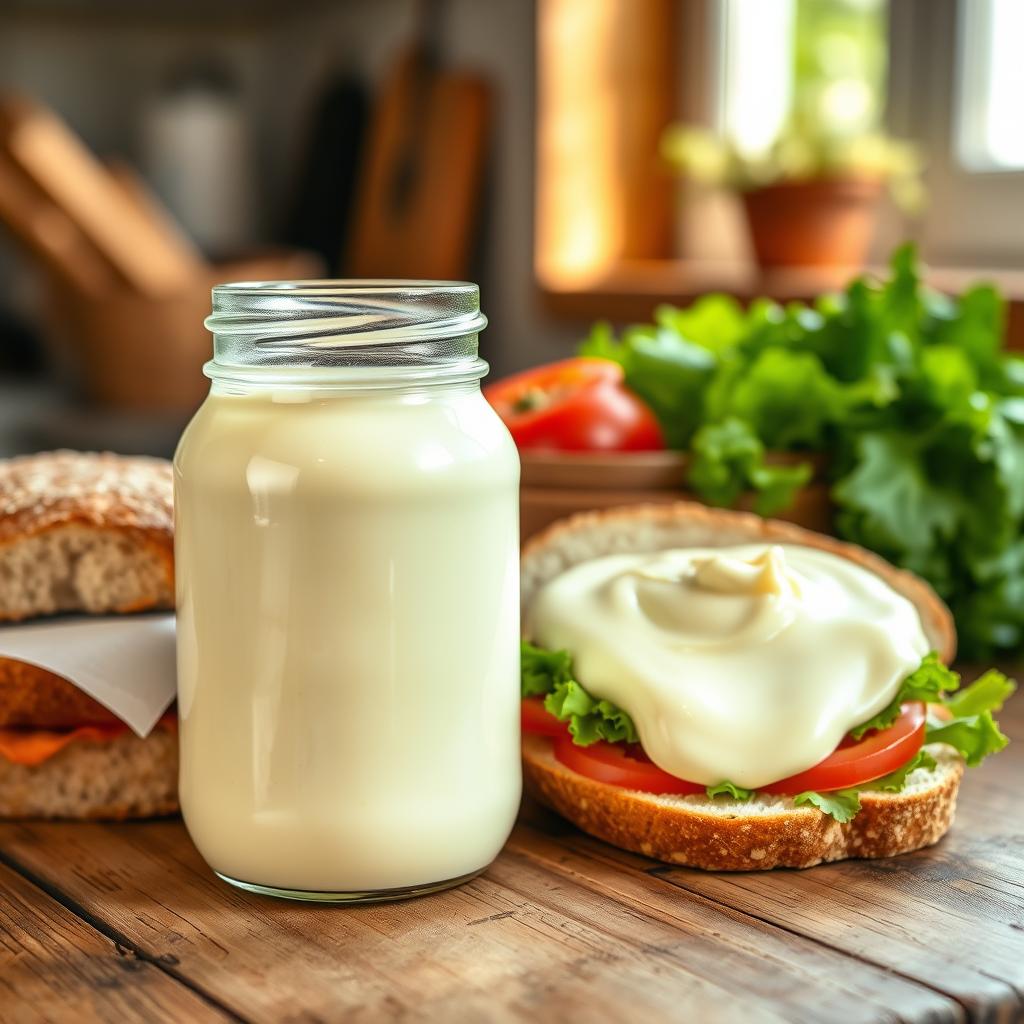
Creamy, tangy, and versatile mayonnaise has long been a staple in kitchens around the world. Whether it’s slathered on a sandwich, mixed into a potato salad, or used to create a velvety dip, this condiment holds a special place in many culinary traditions. Yet, despite its popularity, mayonnaise is often unfairly judged as a dietary villain.Why does mayo get such a bad rap? Its ingredients often come under scrutiny. A typical jar contains oil, egg yolks, vinegar or lemon juice, and sometimes a pinch of mustard or seasoning. While these components are simple, the issue lies in perception. Mayonnaise is calorie-dense due to its high fat content, leading many to label it as “unhealthy.” But is fat inherently bad, or is mayo misunderstood?Let’s step back for a moment:
- The fats in mayo: Most of its fat content comes from oils, which can vary in quality. Many artisanal or homemade mayos use heart-healthy options like avocado oil or olive oil.
- Portion control matters: A spoonful of mayo is not the same as slathering on half a cup. Moderation is key!
- Health benefits: Mayonnaise, especially when made with high-quality oils, can contain essential fatty acids and fat-soluble vitamins.
So, is mayonnaise bad for you? Like most foods, it’s not about the ingredient itself it’s how it’s used. Perhaps it’s time we rethink its reputation instead of letting misconceptions spread.
Why People Think Mayonnaise Is Unhealthy
Mayonnaise has long been a condiment that divides opinions, often landing on the “do not eat” list for health-conscious individuals. But why does this creamy delight have such a bad reputation? Let’s take a closer look at some of the common concerns associated with mayonnaise.
High in Calories and Fat: The Elephant in the Jar
One tablespoon of mayonnaise typically contains around 94 calories and 10 grams of fat, making it a calorie-dense food. A significant portion of this fat content is unsaturated fat, which is generally considered heart-healthy, but it often gets overshadowed by the presence of saturated fat. Saturated fat, frequently linked to weight gain and cardiovascular issues, is one of the reasons people shy away from mayo. However, as with any food, the key lies in moderation.
The Processed Food Stigma
Mayonnaise is commonly viewed as a processed, artificial food, especially when store-bought versions with additives and preservatives dominate supermarket shelves. This association with processed ingredients and “junk food” culture further feeds the perception that mayo has no place in a healthy diet.
Portion Control and Usage in High-Fat Dishes
Another sticking point for mayonnaise critics is its use as an ingredient in notoriously high-fat dishes. Think about it how often do you see mayonnaise in salads loaded with oils (like coleslaw) or as a generous spread on a double-decker cheeseburger? These dishes pile on the calories, and the overuse of mayonnaise doesn’t help its case.
If you’re wondering how mayo compares to other common condiments, the table below breaks down some stats for perspective:
| Condiment | Calories (per tbsp) | Fat (g) | Saturated Fat (g) |
|---|---|---|---|
| Mayonnaise | 94 | 10 | 1.5 |
| Ketchup | 19 | 0 | 0 |
| Mustard | 3 | 0.2 | 0 |
| Ranch Dressing | 73 | 7.7 | 1.2 |
So, Is Mayonnaise Really Bad for You?
It’s not so much that mayonnaise is inherently “bad for you,” but its reputation largely stems from how it’s consumed. Here are the key points to consider:
- Moderation matters: Stick to small amounts instead of slathering it on everything.
- Homemade options: You can make healthier mayo at home using quality ingredients like olive oil and fresh eggs.
- Pair it wisely: Use it sparingly in dishes packed with fresh veggies and lean proteins, rather than fried foods.
Ultimately, mayonnaise gets a bad rap because of overconsumption and its role in heavily caloric dishes. While it’s not a superfood, it can easily be part of a balanced diet when used mindfully.
Nutritional Breakdown of Mayonnaise: What’s Really in the Jar?
Love it or hate it, mayonnaise holds a permanent place in kitchens worldwide. But is mayonnaise bad for you, or is it just misunderstood? Before you spread that creamy dollop on your sandwich, let’s dive into its nutritional profile to uncover the truth.
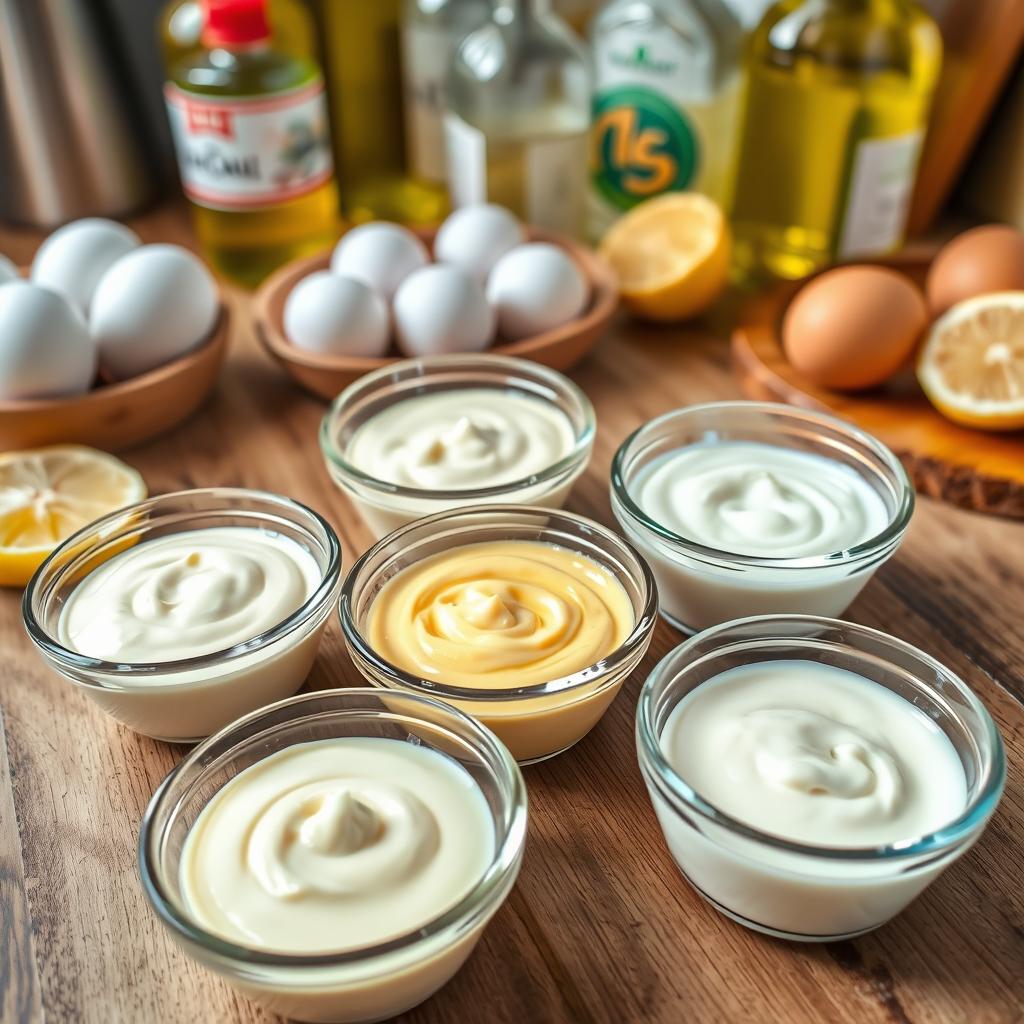
1. Calories & Fat Content
- Unsaturated Fats: The majority of fats in mayonnaise are unsaturated, which can support heart health when consumed in moderation.
- Saturated Fats: A smaller portion (roughly 1.6 grams per tablespoon) might raise a few eyebrows, but recent research suggests this type of fat may not be the dietary villain everyone once thought.
- Omega-6 Fatty Acids: Mayonnaise gets its omega-6s primarily from vegetable oils like soybean or canola. This essential fatty acid is beneficial in small amounts, though balance with omega-3s is key.
2. Cholesterol and Sodium
Cholesterol in mayonnaise clocks in at around 6 milligrams per tablespoon, which can sound daunting when combined with its creamy texture. However, this is well within daily intake limits for most people. Sodium, at approximately 90 milligrams per tablespoon, is moderate but worth noting if you’re tracking salt intake.
3. Micronutrient Perks
What many don’t realize is that mayonnaise offers a small yet notable supply of micronutrients. Vitamin E, derived from the oils, acts as an antioxidant that supports skin and immune health. You’ll also find a sprinkle of Vitamin K, which plays a role in blood clotting and bone health. While you wouldn’t rely on mayonnaise for your daily vitamins, every little bit counts!
4. Comparing Your Options
All mayonnaise isn’t created equal. Let’s examine some popular varieties side by side:
| Type | Calories (per tbsp) | Fat (g) | Micronutrients (Vitamin E & K) |
|---|---|---|---|
| Regular Mayo | 90 | 10 | Yes |
| Light Mayo | 35 | 3 | Minimal |
| Vegan Mayo | 60 | 6 | Yes |
| Homemade Mayo | 90-100 | 10-12 | Depends on ingredients |
So, Should You Keep Mayo in Your Diet?
If used responsibly, mayonnaise can be a flavorful and health-conscious addition to your meals. For those seeking inspiration to incorporate mayo into a balanced lifestyle, why not explore easy healthy meal prep ideas for weight loss. By opting for homemade or alternative versions, pairing it with nutrient-dense dishes, and enjoying it in moderation, you can truly relish its creamy charm without guilt.
Health Pros and Cons of Mayonnaise: More Than Meets the Eye
Is mayonnaise bad for you, or have we been too quick to judge its place in our diets? This creamy condiment often gets a bad rap for being unhealthy, but the truth might surprise you. When made with the right ingredients, mayonnaise can offer unexpected health benefits. Of course, not all mayo is created equal, so let’s dive into both its pros and cons.
Health Benefits of Mayonnaise
Contrary to what many assume, mayonnaise isn’t inherently unhealthy, especially when it’s made with wholesome ingredients like olive oil or avocado oil. These oils are loaded with monounsaturated fats, which can promote heart health and add essential nutrients to your diet. Beyond that, mayonnaise serves a functional purpose in your body:
- Rich in healthy fats: Some versions of mayo provide monounsaturated fats, which support brain and heart health.
- Enhances nutrient absorption: Fat-soluble vitamins such as A, D, E, and K are better absorbed when consumed with healthy fats.
- Customizable at home: Homemade mayo can be free of preservatives and packed with nutrient-dense ingredients.
Potential Downsides of Mayonnaise
While the benefits are clear, it’s essential to be mindful of the downsides, especially if you’re reaching for store-bought versions:
- High calorie content: Mayonnaise is calorie-dense, so overconsumption can quickly lead to weight gain if not moderated.
- Unhealthy fats in some brands: Many commercial mayo brands use refined oils like soybean or canola oil, which are less beneficial than olive or avocado oil.
- Added preservatives and sugars: Processed versions often contain artificial ingredients and added sugars, reducing their health appeal.
Is Mayonnaise Truly Misunderstood?
Ultimately, mayonnaise can be part of a healthy diet when consumed responsibly and when chosen or prepared with nutrient-packed ingredients. Consider making your own mayonnaise at home to control the quality or look for brands using olive or avocado oil for a healthier option. Remember, moderation is key!
Nutritional Comparison: Store-Bought vs. Homemade Mayonnaise
| Nutrient | Store-Bought Mayonnaise | Homemade Mayonnaise |
|---|---|---|
| Healthy Fats | Varies (depends on oil used, often lower quality) | High (olive/avocado oil in homemade versions) |
| Calories (per tablespoon) | 90-100 | 100-110 |
| Artificial Additives | Yes (preservatives, stabilizers) | No |
| Control Over Ingredients | Low | High |
For an extra boost to your overall health and vitality, check out how to look younger for tips on aging gracefully and feeling your best!
Healthier Mayonnaise Alternatives
Mayonnaise often finds itself in the spotlight sometimes praised, but more often misunderstood. If you love its creamy texture but worry about its health implications, here’s some good news: there are plenty of healthier alternatives to traditional mayo that don’t skimp on flavor. Intrigued? Let’s break it down.
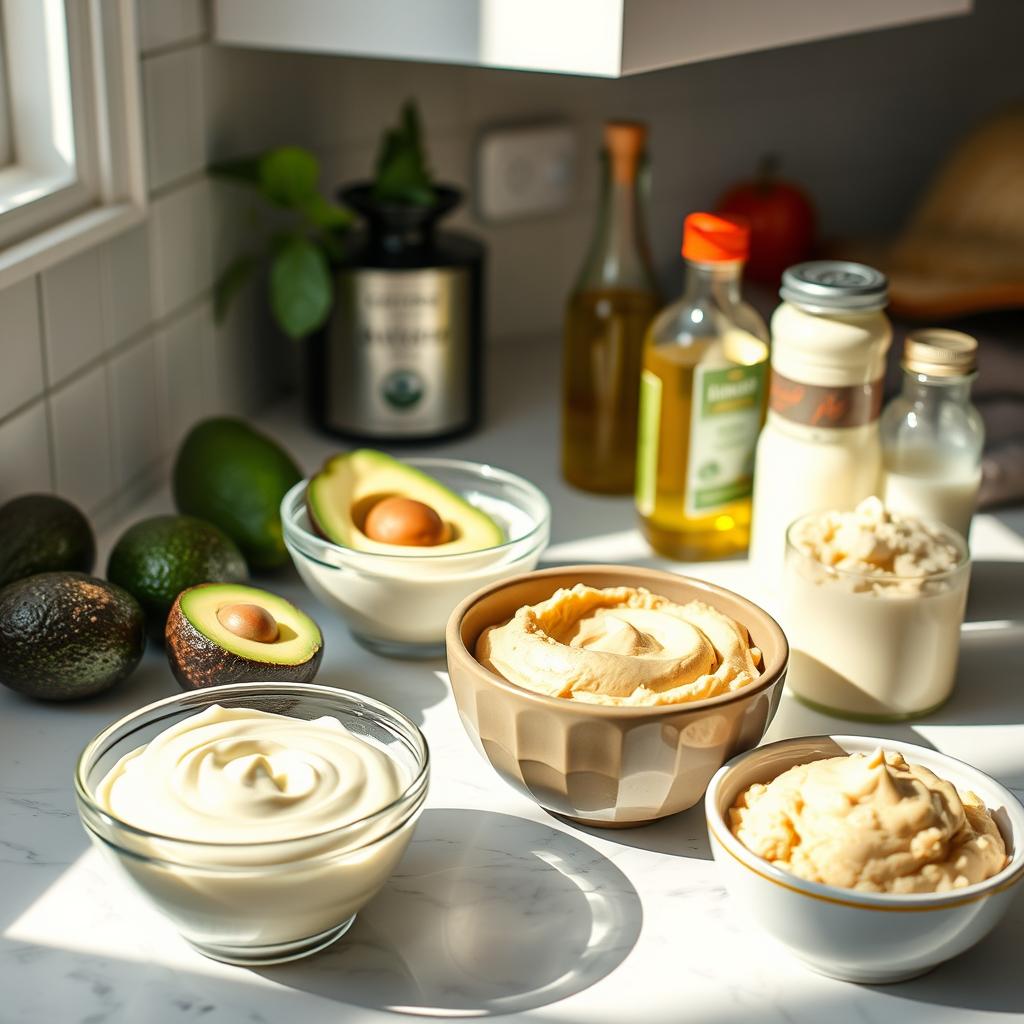
1. Go Avocado-Based
Avocado-based mayo is a game-changer. Made with heart-healthy avocado oil, this alternative packs in monounsaturated fats, which are great for your heart and overall health. It’s a perfect swap for those looking to reduce processed ingredients while still enjoying that rich, creamy consistency.
2. Greek Yogurt: The Protein Boost
If protein is a priority, Greek yogurt might be your new go-to. With its tangy flavor and thick texture, it’s an excellent mayonnaise substitute for spreads and dips. Plus, it’s packed with probiotics, giving your gut health a little extra love.
3. Mash It up: Hummus or Avocado
Who needs mayo when you have hummus or mashed avocado? Both are naturally creamy and bring unique flavors to the table. Hummus adds a savory, nutty undertone, while avocado brings that unmistakable buttery richness. Bonus? They’re nutrient-dense and incredibly versatile.
4. DIY: Homemade Mayo with Olive Oil
Making your own mayo at home isn’t as intimidating as it sounds seriously! By using olive oil instead of highly processed vegetable oils, you can whip up a version that’s not only healthier but completely customizable in terms of flavors. All you need is a whisk, an egg yolk, lemon juice, and a pinch of patience.
5. Light Mayo: What’s Really Different?
Light mayo is another option if you’re keeping an eye on calories. But be mindful of what “light” means often, it simply reduces fat by adding more water or fillers. While it’s a lower-calorie choice, check the ingredient label to avoid unnecessary additives.
At the end of the day, there’s no one-size-fits-all answer to the question: “Is mayonnaise bad for you?” What matters most is finding the version or alternative that works best for your health goals and personal taste. From creamy avocado-based options to protein-packed Greek yogurt, healthier choices abound!
So… Is Mayonnaise Bad for You or Just Misunderstood?
Mayonnaise often gets a bad rap, but is it really as harmful as some claim? The answer, unsurprisingly, is a bit more nuanced than a simple “yes” or “no.” While mayo isn’t a health food, it isn’t the dietary villain it’s sometimes painted to be either. The truth is, whether mayonnaise is good or bad for you depends on a few key factors.
- The type of mayo used: Traditional mayonnaise can be high in calories and fats, but options like those made with avocado oil or olive oil provide healthier fats. It’s also worth checking for clean, minimal ingredients in your favorite brand.
- Portion size: Like any rich condiment, overdoing it can tip your nutritional balance out of whack. Sticking to a tablespoon or two can help you enjoy its creamy texture without overindulging.
- The overall quality of your diet: Mayo isn’t meant to stand alone. When paired with nutrient-dense foods like leafy greens, lean proteins, or whole grains, it can play a complementary role in enhancing flavor without derailing your health goals.
So, how does mayo fit into the big picture? In moderation, mayonnaise can absolutely align with a balanced lifestyle. Healthier versions of this condiment, like those made with heart-friendly oils, might even offer a small dose of health benefits. For example, some contain monounsaturated fats that contribute to better heart health and satiety. Craving more clarity on this creamy topic? Check out mayonnaise good or well‑being for a deeper dive into the myths and facts surrounding mayo. In the end, just remember: balance and moderation are always key!

Hey, I’m Zara! I’m all about simple, healthy living and feeling your best every day. On this blog, I share easy wellness tips, real talk about health, and small changes that make a big difference. Let’s keep it real, stay inspired, and feel good, together.