
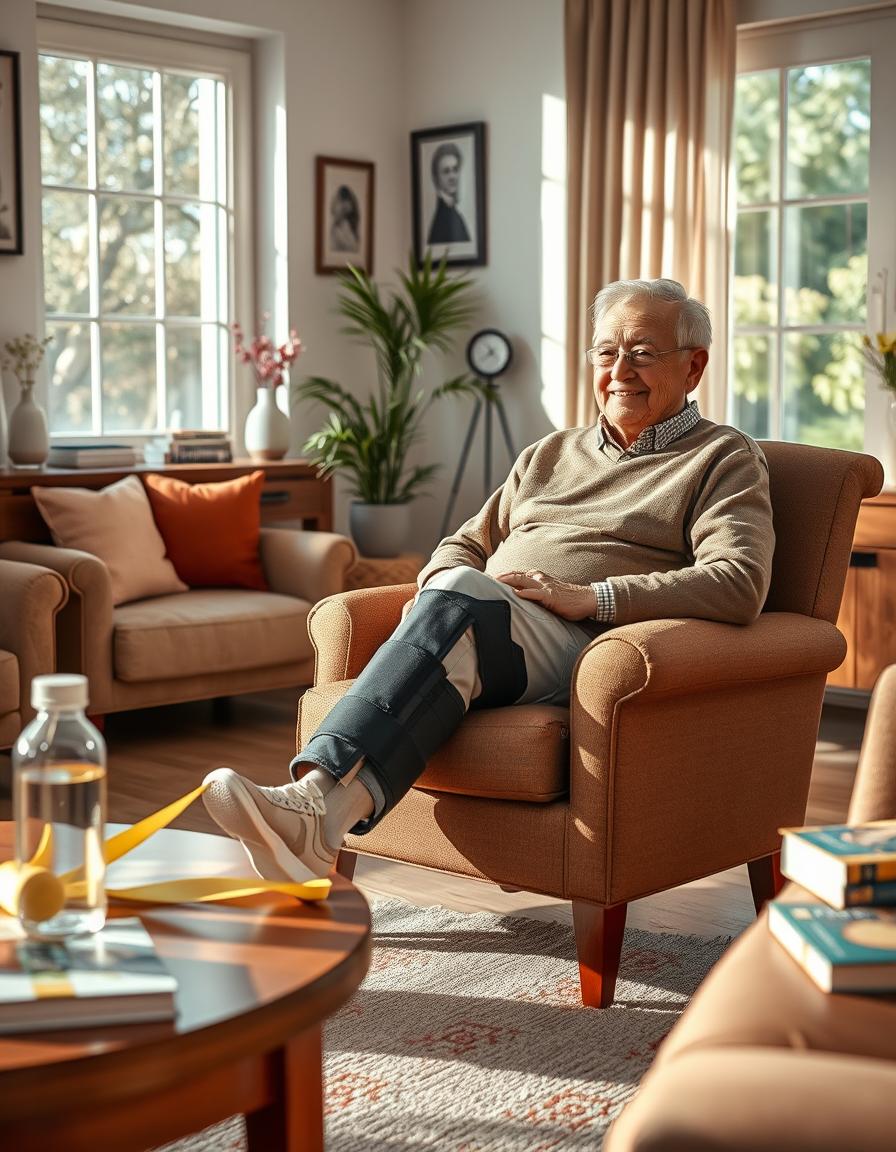
A femur fracture in elderly recovery can be a challenging journey, both physically and emotionally. The femur, or thigh bone, is the longest and strongest bone in the body, and when it breaks, it often leads to significant pain and limited mobility. For older adults, healing takes longer and requires special attention because of other health concerns and slower regeneration. Understanding how to support the healing process can make a huge difference in regaining independence and quality of life.
Understanding Femur Fractures in Older Adults
The femur is critical for activities like walking, standing, and balance. When an elderly person suffers a femur fracture, it often results from a fall or trauma but can sometimes happen due to weaker bones from osteoporosis. Unlike younger people, seniors may face more complications during recovery due to pre-existing conditions such as arthritis, diabetes, or heart problems.
Because bones become more fragile with age, even minor incidents can cause fractures, especially in the hip or upper leg region. The type of fracture (whether it’s a simple break or a complex, shattered bone) also affects recovery time and rehabilitation methods.
Common Causes and Risk Factors
- Falls, especially on hard surfaces
- Osteoporosis leading to brittle bones
- Muscle weakness and poor balance
- Medication side effects causing dizziness
- Previous fractures or bone diseases
Steps for a Successful Recovery
Recovering from a femur fracture in elderly recovery takes patience and consistent care. The goal is to heal the bone while keeping the rest of the body strong. Below are some key steps that help make the process smoother.
Medical Treatment and Surgery
Oftentimes, surgery is needed to realign and stabilize the broken femur. The operation might involve pins, plates, or rods to hold the bone together. After surgery, the doctor will give specific instructions for rest, medications, and physical therapy.
Not every elderly patient is a candidate for surgery. In some cases, doctors may suggest conservative treatment, such as bed rest and immobilization, but this usually results in longer recovery times.
Physical Therapy and Mobility
Once the initial healing phase is over, physical therapy becomes crucial. Therapists focus on strengthening muscles, improving balance, and restoring range of motion. Moving carefully helps prevent complications like blood clots and muscle wasting.
Physical therapy sessions often start with gentle exercises and gradually increase intensity. It’s common to feel frustrated or impatient because progress can be slow, but small steps add up. Walking aids like walkers or canes might be necessary at first.
Nutritional Support
Good nutrition supports bone healing and overall health. Foods rich in calcium and vitamin D are essential, such as dairy products, leafy greens, and fortified cereals. Protein also plays a big role in repairing tissues, so including lean meats, beans, or nuts is helpful.
Sometimes, doctors recommend supplements to ensure the body gets enough nutrients during recovery.
Tips to Ensure a Positive Recovery Experience
Here are some handy tips that caregivers and seniors can use to make femur fracture in elderly recovery more manageable:
| Tip | Explanation |
|---|---|
| Follow Medical Advice | Stick to prescribed medications and therapy schedules to avoid setbacks. |
| Create a Safe Environment | Remove tripping hazards and install grab bars to prevent new falls. |
| Encourage Gentle Movement | Even small daily activities promote circulation and reduce stiffness. |
| Stay Hydrated | Water helps keep joints lubricated and supports overall health. |
| Monitor for Pain or Swelling | Report any unusual symptoms to a healthcare provider immediately. |
The Role of Mental Health
Recovering from a femur fracture is tough on the mind as well. Seniors may feel isolated or discouraged during their limited mobility phase. Staying connected with family and friends, joining support groups, or enjoying hobbies that can be done sitting down will help keep spirits up.
Remember, healing the body and mind go hand in hand, so don’t overlook emotional needs.
Expectations During Femur Fracture in Elderly Recovery
It’s important to set realistic expectations for recovery. Healing is slower than younger adults, and some loss of mobility might remain. However, many elderly patients regain much of their independence with proper care.
Usually, it takes about 3 to 6 months for the bone to heal enough for daily activities. Full recovery, including regaining muscle strength, may take up to a year. Keep in mind that temporary limitations are normal and progress is often gradual.
Regular check-ups and follow-ups are necessary to track healing and adjust treatments as needed.
Common Challenges and How to Handle Them
- Pain Management: Use medications as directed and try relaxation techniques like deep breathing.
- Stiffness: Gentle stretching can help keep joints flexible.
- Fear of Falling: Practice balance exercises and use assistive devices.
- Fatigue: Rest is important but balance it with activity to avoid muscle loss.
Recovering from a femur fracture can feel like climbing a mountain, but with steady effort and support, many seniors reach the summit and enjoy a fulfilling life again.
By the way, while physical recovery is key, taking care of other health needs should not be overlooked. For example, if you or a loved one need dental care during this time, consider options like affordable dentures for seniors to maintain overall wellbeing without breaking the bank.
Conclusion
A femur fracture in elderly recovery requires patience, care, and a positive mindset. The healing process may seem long and sometimes frustrating, but with proper medical treatment, physical therapy, and nutritional support, most seniors regain significant function. Creating a safe environment and addressing emotional health are just as important.
Remember that every individual heals differently, so it’s vital to listen to the body and communicate openly with healthcare providers. Recovery is a journey worth taking to enjoy more quality years with family, friends, and hobbies. Staying hopeful and proactive makes all the difference.

Hey, I’m Zara! I’m all about simple, healthy living and feeling your best every day. On this blog, I share easy wellness tips, real talk about health, and small changes that make a big difference. Let’s keep it real, stay inspired, and feel good, together.