
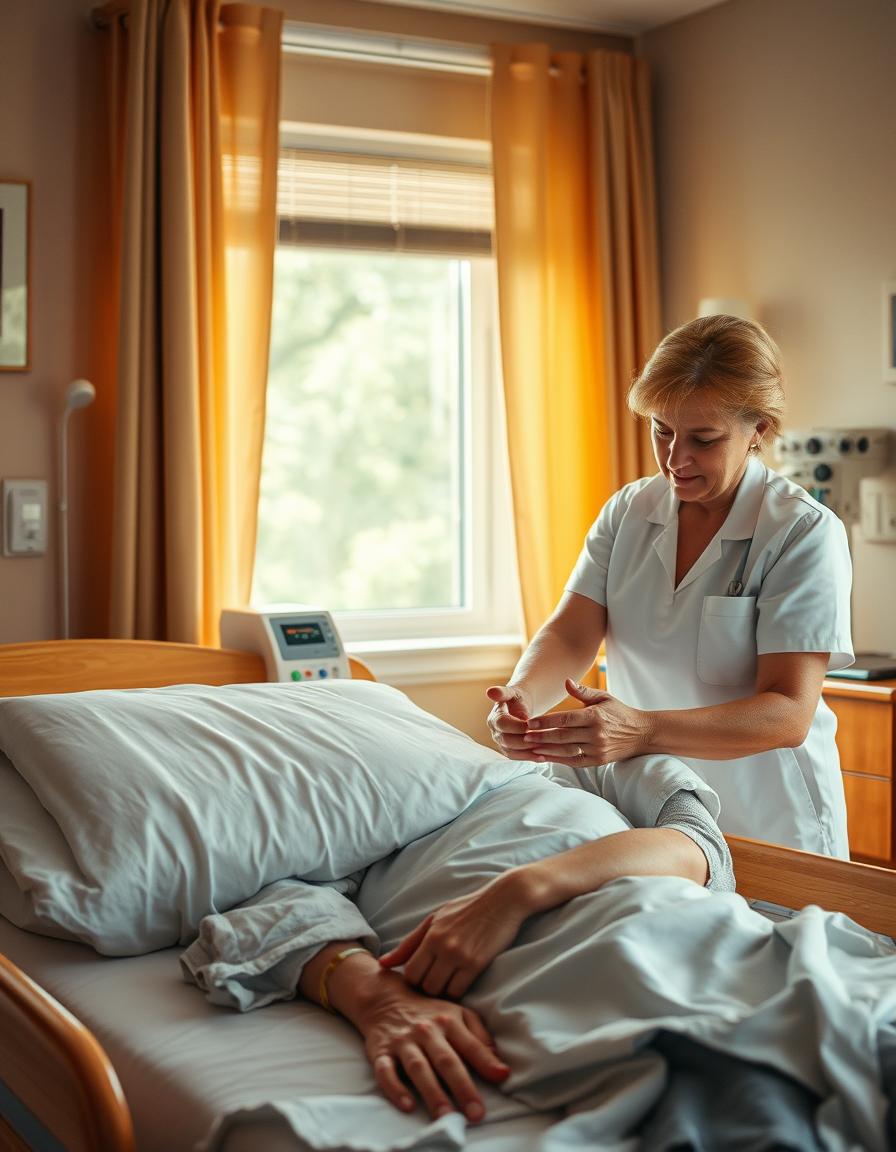
Breaking a femur in old age is more than just a painful injury—it can dramatically affect a senior’s health and future. The femur, or thigh bone, is the longest and strongest bone in the body, and when it breaks, especially in the elderly, it often leads to serious challenges. Understanding the elderly broken femur life expectancy and the road to recovery helps families and caregivers prepare for what lies ahead.
What Happens When an Elderly Person Breaks Their Femur?
A broken femur in elderly individuals usually occurs due to falls or accidents, often linked to weaker bones caused by osteoporosis. Because the bone is vital for walking and supporting body weight, a fracture seriously impacts mobility. Recovery isn’t as simple as just healing the bone; it involves regaining strength, balance, and independence.
Older adults face a higher risk of complications like infections, blood clots, and pneumonia during recovery. The injury itself, combined with existing health issues, can create a perfect storm that affects their overall outlook on life.
Common Causes of Femur Fractures in Seniors
- Falls from standing height
- Osteoporosis weakening bones
- Minor accidents or slips
- Reduced reflexes and poor coordination
How Does a Broken Femur Affect Life Expectancy?
The phrase elderly broken femur life expectancy isn’t just about how long someone might live after a broken thigh bone. It’s a reflection of how serious the injury is to their overall health. Studies have shown that seniors who break their femur have a higher chance of mortality within the first year after the fracture.
Why is this injury so dangerous? It’s a mix of factors:
- Immobility: Being stuck in bed can lead to muscle loss and other complications.
- Infections: Pneumonia and urinary tract infections are common due to limited movement.
- Underlying health conditions: Many elderly patients have heart problems, diabetes, or lung conditions that complicate healing.
| Factor | Impact on Life Expectancy |
|---|---|
| Age (80+ years) | Significantly lowers survival rates after fracture |
| Pre-existing illnesses | Increases risk of post-surgery complications |
| Time to surgery | Earlier surgery improves life expectancy |
| Rehabilitation quality | Better rehab leads to better outcomes |
Statistics to Consider
It might sound grim, but understanding these numbers helps families make informed decisions:
- Up to 30% of older adults with a broken femur may not survive beyond one year.
- Survival rates improve if surgery happens within 48 hours.
- Access to physiotherapy and good nutrition can boost recovery chances.
Challenges During Recovery
After surgery, elderly patients face multiple hurdles. The healing process is slower because of age-related factors. Getting back on one’s feet isn’t just about the bone knitting; it’s about regaining confidence and physical capability.
Physical Difficulties
- Muscle atrophy from immobilization
- Pain and discomfort
- Balance impairment and fear of falling again
Emotional and Mental Hurdles
Imagine being suddenly unable to move freely—frustration, anxiety, and even depression are common. Many seniors feel isolated during long recovery periods. A positive attitude and support system are crucial.
Supporting Recovery: What Makes a Difference?
Recovering from a broken femur at an advanced age isn’t a walk in the park, but some factors can tip the scales in favor of better outcomes.
Nutrition and Hydration
Good nutrition fuels healing. Protein aids muscle repair, calcium strengthens bones, and vitamins like D support bone density. Sometimes, elderly patients struggle to eat enough, which is why supplements like Equate nutritional shake are a helpful option. These shakes provide balanced nutrients that ensure the body has what it needs to rebuild.
Physical Therapy
Exercise might sound scary after a broken bone, but guided physical therapy helps prevent muscle loss and improves flexibility. Therapists also teach walking techniques with aids like walkers or canes to reduce fall risk.
Medical Care
Regular check-ups prevent complications such as infections or blood clots. Pain management is also vital so the patient can participate fully in rehabilitation.
Emotional Support
Having family and friends involved in the recovery process boosts morale. Sometimes, counseling or support groups help seniors cope with the emotional side of their injury.
Tips for Caregivers and Families
- Encourage balanced meals and hydration.
- Help maintain a safe home environment free of trip hazards.
- Be patient and celebrate small milestones.
- Keep communication open with healthcare providers.
- Assist with physical therapy exercises as recommended.
Real-Life Reflection
Mrs. Thompson, an 82-year-old grandmother, broke her femur after a minor fall. Her family thought she’d bounce back quickly. But the journey taught them how crucial patience and steady care are. By focusing on nutrition, physical therapy, and emotional support, she gradually regained her independence. Her story reminds us that while the injury is serious, recovery is possible with the right approach.
Conclusion
The elderly broken femur life expectancy depends on many factors, from prompt medical care to quality rehabilitation and strong emotional support. While the injury can be a turning point in a senior’s life, understanding its challenges helps families prepare and respond effectively. Recovery may be slow and demanding, but with dedication and a unique combination of care, seniors can regain much of their mobility and quality of life.

Hey, I’m Zara! I’m all about simple, healthy living and feeling your best every day. On this blog, I share easy wellness tips, real talk about health, and small changes that make a big difference. Let’s keep it real, stay inspired, and feel good, together.