
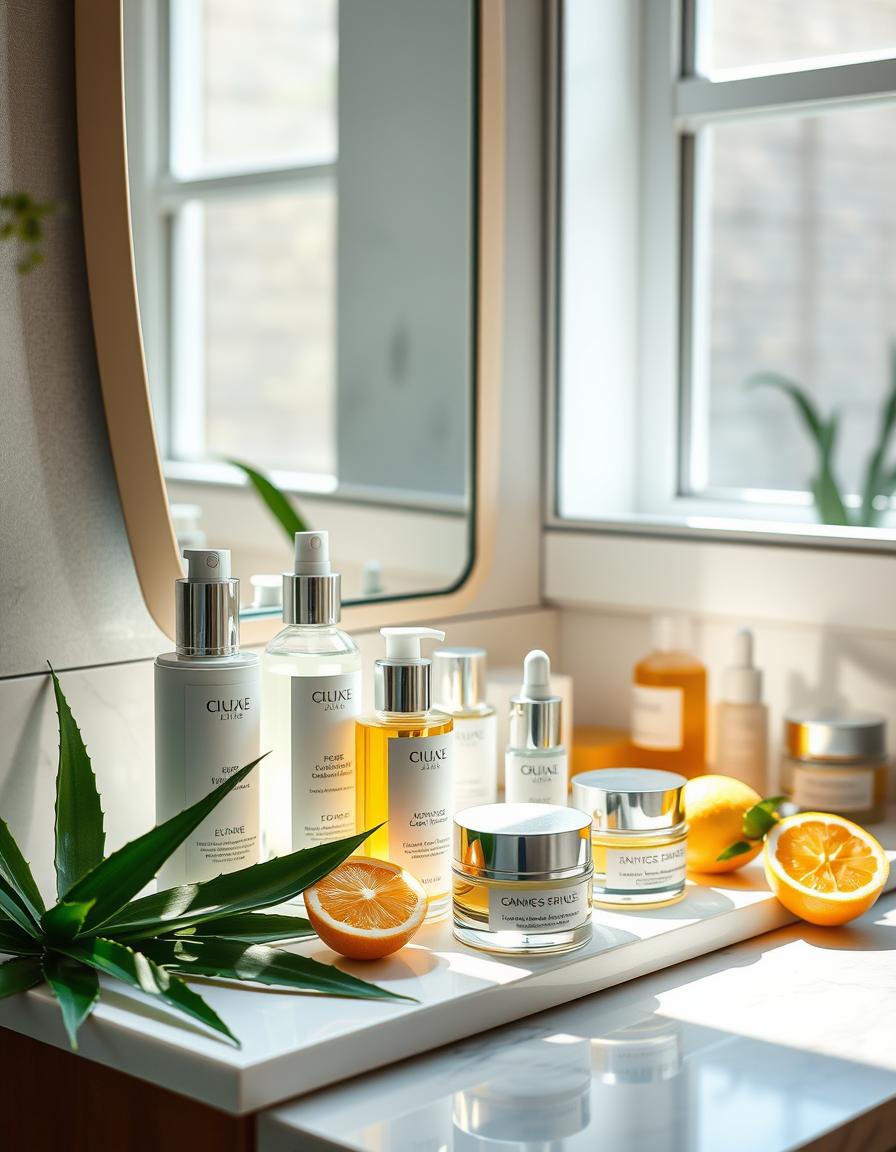
Everyone wants to look and feel younger for as long as possible. But the big question is: at what age should you start anti-aging products to actually make a difference? It’s like planting a tree—if you wait too long, the roots are shallow, and the branches won’t flourish. Start too early, and you might waste time and money on products your skin doesn’t need yet. Finding the right moment to begin can be tricky, but it’s worth figuring out.
Why Consider Anti-Aging Products?
Our skin naturally changes as we get older. Fine lines, wrinkles, and dryness creep in, mostly because of sun exposure, pollution, and a slower cell renewal process. Anti-aging products aim to slow down or prevent some of these signs. They hydrate, protect, and sometimes help the skin repair itself. Using these products at the right time can keep your skin looking fresh and glowing.
What Happens If You Start Too Soon?
Some teens and young adults jump straight to anti-aging creams, thinking they’ll keep wrinkles away forever. But starting anti-aging products too early can irritate sensitive, younger skin or cause breakouts. Plus, it’s like trying to fix a car problem before the car even starts making noise—it’s unnecessary and might cause new issues.
What Happens If You Start Too Late?
On the other hand, waiting too long might mean those fine lines and wrinkles get deeper, making them harder to treat. Once skin loses a lot of collagen and elasticity, it can’t bounce back as easily. It’s like trying to patch a large hole in a tire instead of replacing it early in the process.
Your Anti-Aging Timeline: When to Start
| Age Range | Focus for Skin Care | Recommended Actions |
|---|---|---|
| Teens to Early 20s | Prevention and Protection |
|
| Mid 20s to Early 30s | Light Prevention and Maintenance |
|
| Mid 30s to Mid 40s | Target Early Signs |
|
| Mid 40s and Beyond | Repair and Restore |
|
Teens to Early 20s: Build a Strong Foundation
At this age, your skin is still pretty resilient. It’s smart to focus on protection—especially sunscreen. Think of sunscreen as the bodyguard that fights off the sun’s harmful rays that cause early aging. Using a gentle moisturizer and avoiding harsh soaps keeps your skin balanced. This stage isn’t about fancy anti-aging creams but laying a solid groundwork.
Mid 20s to Early 30s: Time to Start Anti-Aging
This is the golden window to start anti-aging with light serums and antioxidants. Vitamins like C and E neutralize free radicals, which are sneaky culprits behind early wrinkles. Peptides help keep skin firm, while niacinamide reduces redness and evens skin tone. You don’t need heavy-duty creams quite yet; just a simple addition to your routine can do wonders.
Mid 30s to Mid 40s: Target Those Fine Lines
Signs of aging start showing more clearly now. Retinol becomes your loyal friend at this stage. It may cause some initial dryness or flakiness, but it speeds up cell turnover, helping fade wrinkles and dark spots. Hydrating creams are critical because aging skin loses moisture quickly. The goal here is to repair and prevent worsening damage.
Mid 40s and Beyond: Deep Nourishment and Repair
By now, skin naturally thins, and wrinkles deepen. This is when you want to layer richer creams and products with ingredients like hyaluronic acid or ceramides to keep skin plump and comfortable. Consider adding expert advice if desired—dermatologists can offer treatments that go beyond daily creams. The routine becomes about upkeep and nourishment to maintain the best possible skin health.
How to Choose the Right Products
With so many creams and serums, picking the right anti-aging product can feel like finding a needle in a haystack. Here’s a quick checklist:
- Know your skin type: Dry, oily, sensitive, or combination? Your skin type guides product choices.
- Check ingredients: Look for proven elements like antioxidants, retinol, peptides, and hyaluronic acid.
- Start slow: Introduce new products one at a time to avoid irritation.
- Consistency is key: Regular use over weeks and months shows real results.
- Sunscreen isn’t optional: Protecting skin daily is the best anti-aging step.
Common Myths About Anti-Aging Products
There are plenty of myths around anti-aging that can confuse people. Let’s bust a few:
- Myth: “Anti-aging products make you look younger overnight.”
Fact: Results take time—usually weeks to months. Patience pays off. - Myth: “Only older people need anti-aging products.”
Fact: Starting anti-aging products too late might reduce their effectiveness. Beginning in your late 20s or early 30s is wise. - Myth: “Natural products work better than scientific ones.”
Fact: While many natural ingredients can help, science-backed products often deliver more consistent results.
Thinking about the bigger picture reminds us that looking younger is part of feeling healthier overall. In fact, the Aging Workforce Costs highlight how aging impacts not just individuals but society too. Keeping skin and health in good shape plays a role in staying active and confident for years to come.
Conclusion
Deciding when to start anti-aging products is a personal choice, but usually, the late 20s to early 30s is a great time to begin gently incorporating them. Starting early with sunscreen and proper skin care builds a solid foundation. As the years pass, adjusting your routine to match your skin’s needs helps maintain a youthful glow. Remember, the key is consistent, simple care—no magic potions or rushing. With a little attention, you can age gracefully, feeling comfortable and confident in your skin at every stage.

Hey, I’m Zara! I’m all about simple, healthy living and feeling your best every day. On this blog, I share easy wellness tips, real talk about health, and small changes that make a big difference. Let’s keep it real, stay inspired, and feel good, together.