
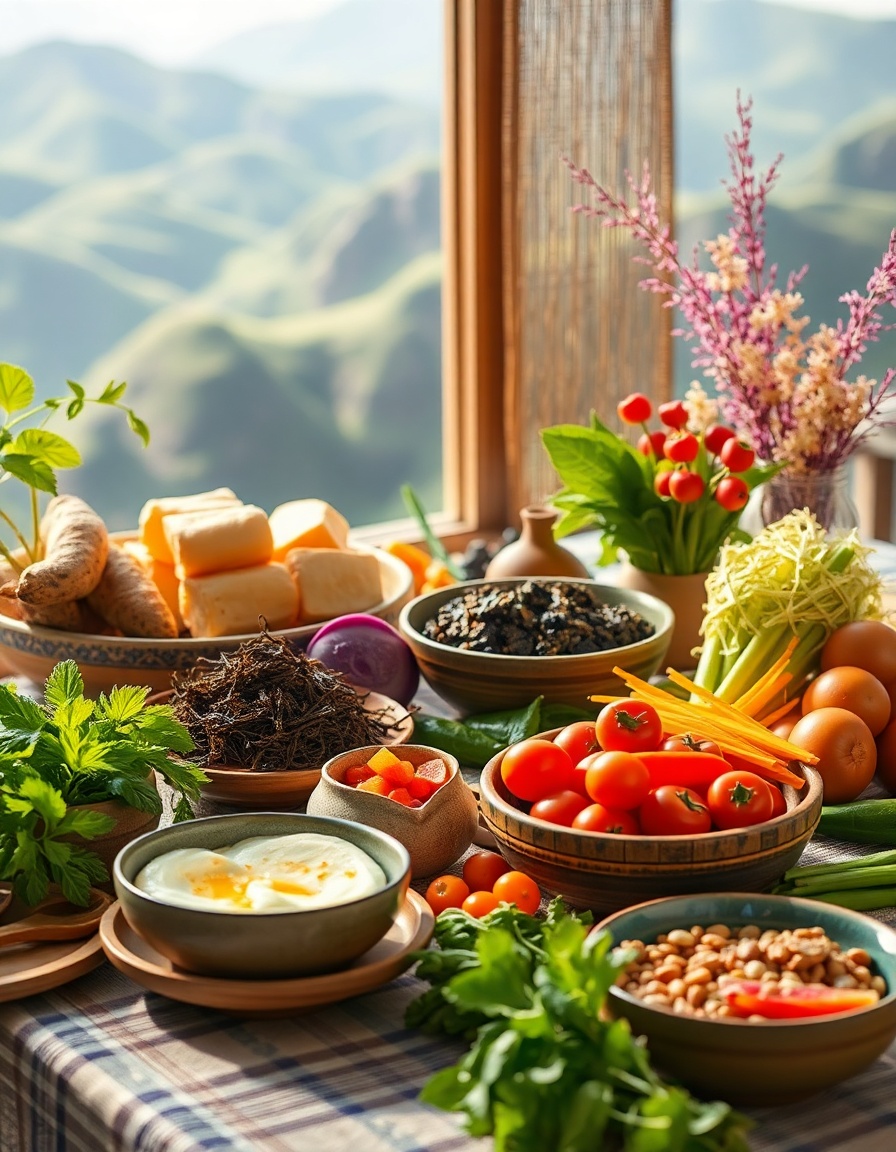
We all want to live longer and healthier lives, and somewhere in the blue waters of the Pacific Ocean lies a secret: the Okinawa diet aging gracefully. The Okinawa diet is famous because people in Okinawa, Japan, tend to live way past 100 years with fewer diseases and a lot of energy. Their way of eating and living is a fascinating blend of simple, natural foods and mindful habits that contribute to their incredible longevity. So, what makes this diet so special? Let’s find out.
What Is the Okinawa Diet?
The Okinawa diet is a traditional eating pattern followed by the people of Okinawa, a group of islands in Japan. It focuses on plant-based foods, low calories, and high nutrient density. The diet is unique because it encourages eating plenty of vegetables, whole grains, and legumes, with moderate amounts of fish and very little meat or dairy.
One interesting fact is that the diet includes sweet potatoes as a staple food, which are rich in vitamins and fiber. Along with this, seaweed, tofu, and plenty of green leafy vegetables make appearances on the Okinawan plate. These foods pack a punch of antioxidants and anti-inflammatory compounds, which support healthy aging.
Key Components of the Okinawa Diet
| Food Group | Typical Intake | Benefits |
|---|---|---|
| Vegetables (especially sweet potatoes) | High | Rich in fiber, vitamins, and antioxidants |
| Legumes (soybeans, tofu) | Moderate | Good source of protein and isoflavones |
| Fish and seafood | Moderate | Omega-3 fatty acids for heart health |
| Meat and dairy | Low | Reduced saturated fats and calories |
| Grains (mainly whole grains) | Moderate | Provides steady energy and fiber |
How the Okinawa Diet Supports Longevity
The power of the Okinawa diet aging relationship lies in its ability to reduce chronic diseases and promote a strong immune system. This diet is naturally low in calories but high in nutrients, which helps prevent obesity and diabetes—two big players in early aging.
Moreover, the antioxidants found in colorful veggies and seaweed fight oxidative stress. Think of oxidative stress like rust in your body’s machinery—too much rust slows things down, but antioxidants act like oil, keeping everything running smoothly. This means less damage to cells and a slower aging process.
Caloric Restriction and Aging
Many studies have shown that eating fewer calories without malnutrition can extend lifespan in animals. The Okinawa diet naturally follows this principle by being filling but low in calories. This mild caloric restriction is thought to trigger beneficial changes in metabolism and cell repair mechanisms.
It’s a bit like giving your body a chance to clean house regularly, which can keep you feeling young and sprightly.
Superfoods in the Okinawa Diet
Superfoods might sound trendy, but in Okinawa, these foods have been staples for generations. Let’s talk about some superfoods that contribute to the Okinawa diet aging connection.
Sweet Potatoes
Sweet potatoes are packed with beta-carotene, fiber, and essential vitamins. They provide long-lasting energy and help regulate blood sugar levels. Compared to white rice or bread, sweet potatoes cause less of a blood sugar spike, which is great for preventing diabetes.
Seaweed
Seaweed, like kombu and wakame, contains iodine and calcium, as well as antioxidants. These nutrients help maintain thyroid function and bone health. Plus, seaweed has unique fibers that support gut health, which plays a big role in overall wellness.
Soy Products
Tofu and miso are staples made from soybeans. They provide plant-based protein and isoflavones—natural compounds that can mimic estrogen in the body, helping protect bone density and cardiovascular health, especially in women.
Turmeric
While not exclusive to Okinawa, turmeric is often used in their meals or herbal teas. It contains curcumin, a potent anti-inflammatory compound that may slow down signs of aging by reducing chronic inflammation.
Living Beyond Diet: The Okinawan Lifestyle
Eating well is only part of the picture. Okinawans also live by certain habits that contribute to longevity, such as staying physically active, managing stress, and maintaining strong social connections.
Physical activity doesn’t mean spending hours in the gym. It can be gentle movements like gardening, walking, or practicing martial arts. If you want to explore more ways to stay active, check out this list of exercises that start with O for some fun ideas.
Stress Management and Purpose
Another interesting aspect is the Okinawan concept of “ikigai,” which means having a sense of purpose. People with a clear ikigai tend to live longer because they have a reason to get up every morning and stay engaged with life. Managing stress by staying connected with family and friends also helps reduce harmful effects on the body.
Sleep and Relaxation
Getting enough rest is crucial. Okinawans often take short naps during the day and keep a relaxed pace of life. These habits might seem old-fashioned but have been shown to support brain health and reduce age-related diseases.
Practical Tips to Adopt Okinawan Principles
- Fill your plate with colorful vegetables: Include sweet potatoes, leafy greens, and seaweed if possible.
- Choose plant-based proteins: Try tofu, edamame, or lentils instead of heavy meats.
- Eat fish moderately: Incorporate fish into your meals a few times a week for omega-3s.
- Control portion sizes: Stop eating when you’re about 80% full, a habit called “hara hachi bu” in Okinawa.
- Stay active every day: Walk, stretch, or try gentle exercises to keep your body moving.
- Prioritize social connections: Spend time with loved ones and nurture friendships.
- Find your ikigai: Engage in hobbies and activities that make you feel fulfilled.
Conclusion
The Okinawa diet aging bond offers a simple but powerful lesson: eating natural, nutrient-packed foods and living with purpose can help us live longer, healthier lives. By focusing on vegetables, legumes, moderate fish intake, and mindful habits, Okinawans show us that the secret to a long life is often found in what’s on our plate and how we live our days.
So next time you prepare a meal or decide how to spend your afternoon, remember the Okinawa way—a little extra color on your plate, some gentle movement, and a joyful heart might be the best recipe for a life well-lived.

Hey, I’m Zara! I’m all about simple, healthy living and feeling your best every day. On this blog, I share easy wellness tips, real talk about health, and small changes that make a big difference. Let’s keep it real, stay inspired, and feel good, together.