
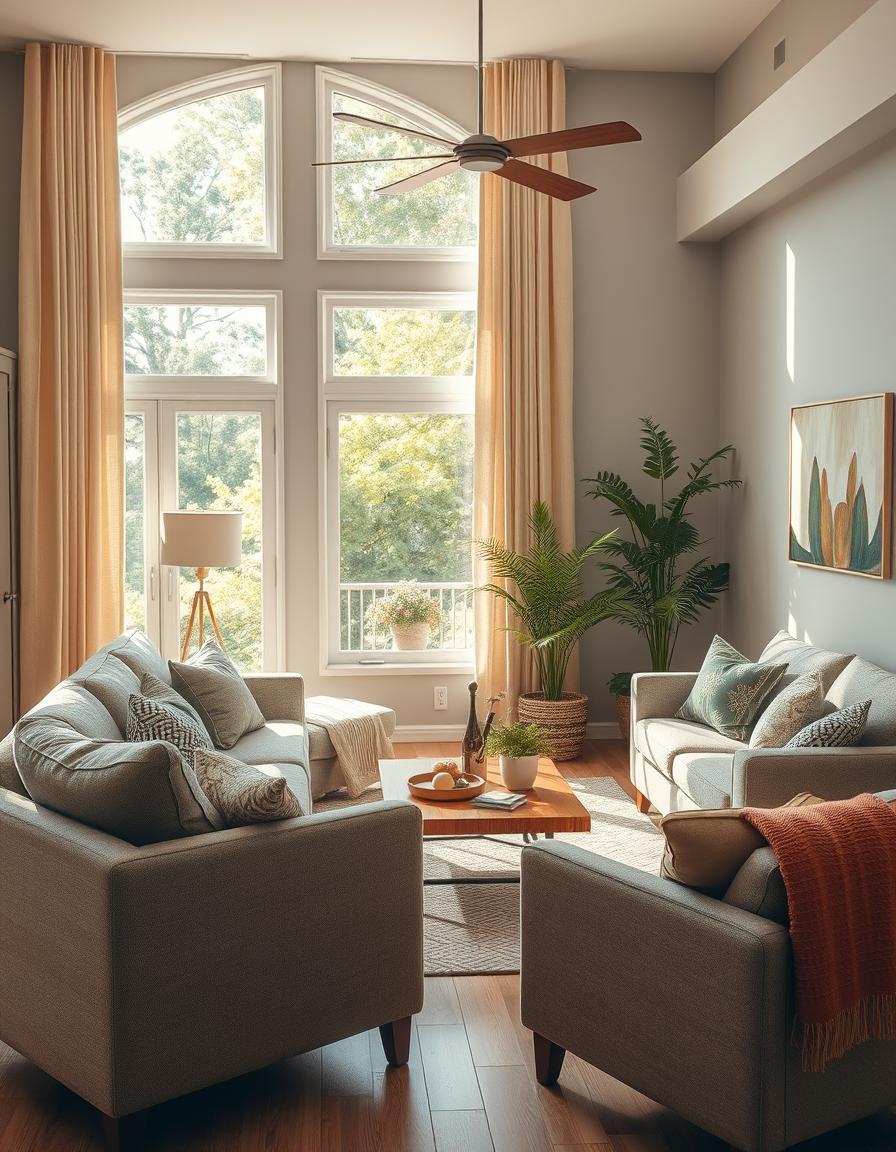
Aging in place has become a popular goal for many people as they grow older. It means staying in your own home safely and comfortably, instead of moving to a care facility or assisted living. But making that happen often requires some changes to your living space, which is where remodeling comes in. The truth is, aging in place remodeling is more than just installing grab bars or ramps—it’s about creating a home that supports independence, safety, and quality of life. Let’s explore what this remodeling involves and why it’s important to plan carefully.
What Does Aging in Place Really Mean?
At its core, aging in place means living in your home safely, independently, and comfortably for as long as possible. This might sound simple, but as people get older, everyday tasks can become harder. Things like climbing stairs, getting in and out of the bathtub, or even reaching kitchen shelves can be tricky or dangerous. Remodeling for aging in place helps remove these obstacles.
Think about it as preparing your home for future needs while still enjoying it today. Many people want to avoid the stress and emotional impact of moving, so they look for ways to adapt their current home to fit their changing lifestyle.
Common Remodeling Changes for Aging in Place
There are many ways to make a home safer and more convenient for aging in place. Some changes are big projects, while others are smaller tweaks. These adjustments help prevent falls, increase accessibility, and improve comfort.
Kitchen Adjustments
- Lowered countertops: Makes cooking easier for those who use wheelchairs or have limited reach.
- Pull-out drawers and shelves: Provide easier access to items without bending or stretching.
- Lever handles on faucets: Simple to operate, especially if grip strength is reduced.
Bathroom Upgrades
- Walk-in showers: Eliminates the need to climb over a tub edge, reducing fall risk.
- Grab bars: Strategically placed near toilets and showers for support.
- Raised toilet seats: More comfortable and safer for those with mobility challenges.
Entry and Living Areas
- Ramps or zero-step entries: Easier access for walkers and wheelchairs.
- Wider doorways: Accommodate mobility aids like walkers and scooters.
- Non-slip flooring: Reduces chances of slips and falls around the house.
The Importance of Planning Ahead
One story that sticks out is about a couple who started remodeling their home in their 60s. They wanted to remain independent but didn’t rush changes. Instead, they focused on careful planning, choosing upgrades that would serve them now and in the future. Their kitchen became easier to use, and their bathroom safer, all without sacrificing style. When sudden mobility issues appeared, they were prepared. Their home was already set up for aging in place, so they avoided stressful emergency renovations.
This highlights why it’s smart to consider aging in place remodeling early. Waiting too long can mean risky, costly fixes when immediate needs arise. Thoughtful design today can save headaches tomorrow.
How Much Does Aging in Place Remodeling Cost?
Costs vary widely, depending on the size and scope of changes. Small updates like adding grab bars or switching to lever handles may cost a few hundred dollars. Larger projects, such as installing ramps or remodeling bathrooms, can run into thousands. Here’s a rough breakdown:
| Type of Upgrade | Estimated Cost | Purpose |
|---|---|---|
| Grab Bars & Accessories | $100 – $500 | Increase safety in bathrooms |
| Walk-in Showers | $2,000 – $7,000 | Improve accessibility and prevent falls |
| Ramps & Entry Modifications | $1,000 – $5,000 | Make entrances wheelchair accessible |
| Widening Doorways | $300 – $1,000 per doorway | Allow for mobility aid passage |
Many people find that the investment is worth it, especially since aging in place can help avoid future costs of assisted living or nursing homes.
Making Your Home Healthy and Active
Staying active and healthy at home is a key part of aging well. Sometimes that means having space or equipment to exercise safely. If you’re interested in strength training, using a seated row machine is excellent for back and arm muscles—important for balance and daily tasks.
For guidance on how to use this equipment safely, check out this seated row machine guide. It’s a helpful resource whether you’re new to exercising or want to improve your technique.
Tips for Successful Aging in Place Remodeling
- Start early: It’s easier to make gradual changes than rush emergency fixes.
- Focus on safety first: Prioritize preventing falls and improving mobility.
- Keep style in mind: Your home should feel like yours, not a hospital room.
- Consult professionals: Occupational therapists and contractors can offer smart suggestions.
- Think universal: Choose features that serve all ages and abilities—like lever handles or non-slip floors.
Common Misconceptions About Aging in Place Remodeling
Some people think aging in place remodeling means their home will look dull or boring, filled with medical gadgets. That simply isn’t true. Many stylish and modern solutions exist that blend safety with beauty.
Another myth is that remodeling is only for those already facing serious health issues. In reality, remodeling is most effective and cost-efficient when done before major problems develop.
Lastly, some assume aging in place means giving up independence. Actually, remodeling empowers people to do tasks safely on their own, helping maintain freedom and dignity.
How to Choose the Right Remodeling Projects
Deciding which upgrades to do can feel overwhelming. Here’s a simple approach to help pick the right projects:
- Identify daily tasks that are challenging or unsafe.
- Think about possible future needs that could arise.
- Consider budget and prioritize changes that offer the most benefit.
- Look for solutions that improve comfort without major sacrifices.
- Work with trusted professionals who listen and understand your goals.
Conclusion
Aging in place remodeling is a smart way to prepare your home for comfortable, safe living as you get older. It’s about more than just adding safety features—it’s about preserving independence, personality, and peace of mind. By planning ahead and making thoughtful changes, you can create a home that supports you today and in the years to come. Remember, the goal is to stay active, safe, and happy in the place you love most: your own home.

Hey, I’m Zara! I’m all about simple, healthy living and feeling your best every day. On this blog, I share easy wellness tips, real talk about health, and small changes that make a big difference. Let’s keep it real, stay inspired, and feel good, together.