
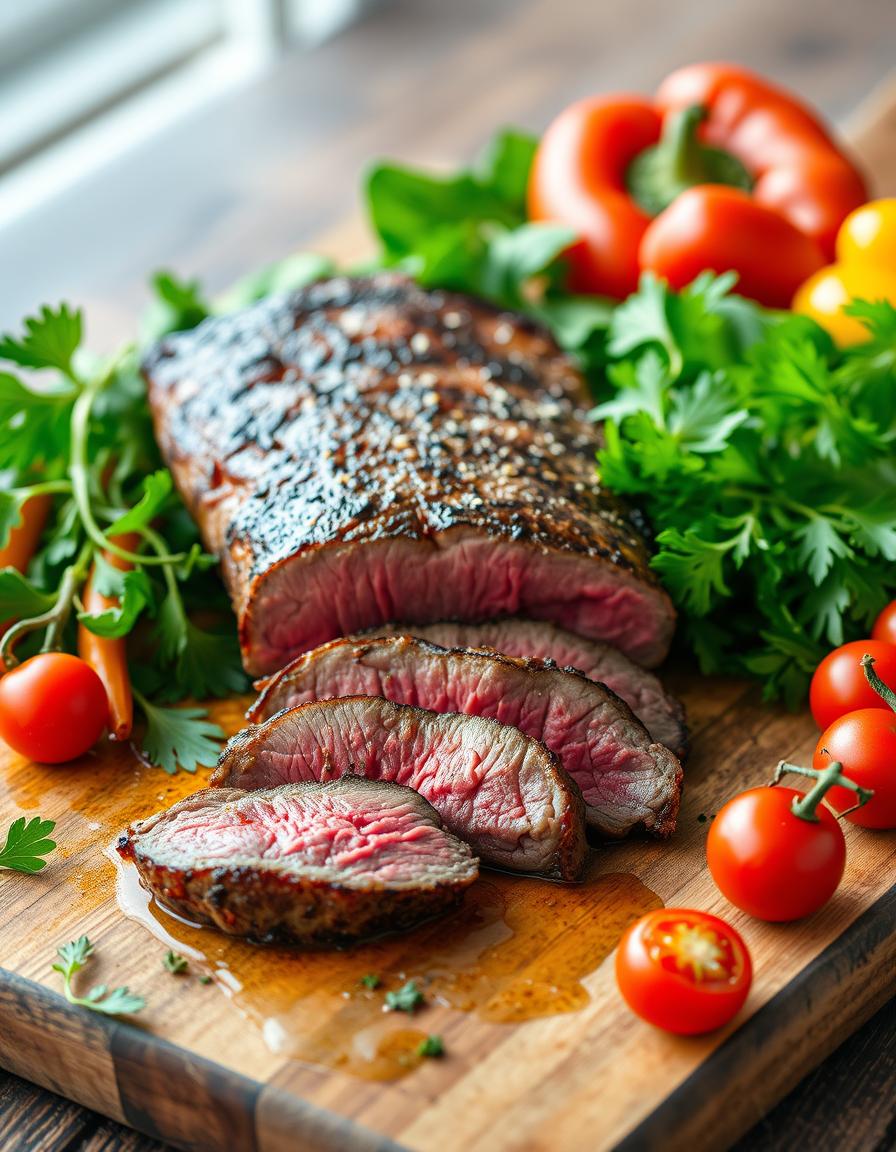
Flank steak is a popular cut of beef known for its rich flavor and relatively lean profile. Many people enjoy it grilled, marinated, or sliced thin against the grain in fajitas and salads. But how healthy is flank steak really? Understanding flank steak nutrition can help you decide if it fits your diet and health goals.
What is Flank Steak?
Flank steak comes from the abdominal muscles of the cow, which means it’s a long, flat cut of meat. It’s known for having tough fibers, so it benefits from marinating or slow cooking to make it tender. Unlike some fattier cuts like ribeye, flank steak offers a leaner option that still delivers a hearty beef flavor.
Flavor and Texture
Flank steak has a distinctive beefy taste and a texture that, when sliced properly, remains tender. Because it has less fat marbling than other cuts, it tends to be a bit chewier unless prepared carefully.
Flank Steak Nutrition Breakdown
To get a clear picture of how flank steak fits into a healthy diet, let’s look at the nutrition it provides. Here’s a simple table showing the major nutrients in a 3-ounce (85 grams) cooked serving of flank steak:
| Nutrient | Amount per 3 oz Cooked | Percent Daily Value* |
|---|---|---|
| Calories | 190 | 10% |
| Protein | 23 grams | 46% |
| Total Fat | 8 grams | 10% |
| Saturated Fat | 3 grams | 15% |
| Cholesterol | 65 mg | 22% |
| Iron | 2 mg | 12% |
| Zinc | 4 mg | 36% |
*Percent daily values are based on a 2,000 calorie diet.
Protein Powerhouse
Flank steak nutrition shines with its protein content. A single serving provides nearly half your daily protein needs, which is key for muscle repair, keeping you full, and supporting your immune system. If you’re working up a sweat in the gym or just want to keep hunger at bay, protein-packed foods like this are your friends.
Fat Content and Heart Health
While flank steak has some fat, it’s lower in total fat compared to cuts like ribeye or T-bone. Of course, the type of fat matters too. It contains saturated fat, which you want to watch, but eating flank steak in moderation is unlikely to hurt your heart health if balanced with plenty of vegetables and whole grains.
Vitamins and Minerals in Flank Steak
Beyond protein and fat, flank steak provides several essential nutrients. Here’s a quick look at some important vitamins and minerals you’ll get:
- Iron: Vital for transporting oxygen in the blood, iron helps prevent fatigue and supports energy.
- Zinc: Supports immune function and helps wounds heal faster.
- B Vitamins: Including B12 and niacin, these help your body produce energy and keep your nervous system healthy.
Eating flank steak can contribute to your daily iron and zinc needs, which is especially important if you have higher requirements or don’t consume other animal products regularly.
How to Make Flank Steak Healthier
Even though flank steak has decent nutrition, the way you cook and serve it can change its overall health value. Here are some tips to make your flank steak meals better for you:
- Trim Visible Fat: Removing fat before cooking reduces saturated fat intake.
- Use Marinades: Marinades with herbs, garlic, lemon juice, or vinegar not only add flavor but may also reduce harmful compounds formed during grilling.
- Grill or Broil: Cooking methods that let fat drip away keep calorie counts lower.
- Add Vegetables: Balance your meal with plenty of colorful veggies for fiber, vitamins, and antioxidants.
Flank Steak in Different Diets
Flank steak nutrition makes it a favorite among many health-focused eating patterns. Here’s how it fits with some well-known diets:
Keto and Low-Carb Diets
With high protein and fat but practically zero carbs, flank steak is perfect for ketogenic and low-carb diets. It helps keep you full and supports muscle maintenance without kicking you out of ketosis.
Paleo Diet
The paleo diet encourages eating whole foods, including lean meats. Flank steak fits right in, especially when paired with natural fats and fresh veggies.
Balanced Diets
If you prefer a traditional balanced diet with moderate portions of carbs, proteins, and fats, flank steak still works well. Just keep portion sizes in check and accompany it with enough fiber-rich foods like beans, potatoes, or whole grains.
Is Flank Steak Better Than Other Cuts?
Every beef cut has unique qualities, but flank steak stands out for its combination of flavor and lean profile. Here’s a quick comparison of flank steak with some other popular cuts:
| Cut | Calories (3 oz cooked) | Protein (g) | Total Fat (g) | Best For |
|---|---|---|---|---|
| Flank Steak | 190 | 23 | 8 | Grilling, marinating |
| Ribeye | 240 | 22 | 18 | Juicy, tender steaks |
| Sirloin | 180 | 25 | 7 | Lean and versatile |
| Chuck Roast | 210 | 22 | 10 | Slow cooking, stews |
Flank steak’s lower fat content and higher protein make it a favorite for anyone wanting a satisfying cut that doesn’t weigh heavily on calories.
Flank Steak and Overall Wellness
Choosing flank steak as part of a balanced diet can help support overall wellness. Its protein helps maintain muscle mass, especially as we age. The iron and zinc contribute to energy and immune health, making it a solid choice for many.
For those interested in managing stress or improving sleep, it’s good to remember that lifestyle habits matter just as much as diet. For example, you might explore meditation for sleep and anxiety as a natural approach to relaxation and rest.
Conclusion
Flank steak nutrition offers a unique combination of lean protein and essential minerals, making it a healthy addition to many eating patterns. While it contains some fat and cholesterol, its benefits often outweigh drawbacks when consumed in moderation and prepared healthfully. Whether grilled with a tangy marinade or sliced thin in a salad, flank steak can be a tasty and nutritious choice that fits into an active lifestyle.

Hey, I’m Zara! I’m all about simple, healthy living and feeling your best every day. On this blog, I share easy wellness tips, real talk about health, and small changes that make a big difference. Let’s keep it real, stay inspired, and feel good, together.