
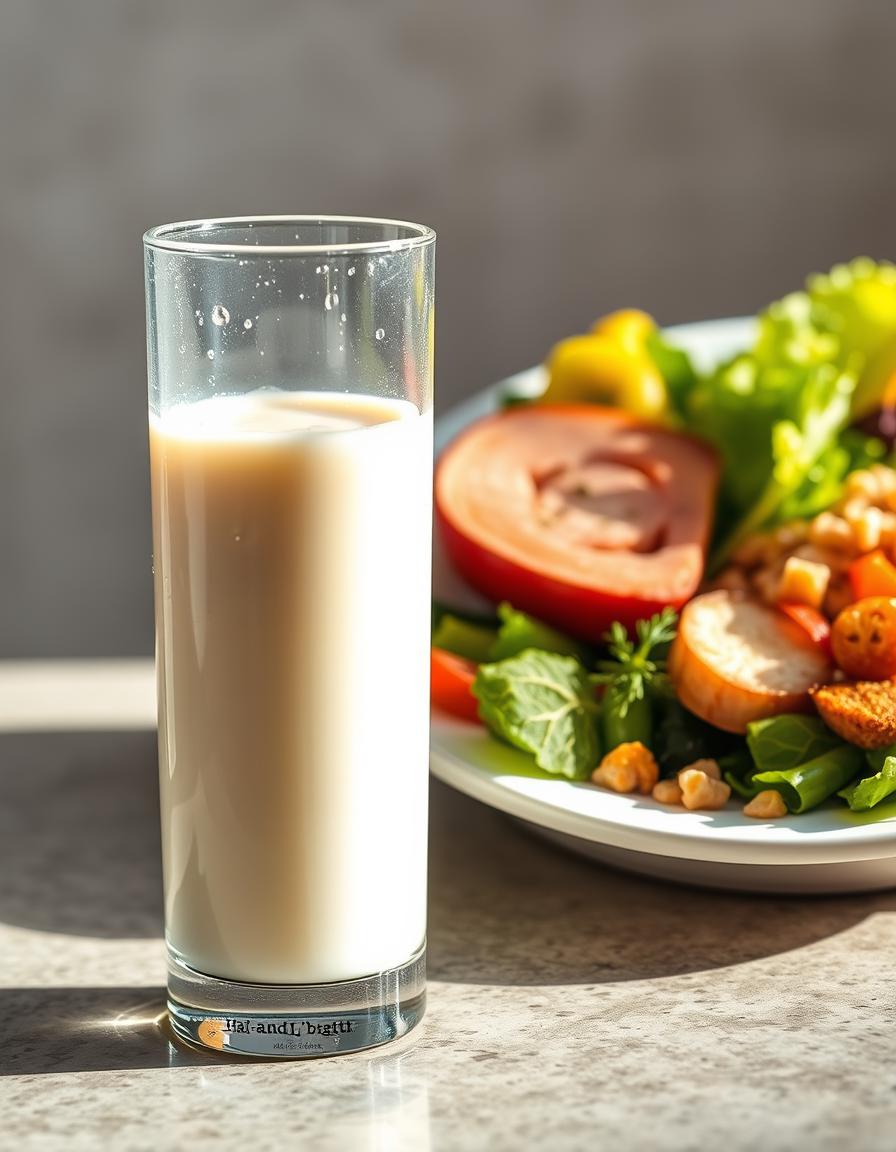
Half and half is a popular dairy product often found in coffee creamers and some recipes, but many people aren’t fully aware of its nutritional profile. Whether you’re adding it to your morning cup or using it in cooking, understanding half and half nutrition can help you make informed choices for your health. This creamy blend is somewhere between milk and cream, offering a unique texture and flavor that many enjoy. However, there’s more to it than just taste—knowing what’s inside your half and half can help you balance your diet without surprises.
What Exactly Is Half and Half?
Half and half is a simple mixture of equal parts whole milk and light cream. Think of it as the middle ground between regular milk and heavy cream. This blend gives it a creamy richness without being overly thick or high in fat. It’s commonly used to lighten coffee or tea and can be a substitute for milk or cream in recipes. The smooth finish it adds is often preferred by people who want a bit more flavor than milk but without the heaviness of cream.
Common Uses of Half and Half
- Creamer for coffee and tea
- Ingredient in sauces and soups
- Smoothies and desserts
- Baking recipes that call for a richer milk alternative
Because it sits nicely on the scale between milk and cream, half and half is pretty versatile in the kitchen. But if you’re watching your calories or fat intake, understanding its nutrition is key.
Half and Half Nutrition Facts
Here’s a straightforward look at the nutrition content of a typical 2-tablespoon (30 ml) serving of half and half:
| Nutrient | Amount per 2 tbsp | % Daily Value* |
|---|---|---|
| Calories | 40 | 2% |
| Total Fat | 3.5 grams | 5% |
| Saturated Fat | 2 grams | 10% |
| Cholesterol | 15 mg | 5% |
| Carbohydrates | 1 gram | 0% |
| Sugars | 1 gram | — |
| Protein | 1 gram | 2% |
| Calcium | 40 mg | 4% |
*Percent Daily Values are based on a 2,000 calorie diet.
Calorie Count: Not Too Heavy, Not Too Light
At about 40 calories per 2 tablespoons, half and half isn’t exactly dieting-friendly if you pour it by the cupful. But for light usage, it’s a middle-of-the-road calorie source. Compared to whole milk (which has about 18 calories for the same amount) or heavy cream (which has about 52 calories), half and half balances flavor and energy.
Fat Content: What You Should Know
Half and half contains roughly 3.5 grams of fat per serving, with about 2 grams of that being saturated fat. Saturated fats should be consumed in moderation because they can impact heart health. So, if you’re counting fats, keep an eye on your portions. Using half and half sparingly keeps the fat intake in check while still bringing a creamy texture to your drinks or dishes.
Sugar and Carbohydrates
The product contains small amounts of carbohydrates and sugars, mainly in the form of naturally occurring milk sugar (lactose). For most people, this is not a significant amount, but if you’re lactose intolerant or watching your sugar intake, it’s good to be aware.
Health Considerations Around Half and Half Nutrition
Because half and half is dairy, it shares some characteristics with milk that are important for health. Let’s explore some advantages and points to watch out for.
Pros of Using Half and Half
- Good source of calcium: Calcium supports bone health and is vital for muscle function.
- Rich flavor: It adds a creamy taste without turning your coffee or recipe overly heavy.
- Protein content: While modest, the protein in half and half can contribute to daily needs.
Potential Downsides
- Saturated fat: Can raise cholesterol if consumed in large amounts.
- Lactose content: Not suitable for those with lactose intolerance.
- Calories add up: Using large quantities may contribute to unwanted calorie intake.
For people who want to keep their diet lighter, alternatives such as skim milk or plant-based creamers might be better options. That said, if you enjoy half and half in moderation, it’s a pleasant way to enrich drinks and recipes.
How to Use Half and Half Wisely
Small adjustments can make a big difference in how half and half fits into your diet. Here are a few friendly tips:
- Measure carefully: Use a tablespoon or measuring cup instead of pouring straight from the container. This helps control intake.
- Mix with alternatives: Try blending half and half with skim milk to reduce fat but keep some creaminess.
- Read labels: Some brands add stabilizers or thickeners that might change nutritional content.
- Opt for organic: If available, organic half and half can be a cleaner choice, free from artificial hormones.
Remember, the key is moderation. Incorporating half and half thoughtfully keeps your taste buds happy without tipping your diet off balance.
Comparing Half and Half to Other Dairy Products
It’s easier to appreciate half and half when you see how it stacks up against other common dairy options. Here’s a quick comparison based on 2 tablespoons:
| Dairy Type | Calories | Total Fat (grams) | Saturated Fat (grams) | Protein (grams) |
|---|---|---|---|---|
| Skim Milk | 15 | 0.1 | 0 | 1 |
| Whole Milk | 18 | 1 | 0.6 | 1 |
| Half and Half | 40 | 3.5 | 2 | 1 |
| Heavy Cream | 52 | 5.5 | 3.5 | 0.3 |
This chart shows why half and half is a happy medium. Heavier than milk but lighter than cream, it’s perfect if you want a richer taste without the guilt of full cream.
Interesting Fact: Aging and Dairy Choices
As people age, their dietary needs and preferences can shift. For example, some older adults focus more on calcium intake to help maintain bone strength. If you’re curious about how life changes come with certain perks, check out this piece on the benefits of turning 70. It’s inspiring to see how thoughtful choices, including nutrition, impact healthy aging.
Conclusion
Half and half offers a creamy, flavorful addition to your beverage or recipe without the richness of heavy cream. Understanding half and half nutrition helps you enjoy it wisely, balancing taste and health. While it’s higher in fat and calories than milk, used in moderation, it can fit into most eating plans without trouble. Keep an eye on portion sizes and ingredients, especially if you’re managing cholesterol or lactose intolerance. In the end, half and half is a tasty companion that can make your morning coffee or creamy soups a little more enjoyable.

Hey, I’m Zara! I’m all about simple, healthy living and feeling your best every day. On this blog, I share easy wellness tips, real talk about health, and small changes that make a big difference. Let’s keep it real, stay inspired, and feel good, together.