
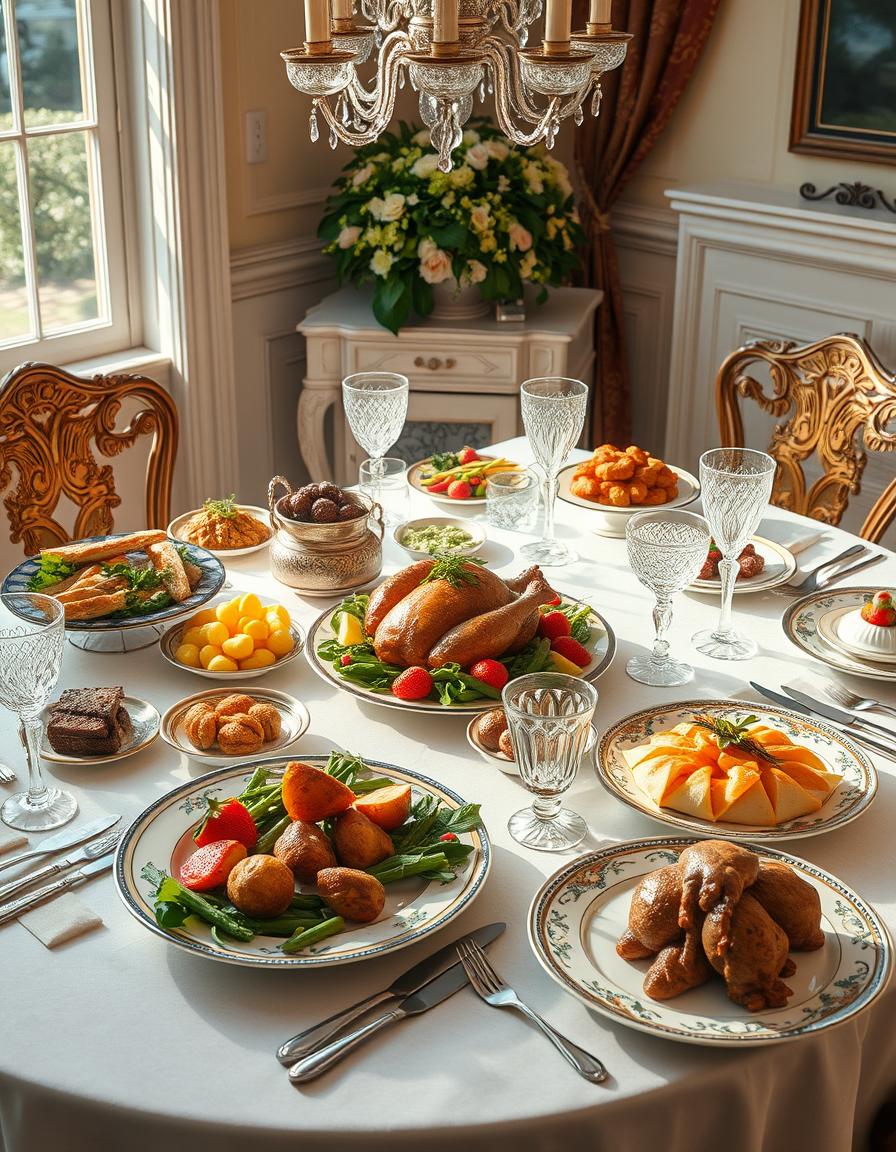
Food has always been a powerful way to understand cultures, emotions, and even history. The Gilded Age, a fascinating period in American history roughly from the 1870s to the early 1900s, was a time of great wealth, innovation, and social change. But beyond the glitz and glamor, the meals people ate back then tell stories that helped shape the country’s identity. From extravagant banquets in mansions to humble dishes enjoyed by working families, gilded age food recipes reflect a range of experiences and traditions that still inspire cooks today.
The Setting for Gilded Age Food
The Gilded Age was marked by industrial growth and the rise of a wealthy elite, but it was also a time when many Americans lived in poverty. This contrast was evident in the food people prepared and consumed. While the rich dined on French-inspired dishes with delicate sauces and exotic ingredients, everyday families made do with simple, hearty meals that filled their stomachs after long workdays.
One example is the Victorian-style dinner parties hosted by families like the Vanderbilts and Carnegies. These events showcased dishes that were as much about status as flavor. Meanwhile, immigrants brought their own cooking traditions, blending them into America’s culinary landscape in ways that are still visible today.
Iconic Gilded Age Food Recipes
Many recipes from the Gilded Age have survived, offering a tasty glimpse of history. Here are some of the most popular dishes and what made them so special.
Oysters Rockefeller
This famous dish was created in New Orleans and is considered a Gilded Age classic. It features oysters topped with a rich mix of butter, spinach, herbs, and breadcrumbs, baked until golden. The name “Rockefeller” was chosen because the dish’s richness reminded people of the wealth of John D. Rockefeller.
Oysters Rockefeller became a staple at fancy dinners and remains a favorite appetizer today. It captures the extravagance and flair of the era’s upper class.
Beef Wellington
A showstopper at many grand Gilded Age banquets, Beef Wellington wrapped tender beef tenderloin in puff pastry, often with mushrooms and foie gras. This dish speaks to the influence of European cooking on American elites.
Though it requires a bit of effort, the result is a luxurious entrée that impresses guests and keeps memories alive of candlelit dinner tables and fine silverware.
Boston Brown Bread
While aristocrats enjoyed lavish meals, simpler dishes like Boston Brown Bread were common among working-class families. This moist, slightly sweet bread is made with cornmeal, rye flour, and molasses, steamed in a special container called a “pudding mold.”
Not only was it affordable, but it also kept well, making it practical for families who didn’t have access to fresh bread daily. It often accompanied baked beans, another staple of the time.
Lobster Newberg
Another rich dish credited to the Gilded Age, Lobster Newberg features lobster meat cooked in a creamy sauce with sherry or brandy, served over toast. The story behind this dish involves a sea captain named Ben Wenberg who popularized it in New York’s upscale restaurants.
It quickly became a symbol of elegance and indulgence.
Ingredients that Defined the Era
Some ingredients stood out during this colorful period, helping shape the flavor profiles of gilded age food recipes. Here’s a quick look:
| Ingredient | Usage in Dishes | Role in Gilded Age Cooking |
|---|---|---|
| Butter | Rich sauces, baking, frying | Added luxury and tenderness |
| Molasses | Sweetening breads and desserts | Accessible sweetener for working-class recipes |
| Oysters | Appetizers like Oysters Rockefeller | Symbol of coastal abundance and status |
| Beef | Main courses like Beef Wellington | Indicator of wealth and celebration |
| Fresh herbs | Seasoning and garnishing dishes | Used to elevate flavors and presentation |
The Cultural Impact of Gilded Age Food
Food was a way people expressed their social standing and heritage. The extravagant meals of the rich set trends that influenced American dining for decades. On the other hand, immigrant communities introduced flavors and recipes that expanded what “American food” meant. From Italian pasta dishes to German sausages, these influences blended with traditional recipes.
Even today, you can find many restaurants playing with Gilded Age ideas—classic dishes served with modern twists. Home cooks interested in history often explore gilded age food recipes to add a unique touch to their meals and connect with the past.
For those curious about fitness and food’s role in performance, understanding the difference between strength vs hypertrophy vs endurance can help ensure balanced nutrition and training. While this topic is a bit separate, it fits nicely with the idea of how what we eat affects not only culture but also our bodies.
Sample Gilded Age Menu
Here’s a simple menu inspired by the Gilded Age, combining hearty and elegant dishes:
- Starter: Oysters Rockefeller
- Main Course: Beef Wellington with rich mushroom sauce
- Side: Creamed spinach and roasted root vegetables
- Bread: Boston Brown Bread
- Dessert: Baked Alaska (a popular fancy dessert of the era)
Cooking Tips for Enjoying Gilded Age Recipes
Trying these recipes at home might seem intimidating, but here are a few tips to make it easier:
- Use fresh, quality ingredients to ensure the best flavor.
- Don’t rush baking or roasting—many dishes require patience for the right texture.
- Experiment with herbs and spices, but keep balance in mind to avoid overpowering the main ingredients.
- Invite friends or family to share the experience—it makes the meal more enjoyable and authentic.
Conclusion
The food of the Gilded Age offers a delicious window into America’s past, from the lavish feasts of the wealthy to the simple, comforting meals of working families. Gilded age food recipes carry stories of social change, cultural blending, and evolving tastes. Recreating these dishes today can be a fun and tasty way to honor history and bring a little of that golden era charm into your kitchen. Whether you’re after elegance or heartiness, there’s something from the Gilded Age to suit every appetite and spark curiosity about the times behind the flavors.

Hey, I’m Zara! I’m all about simple, healthy living and feeling your best every day. On this blog, I share easy wellness tips, real talk about health, and small changes that make a big difference. Let’s keep it real, stay inspired, and feel good, together.