
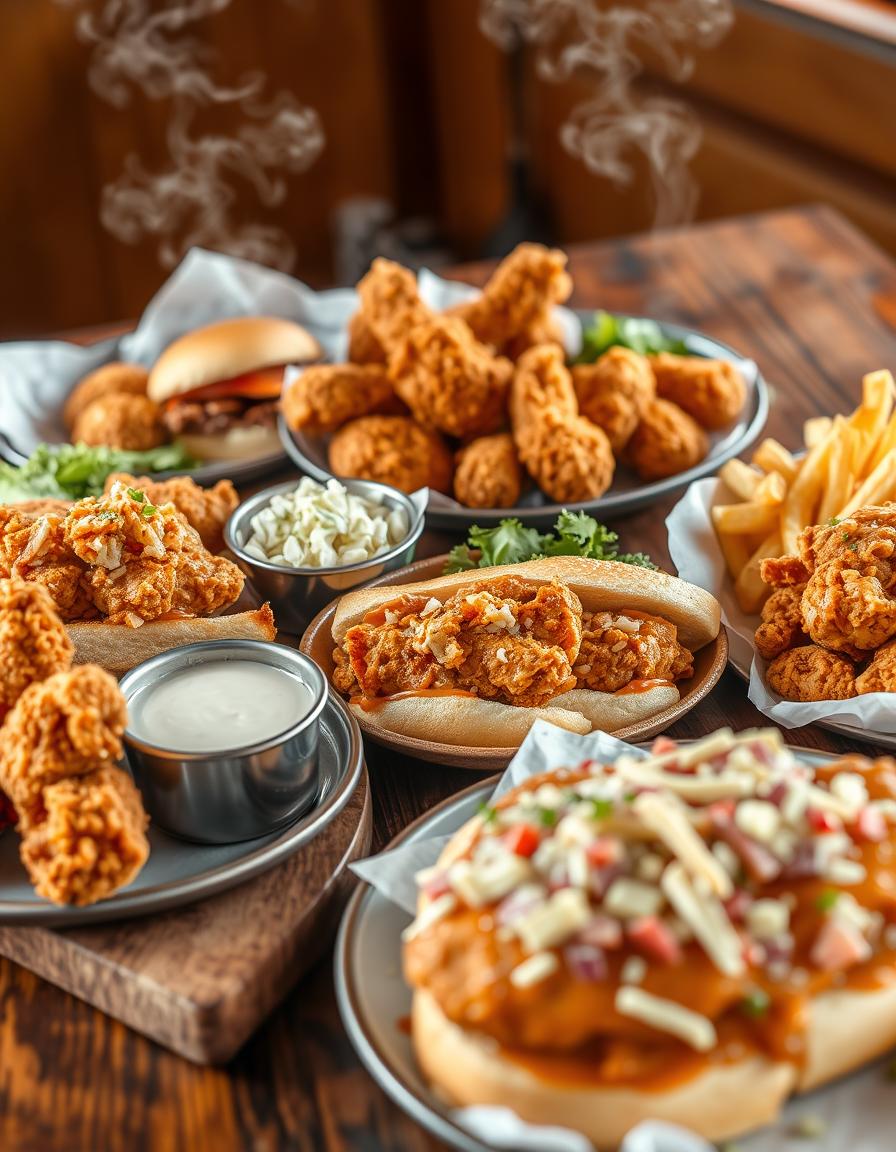
Dave’s Hot Chicken has quickly become a favorite spot for those craving spicy, crispy fried chicken with a kick. Known for its bold flavors and fiery heat levels, many fans enjoy the taste but often wonder about the nutritional side of things. If you’re curious about what goes into your order and how it fits into your diet, understanding Dave’s Hot Chicken nutrition can help you make smarter choices without losing out on flavor.
What Makes Dave’s Hot Chicken Special?
Before diving into the numbers, it’s worth mentioning what makes Dave’s Hot Chicken stand out. The restaurant offers crispy chicken tenders and sliders, marinated in a blend of spices and fried to golden perfection. They provide varying heat levels — from mild to “reaper” (which could make a dragon sweat). The dishes come with classic sides like fries and pickles, rounding out the meal.
While many are drawn to the taste, others want to know if their favorite spicy treat fits into their daily nutritional goals. The unique blend of seasoning and the frying process both affect the calorie count, fat content, and more.
Calories and Macronutrients: Breaking Down Dave’s Hot Chicken
Calories are often the first number people look at. Fried chicken naturally brings a higher calorie count due to breading and oil, but how much are we talking about at Dave’s Hot Chicken? Here’s a quick glance at the most popular items based on the company’s nutritional info:
| Item | Calories | Protein (g) | Fat (g) | Carbohydrates (g) | Sodium (mg) |
|---|---|---|---|---|---|
| 3 Piece Chicken Tenders | 520 | 37 | 32 | 21 | 1280 |
| 5 Piece Chicken Tenders | 830 | 61 | 51 | 34 | 2130 |
| Chicken Slider | 300 | 16 | 18 | 18 | 820 |
| Large Fries | 380 | 5 | 18 | 52 | 290 |
As you can see, Dave’s Hot Chicken offers a solid protein punch, which is great if you’re looking to fuel your muscles or get a satisfying meal. However, the fat and sodium levels are relatively high, especially with larger portions. The sodium content in particular can add up quickly if you’re watching your salt intake.
Understanding Sodium Levels
For many people, sodium can be a hidden concern. High sodium intake may contribute to elevated blood pressure. If you have health issues or want to stay on the safer side, keep an eye on the sodium numbers in your meals. Dave’s Hot Chicken tends to have higher sodium content, especially in their larger servings.
Interestingly, if you ever find yourself curious about links between common health conditions, articles about tooth pain and high blood pressure can shed some light on how different body systems interact, even when it might not seem obvious.
How Does the Heat Level Affect the Nutrition?
Choosing your heat level — from mild to extra hot — mainly changes the flavor and spice, but it has minimal impact on the calories, fat, or protein. The seasoning adds heat without significantly adding to the nutritional values. However, your body’s reaction to spicy food might affect your appetite or digestion, which can indirectly influence your eating habits.
Which Heat Level Should You Pick?
- Mild: Perfect if you’re sensitive to spice or just want to enjoy the flavor without burning your taste buds.
- Medium: Great for those who like some kick but don’t want to sweat buckets.
- Hot or Extra Hot: For the spicy food warriors who live for heat.
- Reaper: The devil’s choice, not recommended for your first visit unless you’re fearless!
Remember, the heat doesn’t add calories but can influence your overall meal satisfaction.
Sides and Add-Ons: What Should You Pick?
Fries and pickles are popular sides that complement the chicken well, but they also add to the calorie and carb count. Here’s how some common sides stack up:
- Fries (Regular): Around 250 calories per serving, with a decent amount of fat and carbs.
- Large Fries: Near 380 calories and higher fat content.
- Pickles: Very low in calories and can add a nice, tangy crunch without impacting your diet much.
- Coleslaw: Usually moderate in calories, but can be higher if dressed with creamy sauces.
Choosing pickles over fries cuts calories and carbs drastically. Think of it like swapping a heavy backpack for a light day pack—your body will thank you!
Tips for Enjoying Dave’s Hot Chicken Without Overdoing It
One way to enjoy spicy fried chicken while staying mindful of nutrition is to balance portion size and sides. Here are some tips to keep your meal tasty but lighter:
- Opt for the 3-piece tenders rather than the 5-piece to reduce calories and sodium.
- Choose pickles or a small side rather than large fries.
- Drink water or unsweetened tea instead of sugary sodas.
- Share a larger order with a friend—you get flavor and fun without the extra calories.
Also, listen to your body. If the heat feels too intense, there’s nothing wrong with dialing it down. Your taste buds will thank you later.
Is Dave’s Hot Chicken a Good Choice for a Healthy Diet?
Like any indulgent food, Dave’s Hot Chicken fits best as an occasional treat rather than a regular meal. It offers protein but also brings fat and sodium that can add up if eaten frequently. The trick is balance and moderation, which helps ensure you get the enjoyment without tipping the scales too far.
If you’re keeping track of your diet or have specific health concerns, pairing Dave’s Hot Chicken with fresh vegetables or lighter meals during the day can help maintain balance. Remember, a healthy lifestyle is a marathon, not a sprint—or as some say, you can’t run on hot chicken alone!
Conclusion
Understanding Dave’s Hot Chicken nutrition shines light on what you’re really eating beyond the delicious spicy crunch. While it offers a good amount of protein, it also comes with higher fat and sodium levels, especially in bigger portions. Choosing your heat level won’t change calories much, but picking sides wisely and watching portions can go a long way in keeping your meal balanced.
Eating spicy fried chicken should be fun and flavorful, not a cause for worry. With a few smart decisions, you can enjoy your favorite fiery bites without sacrificing your health goals.

Hey, I’m Zara! I’m all about simple, healthy living and feeling your best every day. On this blog, I share easy wellness tips, real talk about health, and small changes that make a big difference. Let’s keep it real, stay inspired, and feel good, together.