

American cheese is a go-to ingredient in countless kitchens, starring in decadent grilled cheese sandwiches and creamy recipes. But have you ever stopped to wonder how do those perfectly portioned slices fit into your health journey, especially if you’re focused on weight loss or fitness? Let’s uncover the truth behind American cheese slice calories and protein content.
At first glance, the calorie count of American cheese might not seem daunting. A single slice typically ranges between 60 and 102 calories, depending on the brand and specific variety (yellow vs. white, reduced-fat, or deluxe). For a quick sandwich filler, that might sound manageable, but dig a little deeper, and you’ll find a few surprises hiding between those layers.
Here’s a breakdown of what you’ll find in a slice:
- Protein: Each slice generally contains 3 to 5 grams of protein, making it a decent option for boosting your overall intake.
- Sodium: Brace yourself this is where American cheese can be a bit of an overachiever. Most slices pack 200 to 350 milligrams of sodium, which might add up quickly if you’re indulging in multiple servings.
- Fat: Of the 4 to 7 grams of total fat per slice, much of it is saturated fat. While it contributes to the cheese’s irresistible creaminess, saturated fat intake should be monitored for cardiovascular health.
- Calcium: A solid win for these slices is their calcium content, offering around 10% to 15% of your daily recommended intake, which supports strong bones.
Understanding these nutritional components isn’t just important it’s empowering. Whether you’re fine-tuning a fitness plan or simply making smarter choices at the grocery store, knowing what goes into every slice can help you strike the right balance between indulgence and wellness. The bottom line: American cheese can fit into a healthy lifestyle, but moderation and variety are key.
What Is American Cheese?
You’ve probably encountered American cheese on burgers, in sandwiches, or oozing perfectly from a grilled cheese but have you ever wondered, what makes it “American”? This cheese, beloved by millions, isn’t entirely a cheese in the traditional sense. Instead, it’s a processed blend, typically made from cheddar, Colby, and other cheeses, giving it its trademark creamy texture and mild, buttery flavor. Its unique composition makes American cheese incredibly versatile in the kitchen, lending itself to smooth melting and pairing well with a variety of dishes.
Let’s break it down further. American cheese has a distinct smoothness and pliability that contrasts with natural cheeses like cheddar or Swiss. That’s because it’s crafted through a process that combines cultured milk and cheese solids with emulsifiers, salts, and sometimes additional flavoring. This process enhances its melting ability and creates its velvety texture, setting it apart from entirely natural cheeses. While some purists might argue about its status as “real cheese,” there’s no denying its practical appeal for households and restaurants alike.
Whether you’re layering slices in a cheeseburger or using it to achieve the perfect gooey stretch in a grilled cheese, American cheese stands out for its simplicity and consistency. Curious how it differs from natural cheese choices? Here’s a handy comparison:
- Texture: American cheese boasts a softer, more uniform texture, while natural cheese can be crumbly or firm depending on its type.
- Taste: While natural cheeses have more complex and robust flavor profiles, American cheese offers a mild, slightly salty taste that appeals to a wide palate.
- Melting Ability: Thanks to its processed nature, American cheese melts more evenly, making it ideal for comfort foods like macaroni and cheese or nachos.
- Ingredients: Natural cheeses are crafted using minimal additives, whereas American cheese includes emulsifiers and stabilizers to achieve its iconic texture.
So next time you enjoy that perfect gooey bite, take a moment to appreciate what makes American cheese special. Its unique blend of texture, taste, and versatility is what carves out a space for it in kitchens across America and beyond.
American Cheese Slice Calories and Protein: The Numbers
When you think about American cheese, its creamy, melt-in-your-mouth texture often comes to mind. But what about its nutritional content? If you’ve ever wondered what’s inside that convenient slice, let’s break it down. For a single, standard slice (about 19–21g), American cheese tends to land within a predictable range of nutritional values. Perfect for sandwiches and burgers, but are they doing your health any favors? Let’s explore the details.
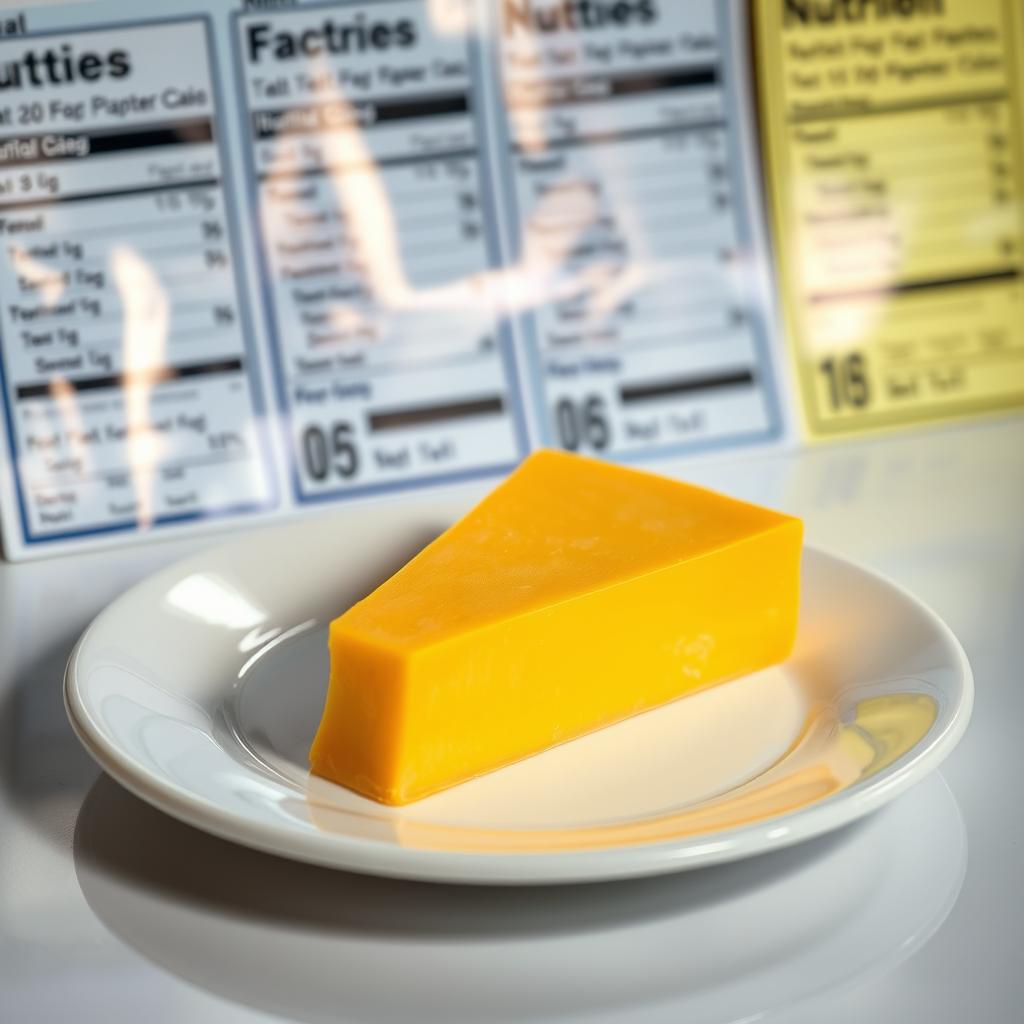
Here’s a snapshot of the typical nutritional profile of American cheese per slice:
- Calories: 60–80 kcal, depending on the brand and variety.
- Protein: 3–5 grams, offering a modest boost for building and repairing tissues.
- Fat: 5–7 grams, with saturated fat making up a significant portion.
- Carbohydrates: < 1 gram, ensuring it fits snugly in low-carb diets.
These numbers may look simple, but it’s important to note the variability across different brands some pre-sliced options have higher calories due to added oils or emulsifiers, whereas deluxe versions often have richer fat content. On the bright side, American cheese also delivers calcium, which is essential for maintaining strong bones and teeth. However, keep your eye on the sodium content: those melt-friendly slices often come loaded with higher salt levels than you might expect. If you’re trying to manage sodium intake, checking the label is always worth it.
| Nutrition Metric | Typical Range (Per Slice) |
|---|---|
| Calories | 60–80 kcal |
| Protein | 3–5 grams |
| Fat | 5–7 grams |
| Carbohydrates | < 1 gram |
American cheese is undeniably versatile it melts beautifully in grilled cheese sandwiches and adds a creamy touch to burgers but its specific nutritional content also makes it a snack worth considering, especially when you’re crafting your grocery list with health in mind. If you’re working on a plan to balance indulgence and wellness, check out the best ideas for weight loss for more inspiration to strategize your meals effectively.
Is It a Good Protein Source?
When thinking about American cheese slices, most people focus on the calories or sodium content, but what about their protein value? If you’re trying to pack more protein into your meals, it’s valid to ask whether American cheese can do the job compared to other cheeses or even whole food options.
For starters, a typical slice of American cheese contains about 4–5 grams of protein. It might not sound like much, but add it to a sandwich or wrap, and it can give your meal a small protein boost. Now, how does it compare to other popular cheeses? Here’s a quick breakdown:
- Cheddar: Around 7 grams of protein per ounce, offering a richer source than American cheese.
- Mozzarella: About 6 grams per ounce, along with lower calories and fat levels than cheddar.
- Parmesan: Packs a solid 10 grams of protein per ounce, making it a top choice for boosting protein intake.
It’s not just cheeses vying for a spot in your protein-rich diet. If you want to stack up American cheese against whole food options, you’ll find it’s less competitive. Compare it to items like eggs (6 grams per egg), chicken breast (26 grams per 3-ounce serving), or tofu (8 grams per 3 ounces), and American cheese comes out as more of a minor contributor.
However, in certain scenarios, that small bump in protein can still matter say, if you’re including it as part of a balanced breakfast or using it to supplement the protein in a meal you’ve already planned. Consider pairing it with higher-protein ingredients, like eggs or lean turkey, for a more substantial punch.
And if you’re watching your calorie intake alongside protein, don’t overlook versatile physical activity, such as these best cardio workouts, to complement your dietary choices.
While American cheese doesn’t win the protein crown, its ease of use, affordability, and ability to melt into delicious recipes can make it a worthwhile addition to your diet for specific purposes. Just keep in mind that its protein contribution, though convenient, is not enough to replace primary protein sources in your meals.
American Cheese in a Balanced Diet
When it comes to choosing versatile ingredients for your meals, American cheese often stands out as a popular option but how does it fit into a balanced diet? Let’s break down the pros and cons of this creamy, melt-in-your-mouth staple, and see how it aligns with your health goals.
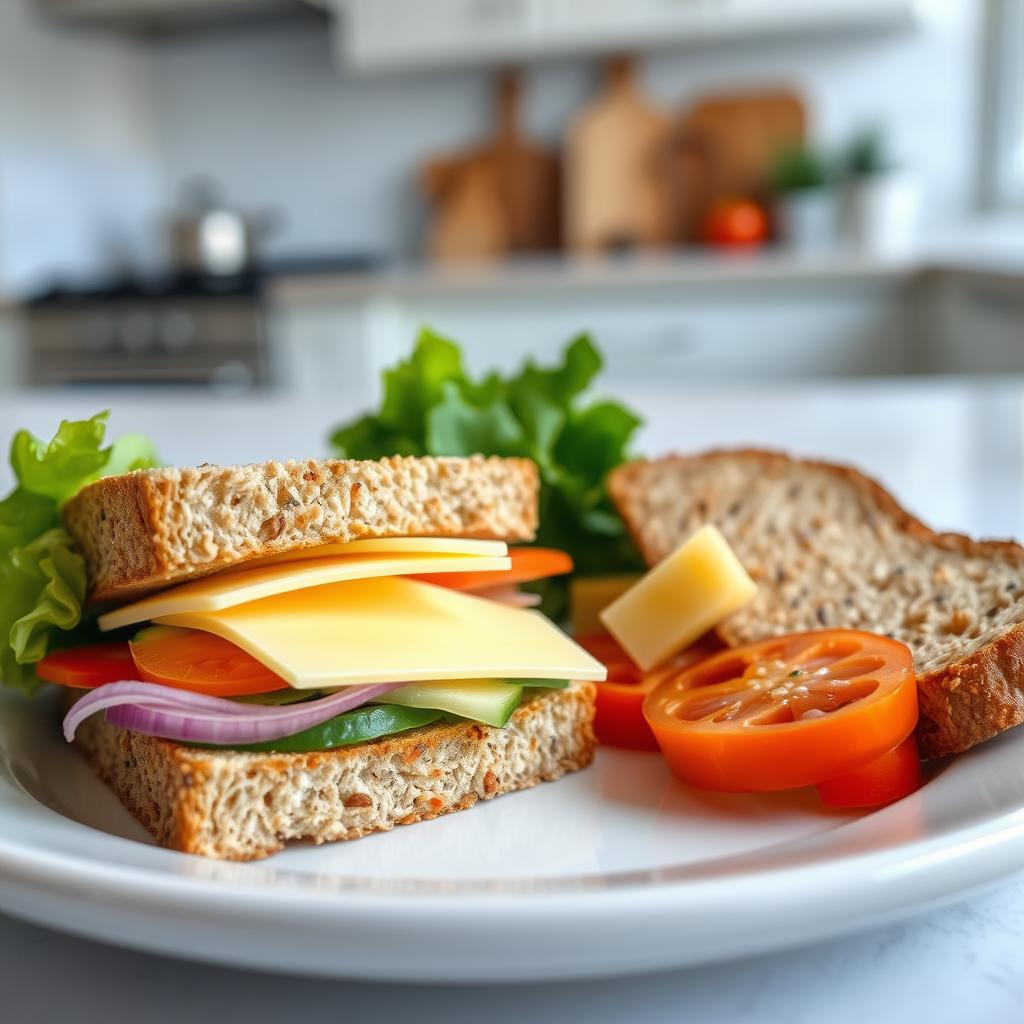
Pros of American Cheese
- Convenient and Tasty: Whether you’re layering it on a sandwich or melting it for a grilled cheese, American cheese’s mild, buttery flavor makes it a dependable and delicious choice for quick meals.
- Calcium Content: American cheese provides a modest source of calcium, which is vital for maintaining strong bones and teeth.
- Protein Boost: With around 3-5 grams of protein per slice, this cheese can offer a small but helpful addition to your daily protein intake.
Cons of American Cheese
- Processed Ingredients: Unlike natural cheeses, American cheese is a processed food product, often made with emulsifiers, stabilizers, and additives for its signature texture and meltability.
- High Sodium Levels: A single slice can contain up to 350 milligrams of sodium, which may be a concern for individuals monitoring their salt intake.
- Saturated Fat Content: The cheese is relatively high in saturated fat, with some slices packing 4-6 grams, potentially contributing to heart health challenges if consumed excessively.
To help visualize the nutritional breakdown of American cheese, check out the table below. Feel free to use it as a quick reference for your next grocery trip:
| Brand | Calories Per Slice | Protein (g) | Calcium (% DV) | Sodium (mg) |
|---|---|---|---|---|
| Kraft | 70 | 3 | 10% | 320 |
| Land O Lakes | 80 | 4 | 15% | 350 |
| Boar’s Head | 90 | 5 | 20% | 280 |
| Dairy-Free Alternative | 60 | 2 | 0% | 200 |
So, is American cheese a fit for your diet? It boils down to balance and portion control. If you have dietary restrictions or are mindful of sodium and fat intake, consider trying dairy-free options or limiting your consumption to occasional indulgences.
Healthier Alternatives & Tips
When it comes to American cheese, finding healthier options doesn’t have to feel overwhelming. Whether you want to cut back on calories, boost your protein intake, or explore plant-based alternatives, there’s a slice for everyone. So how do you navigate these choices effectively? Let’s dig in.
Low-Fat American Cheese Options
For those looking to scale down on calories and saturated fat, low-fat American cheese can be a game-changer. These varieties still deliver the classic creamy texture you love but often with almost half the fat. A typical slice can range from 25 to 50 calories perfect for crafting your favorite grilled cheese without the guilt. Just remember, while the fat might be reduced, sodium levels can sometimes be higher, so it’s worth checking the label.
Natural Cheese Slices with Higher Protein
If protein is your priority, consider skipping processed American cheese and opting for natural alternatives like cheddar or Swiss slices. These cheeses often pack 6 to 8 grams of protein per serving, compared to the typical 2 to 4 grams in American cheese. Not only do they offer more nutritional value, but they also bring bold, natural flavors to the table.
Plant-Based Cheese Slices: Do They Offer Protein?
Plant-based cheese has become a popular option for those avoiding dairy, but do these options hold their nutritional ground? Many dairy-free slices made from ingredients like nuts or pea protein clock in with around 3 to 5 grams of protein per slice. While they don’t always match the protein levels of dairy, they often come with the perk of lower saturated fat and zero cholesterol.
Smart Portion Control & Label Reading Tips
Managing your portions and staying informed are key to making healthier choices. Here are a few quick tips:
- Stick to one slice: A single slice can go a long way, especially when paired with other nutrient-dense foods like whole-grain bread or fresh veggies.
- Check the label: Look for slices with fewer than 70 calories and less than 3 grams of saturated fat whenever possible.
- Go for simpler ingredients: American cheeses labeled as “deluxe” or “natural” often have fewer additives.
Making thoughtful choices doesn’t mean giving up the foods you enjoy. By exploring these alternatives and tips, you can savor your favorite cheesy creations while sticking to your health goals. Who says you can’t have it both ways?
Sample Comparison Table
| Cheese Type | Calories (per slice) | Protein (g) | Fat (g) | Sodium (mg) |
|---|---|---|---|---|
| American (Regular) | 70 | 4 | 6 | 300 |
| American (Low-Fat) | 50 | 4 | 3 | 250 |
| Cheddar | 110 | 7 | 9 | 180 |
| Mozzarella | 85 | 6 | 6 | 180 |

Ever wondered how your favorite slice of American cheese stacks up nutritionally against other popular options like cheddar or mozzarella? Whether you’re counting calories or focusing on protein intake, the type of cheese you choose can make all the difference. Let’s break it down. – **American Cheese (Regular)**: Known for its ultimate meltability and smooth texture, this classic option clocks in at 70 calories per slice, offers 4 grams of protein, but carries a relatively high sodium content of 300 mg. – **American Cheese (Low-Fat)**: If cutting fat is your goal, this version packs only 50 calories and 3 grams of fat, while still delivering 4 grams of protein.
The sodium dips slightly to 250 mg. – **Cheddar**: With its bold flavor and firm texture, cheddar boasts the most calories per slice (110 calories) but shines with a robust 7 grams of protein. It’s the lower sodium content 180 mg that might surprise you. – **Mozzarella**: Creamy and mild, mozzarella strikes a balance with 85 calories, 6 grams of protein, and comparable fat content (6 grams) to regular American cheese, while maintaining a modest sodium level of 180 mg. As you can see, different cheeses fit different dietary needs and flavor preferences. Are you conscious of sodium intake or prioritizing protein? The choice is yours!
Final Thoughts
Here’s what you need to keep in mind to make informed decisions:
- Calories: The caloric content of a slice of American cheese generally ranges from 60-102 calories, depending on the brand and type.
- Fat Content: American cheese contains significant amounts of fat, particularly saturated fat, with some slices packing over 5 grams.
- Sodium Levels: With sodium content sometimes reaching over 300 mg per slice, label awareness is essential for those mindful of daily intake.
- Protein: A single slice offers roughly 5 grams of protein a decent contribution to your daily nutrition.
- Calcium Benefits: American cheese does provide calcium, which supports strong bones, although it’s not an extensive source compared to whole dairy options.
While American cheese can play a role in satisfying cravings, it’s important to keep moderation in mind. Pair it strategically with other nutrient-rich ingredients like whole-grain bread or fresh vegetables. And if you’re monitoring your protein, fat, or calorie intake, pay careful attention to the details on the packaging. Many brands, such as Kraft or Land O’ Lakes, differentiate themselves with various flavors, colors, and formats, giving you plenty of options tailored to your needs.
This is where resources like our Cheese Calorie Chart come in handy. Whether you’re counting calories or keeping an eye on your sodium, tools like this provide precise data to guide better choices. Eating mindfully doesn’t mean giving up comfort foods it means knowing what fits best into your lifestyle!

Hey, I’m Zara! I’m all about simple, healthy living and feeling your best every day. On this blog, I share easy wellness tips, real talk about health, and small changes that make a big difference. Let’s keep it real, stay inspired, and feel good, together.