
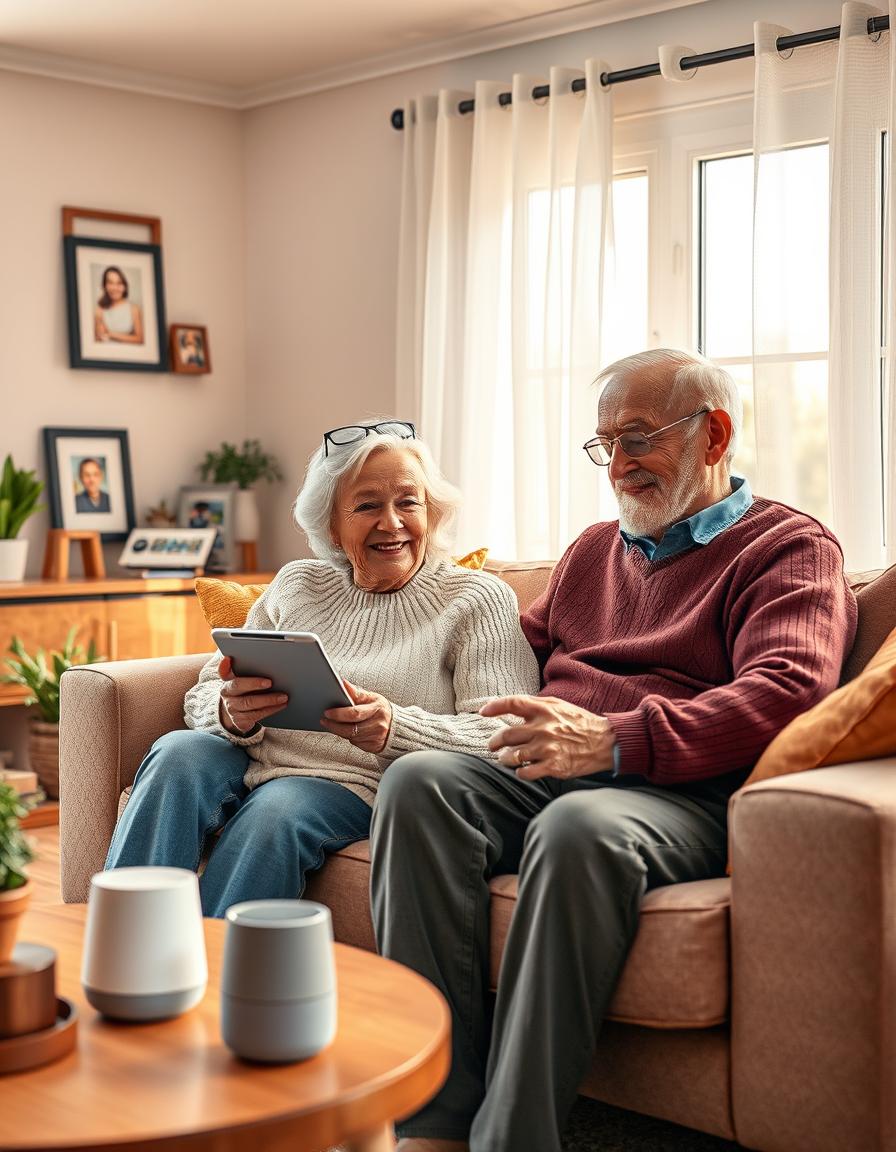
Growing older in the comfort of one’s own home is a dream shared by many seniors. Thanks to advances in technology, this dream is becoming more of a reality every day. Aging technology at home is transforming the way seniors live, helping them stay independent, safe, and connected with loved ones. From smart devices to health monitors, technology plays a crucial role in supporting aging adults with respect, dignity, and ease.
Why Aging Technology at Home Matters
As people age, small daily tasks can become more challenging, and concerns about safety or health can increase. Aging technology at home helps bridge that gap by providing tools that assist with mobility, health tracking, communication, and even entertainment. It ensures seniors can remain in familiar surroundings without feeling isolated or overwhelmed.
Imagine Mrs. Carter, an 82-year-old grandmother who loves her cozy house but worries about falling or missing important medications. With the right technology, she can receive medication reminders, have emergency alerts ready at a button press, and even talk to her family via video calls whenever she feels like it. These small pieces of technology make a huge difference in her confidence and happiness.
Types of Technology Helping Seniors at Home
Health Monitoring Devices
Health is a top priority for seniors, and technology has stepped up to help. Wearable devices can track heart rate, blood pressure, and oxygen levels, sending data directly to caregivers or doctors. These devices offer peace of mind, catching potential problems early before they become emergencies.
- Wearable fitness trackers
- Smart blood pressure monitors
- Glucose monitoring systems
- Fall detection sensors
Smart Home Systems
Smart home technology is no longer a luxury but a useful everyday companion for many seniors. Voice-activated assistants like Alexa or Google Home can help seniors with reminders, controlling lights, or playing music without moving around too much. Motion sensors, smart thermostats, and automated locks enhance safety and comfort with minimal effort.
| Technology | Benefit | Example |
|---|---|---|
| Voice Assistant | Hands-free control for reminders and calls | Amazon Alexa |
| Smart Lights | Automatic lighting to prevent falls | Philips Hue |
| Smart Locks | Secure, keyless home entry | August Smart Lock |
Communication Tools
Staying connected with family and friends is vital for emotional wellness. User-friendly tablets and smartphones with large buttons and simplified interfaces make video chatting and social networking easy for seniors. These devices reduce loneliness and bring smiles, sometimes even sparking funny moments that become family stories.
Mobility Assistance Technology
Technology has also improved mobility aids. Smart walkers with built-in GPS and alert systems help seniors move around safely. Stairlifts and adjustable beds with remote controls make it simpler to manage physical challenges without losing independence.
How Aging Technology at Home Supports Independence
There’s a common saying: “You can’t put a price on peace of mind.” The right technology helps seniors maintain independence, which is crucial for their self-esteem and mental health. It also helps family members relax, knowing their loved ones are cared for, even at a distance.
Technology encourages seniors to take charge of their health and daily routines. For example, medication management apps remind them when to take pills, reducing missed doses or overdoses. Smart sensors can alert caregivers if something seems off, like an unusual lack of movement or a fall.
Common Challenges and How Technology Tackles Them
Safety Concerns
Falls are one of the most serious risks for seniors living alone. Aging technology at home includes devices like fall detectors that automatically notify emergency contacts. Smart lighting and non-slip sensors reduce hazards, creating safer environments.
Memory Issues
Memory challenges can make daily tasks tough. Technology offers digital calendars, reminders, and even voice prompts to help seniors remember appointments, meals, or social activities.
Social Isolation
Sometimes, the hardest part about aging is feeling lonely. Communication tools break down this barrier by connecting seniors easily with others. Virtual games, clubs, and social networks designed for seniors help keep minds active and spirits high.
Examples of Aging Technology at Home in Action
Let’s take a peek into some real-life setups.
- Jane’s Smart Home: At 78, Jane installed a voice assistant linked to her medication dispenser. It reminds her to take her pills and orders refills when running low. She can also turn on lights or call her daughter simply by speaking.
- Bob’s Wearables: Bob wears a smartwatch that tracks his heart rate and alerts emergency services if he falls. It gives him the confidence to walk his dog daily without worry.
- Mary’s Social Tablet: Mary uses a tablet with an easy interface to video chat with grandchildren, play memory games, and read books aloud. Technology helps her stay mentally sharp and socially connected.
Technology and Healthcare Integration
Many aging technologies at home are linked directly with healthcare providers. This connection allows doctors to monitor patients remotely, adjust treatments faster, and catch health issues early. Telehealth services bring medical consultations right into the living room without the need to travel.
Seniors can also benefit from innovations like screwless dental implants for seniors, which improve dental health with less discomfort and quicker recovery, allowing them to enjoy their meals and smile with confidence.
Looking at the Future
The future holds exciting possibilities. Artificial intelligence and machine learning may soon offer personalized care recommendations based on individual habits. Robots could assist with household tasks or companionship. While some might worry about technology replacing human contact, the goal is to complement human care—not replace it.
Key Benefits of Aging Technology at Home
| Benefit | Description |
|---|---|
| Increased Safety | Prevent accidents and provide immediate help in emergencies |
| Improved Health Monitoring | Continuous tracking of vital signs and medication adherence |
| Greater Independence | Enable seniors to manage daily tasks without constant assistance |
| Enhanced Social Connection | Keep seniors connected with family, friends, and communities |
Conclusion
Technology has woven itself into daily life, providing seniors with valuable tools to live comfortably and confidently at home. Aging technology at home enables older adults to manage their health, stay safe, and remain connected with loved ones. Whether it’s through smart devices, monitoring systems, or simple communication tools, these innovations deliver independence and peace of mind.
For seniors and families, embracing these technologies means fewer worries and more moments of joy. This unique blend of care and convenience is changing the experience of aging—helping seniors write new chapters filled with laughter, warmth, and security in the homes they cherish.

Hey, I’m Zara! I’m all about simple, healthy living and feeling your best every day. On this blog, I share easy wellness tips, real talk about health, and small changes that make a big difference. Let’s keep it real, stay inspired, and feel good, together.