
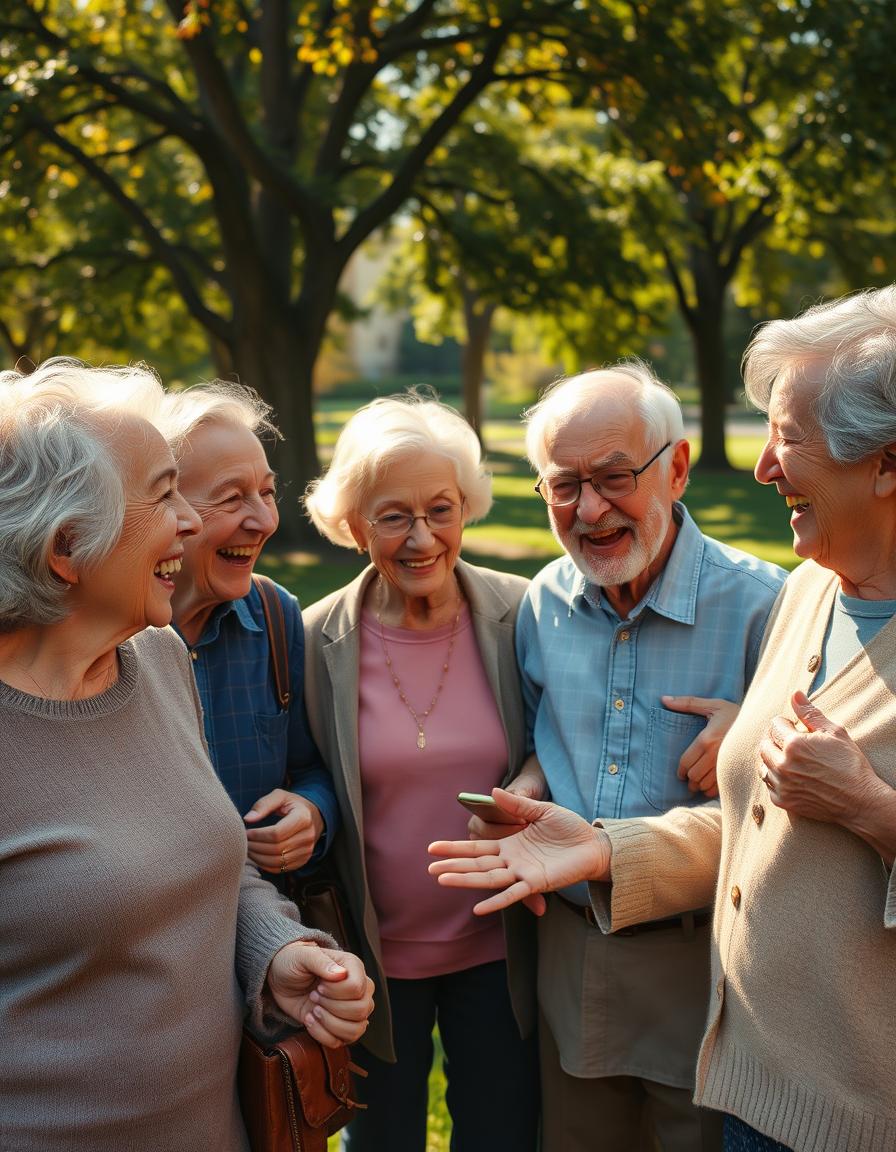
As we grow older, our outlook on life often shifts in surprising ways. While many expect aging to bring about sadness or regrets, research shows that older adults tend to focus more on positive experiences and emotions. This intriguing change has caught the attention of psychologists and researchers, especially Laura Carstensen, whose work on aging reveals fascinating insights into why older adults value positivity more than younger people. Understanding her theory offers a fresh perspective on aging that challenges common stereotypes.
Who Is Laura Carstensen?
Laura Carstensen is a prominent psychologist known for her research on aging and emotional well-being. Her studies have helped reshape how we think about aging by focusing on how older people change emotionally and socially. Key to her findings is the idea that older adults prioritize meaningful and positive experiences, which contrasts with the common belief that aging leads to negativity or loneliness.
Her research on laura carstensen aging has become a cornerstone in psychology, inspiring many to rethink the aging process as a time of emotional growth rather than decline.
The Core Idea: Socioemotional Selectivity Theory
The main explanation behind Laura Carstensen’s theory is called Socioemotional Selectivity Theory (SST). Simply put, this theory suggests that as people get older, they become more aware of their limited time left. This awareness changes their priorities and drives them to focus on what really matters — often positive emotions and close relationships.
When you’re young, there is more time ahead, so people tend to seek out information, new experiences, and a wide social circle. But as people age, there is a natural shift towards quality rather than quantity in relationships and emotional experiences.
The Role of Time Perception
Imagine you’re at a party. If you think the party will last all night, you might wander around meeting lots of new people and chatting about a variety of topics. Now, think of a shorter party with just a few hours left. You’re likely to spend most of your time with close friends rather than random acquaintances.
This example mirrors how older adults perceive their remaining time. With fewer years ahead, they invest energy in experiences that bring happiness and comfort. This unique way of seeing time helps explain why positivity becomes more important with age.
Why Positivity Matters More to Older Adults
Positivity isn’t just about feeling good; it has practical benefits. For older adults, focusing on positive emotions can help improve mental and physical health, boost social connections, and even help with resilience during challenging times.
Laura Carstensen’s work shows that older adults remember positive memories better than negative ones. They also tend to avoid situations that provoke stress or sadness. This selective focus on positivity helps protect their well-being as they face life’s ups and downs.
Benefits of Prioritizing Positivity
- Better Emotional Health: Avoiding negative feelings reduces anxiety and depression.
- Improved Relationships: Spending time with close, supportive friends and family creates a sense of belonging.
- Physical Health: Positivity is linked to lower blood pressure and a stronger immune system.
- Greater Life Satisfaction: Older adults often report feeling happier and more content than younger ones.
Practical Examples of Socioemotional Selectivity Theory
Let’s put this theory into everyday life. Imagine an older person choosing to spend their afternoon gardening with a close friend rather than attending a large, noisy event. The intimate setting aligns with their wish for meaningful connection and positive emotions. Or think about someone preferring to reminisce about joyful moments from the past rather than focusing on regrets.
| Age Group | Social Focus | Emotional Focus | Typical Behavior |
|---|---|---|---|
| Young Adults (20-40) | Wide social network | Seeking knowledge & novelty | Attend parties, meet new people, explore new ideas |
| Middle-Aged (40-60) | Balancing social circles | Mixed emotions, both positive & negative | Focus on career & family, some selectivity in friendships |
| Older Adults (60+) | Close friends & family | Strong focus on positive emotions | Prefer familiar people, avoid negativity, savor positive moments |
How This Theory Helps Us Understand Aging Differently
Laura Carstensen’s theory challenges the idea that aging means decline or loss. Instead, it shows that growing older brings emotional wisdom and a unique way of appreciating life. Appreciating this can help families and caregivers support older adults more effectively.
It also encourages society to rethink how we treat older adults by recognizing their emotional strengths. For instance, community programs that focus on positive social interactions and meaningful activities can improve the quality of life for seniors.
Everyday Tips for Embracing Positivity as We Age
- Invest time in close relationships that feel supportive.
- Engage in hobbies that bring joy and relaxation.
- Limit exposure to negative news or stressful environments.
- Practice gratitude by reflecting on happy memories and accomplishments.
- Stay physically active to boost mood and health.
On a lighter note, finding joy in simple pleasures, like exploring flavors, can be part of this positive approach. For example, if you’re looking for some tasty and nutritious options, check out trader Joe’s healthy snacks that can brighten your day.
Conclusion
Laura Carstensen’s research on laura carstensen aging offers an optimistic and inspiring take on growing older. Her Socioemotional Selectivity Theory explains why older adults tend to value positivity more deeply and how this shift benefits their overall well-being. Aging, through this lens, is not about loss but about focusing on meaningful, joyful experiences that make life richer.
Understanding these emotional changes can help us all appreciate the unique perspectives that come with age and support older individuals in living their best lives. After all, who wouldn’t want to spend their time focusing on what truly makes them happy?

Hey, I’m Zara! I’m all about simple, healthy living and feeling your best every day. On this blog, I share easy wellness tips, real talk about health, and small changes that make a big difference. Let’s keep it real, stay inspired, and feel good, together.