
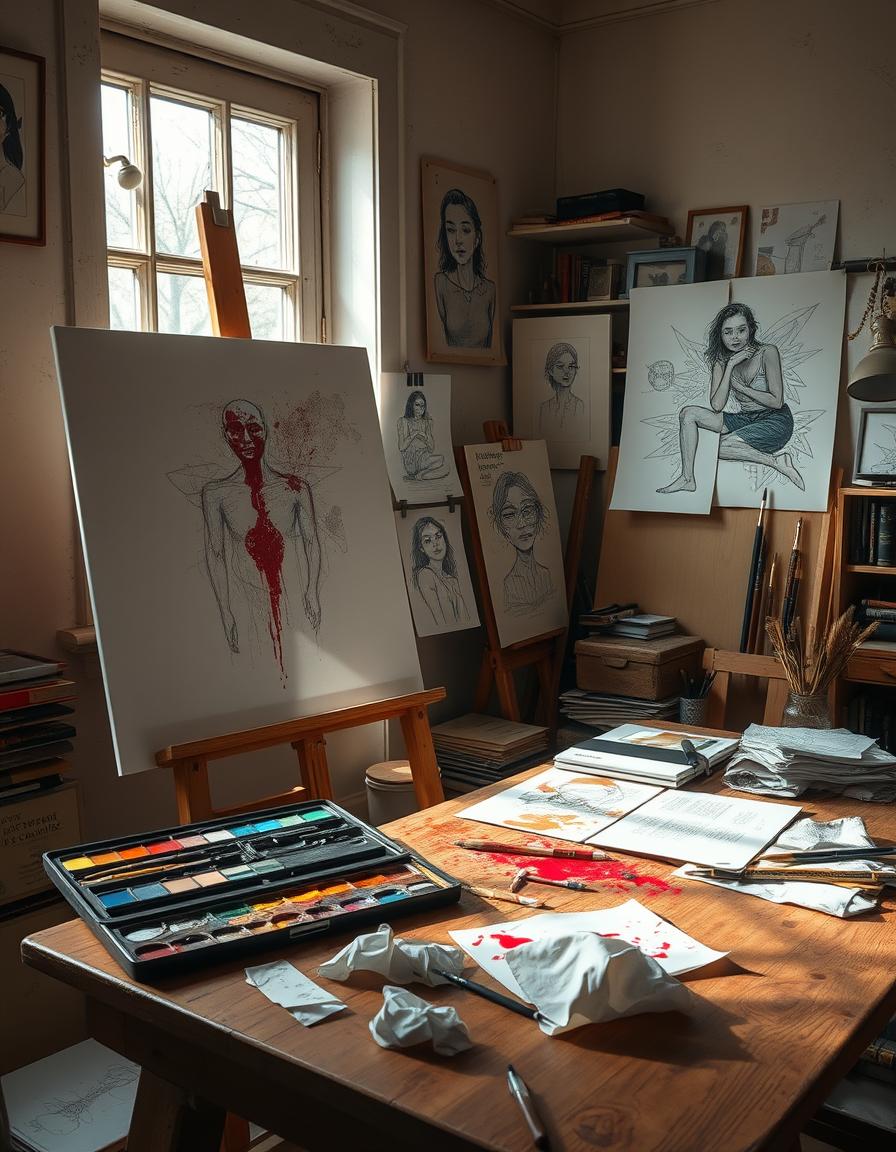
Expressing feelings through art can be a powerful way to cope with depression. Sometimes words aren’t enough to describe the heaviness or confusion inside, but drawing offers a silent outlet where emotions can flow freely. Depression drawing ideas provide a creative path to explore and heal from difficult emotions. Whether you’re an experienced artist or just starting, these ideas can help you process pain, find clarity, and experience some relief.
Why Drawing Helps with Depression
When you’re struggling with depression, it can feel like a storm inside your mind. Drawing helps by giving a voice to emotions that might be hard to say out loud. Creating art can reduce stress, improve mood, and boost self-awareness. It acts like a conversation you have with yourself, where feelings come alive on paper.
Studies have shown that engaging in creative activities like drawing can trigger the release of dopamine, the “feel-good” chemical in the brain. This makes art a natural mood lifter. Plus, focusing on drawing can distract you from negative thoughts, even if just for a little while.
Getting Started with Depression Drawing Ideas
Starting with blank paper can seem scary. Where do you begin? The secret is simple: there’s no right or wrong way to do it. Here are some easy ways to get started:
- Choose tools you enjoy—pencils, crayons, markers, or paints.
- Pick a quiet, comfortable space with minimal distractions.
- Give yourself permission to create without judgment.
- Focus on how you feel rather than on the final product.
Drawing Emotions
Try putting your feelings into shapes, colors, and lines. For example, jagged lines might express anger or anxiety, while soft curves could represent sadness or calm. Use colors that match your mood, even if they don’t “look good” together. This kind of drawing can reveal what’s hidden inside.
Symbolic Imagery
Use symbols or objects that represent your inner experience. A heavy backpack might symbolize burdens, a cracked mirror could show feelings of brokenness, or a stormy sky might express chaos. Drawing these images helps make abstract feelings more tangible.
Unique Depression Drawing Ideas to Try
Here are some creative approaches you can experiment with. Each idea aims to make expressing your emotions easier and more meaningful.
| Drawing Idea | Description | How It Helps |
|---|---|---|
| Color Mood Wheel | Create a circle divided into segments, coloring each based on your mood that day. | Visualizes changing emotions and helps identify patterns. |
| Self-Portrait | Draw yourself with exaggerated features or emotions you feel inside. | Increases self-awareness and empathy towards yourself. |
| Scene of Escape | Illustrate a place where you feel safe or happy, real or imagined. | Promotes positive thinking and hope. |
| Dark vs. Light Contrast | Draw halves of a page showing darkness and light battling or coexisting. | Explores inner conflict and balance. |
| Abstract Emotion Lines | Use chaotic or smooth lines to represent your emotional energy. | Expresses feelings without words or images. |
Tips to Enhance Your Healing Through Drawing
To get the most out of your art sessions, remember these friendly reminders:
- Consistency matters: Set aside a few minutes daily or weekly to draw.
- Make it personal: Use ideas that resonate with you, not what others expect.
- Be kind to yourself: There’s no perfect drawing. The value is in the process.
- Reflect: After drawing, take a moment to think about what you created and how it made you feel.
- Combine with other activities: Sometimes journaling or talking to a trusted friend helps deepen your insight.
While drawing is a helpful tool, don’t forget to take care of your physical self, too. For example, choosing the best serum for sensitive skin can boost your confidence and self-care routine, reminding you that healing includes your whole being.
Using Drawing as a Daily Emotional Check-In
You can turn drawing into a daily habit that acts as an emotional thermometer. It doesn’t need to be complicated—just doodle or color for five to ten minutes, noting how your mood shifts over time. This practice can reveal surprising trends or triggers and empower you to respond better.
Simple Daily Drawing Routine
- Grab your favorite drawing supplies.
- Spend a few minutes capturing your mood or thoughts visually.
- Label or write a few words beside your drawing.
- Keep all your drawings in a notebook or folder.
- Review them weekly or monthly for insights.
When to Seek Additional Help
Drawing can be a wonderful aid but isn’t a substitute for professional support if your depression worsens or feels too heavy. If you experience overwhelming sadness, thoughts of self-harm, or sudden changes in behavior, reach out to a counselor, therapist, or trusted adult. Combining art with therapy creates a well-rounded healing journey.
Conclusion
Depression drawing ideas provide a special outlet to voice feelings without words. Through colors, shapes, and symbols, you can start understanding yourself better and lighten your emotional burden. The value lies in the act of creation, where emotions meet paper, allowing healing to begin. Remember, this process is for you—there’s no pressure to be “good” at drawing. Just pick up your tools and let your heart guide your hand. Your feelings deserve to be seen and heard, even in silence.

Hey, I’m Zara! I’m all about simple, healthy living and feeling your best every day. On this blog, I share easy wellness tips, real talk about health, and small changes that make a big difference. Let’s keep it real, stay inspired, and feel good, together.