
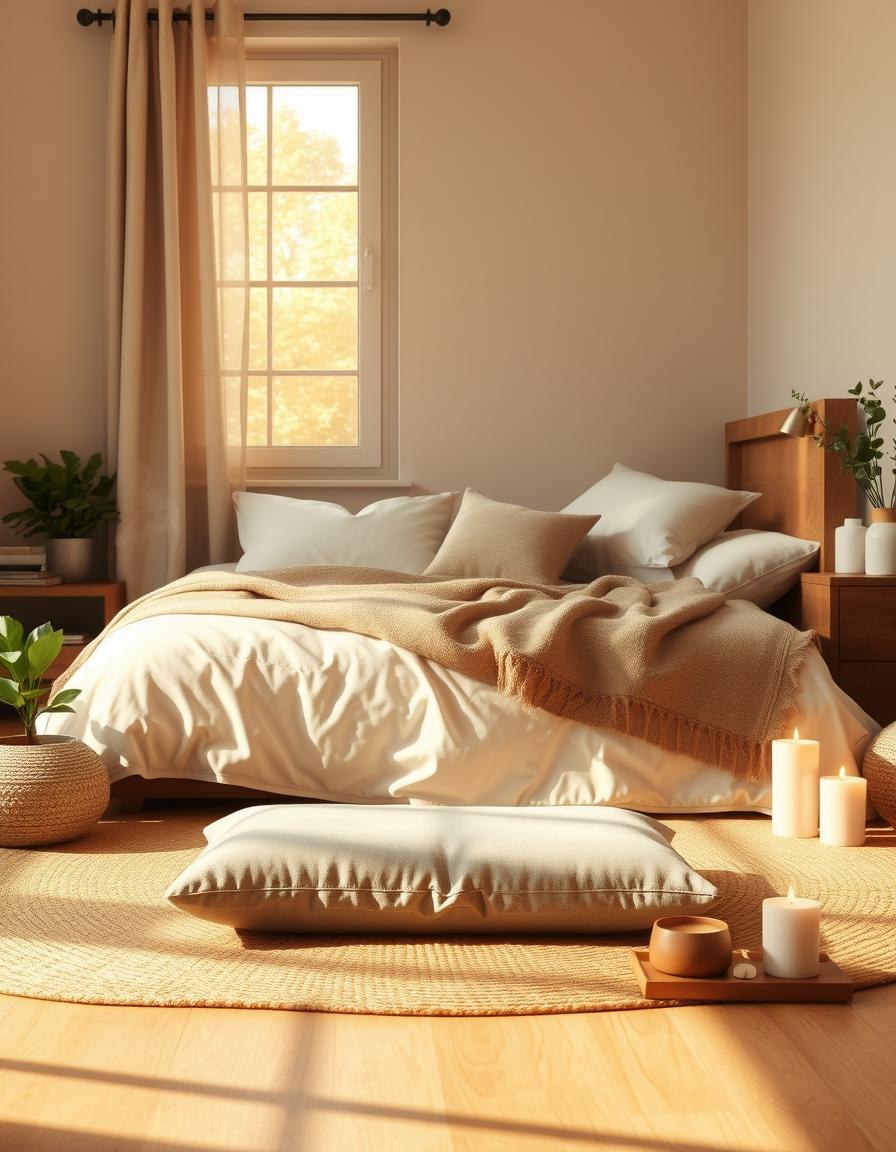
Feeling restless at night or anxious during the day can be overwhelming. Many people struggle with calming their minds enough to get restful sleep or to ease anxiety without turning to medication. Luckily, there’s a natural approach that offers a gentle yet powerful solution: meditation for sleep and anxiety. This simple practice can help ease tension, quiet racing thoughts, and promote a deep sense of peace, making it easier to fall asleep and face the day with a calmer mindset.
Understanding Meditation and Its Benefits
Meditation is an ancient practice that involves focusing your mind to achieve a state of mental clarity and emotional calm. There are many types of meditation, but the goal remains the same—helping you become more present and less caught up in stressful thoughts. For people struggling with sleep issues or anxiety, meditation offers a natural way to slow down the body’s “fight or flight” response and activate the relaxation response.
How Meditation Helps Sleep
When you’re anxious or your mind is buzzing with worries, falling asleep can be a challenge. Meditation encourages relaxation by lowering your heart rate and reducing the production of stress hormones like cortisol. With regular practice, meditation helps your mind and body wind down, creating an environment where sleep can come easier and last longer.
Here are a few ways meditation impacts sleep positively:
- Reduces thoughts that keep you awake
- Relaxes muscles and eases tension
- Decreases the time it takes to fall asleep
- Improves sleep quality and duration
Meditation’s Role in Reducing Anxiety
Anxiety can cause your mind to race with endless “what if” scenarios, making it hard to stay calm or focused. Meditation helps by training your brain to observe these thoughts without getting tangled up in them. Over time, this creates a sense of distance from your worries and lessens their hold on you.
People who meditate often report:
- Lower levels of stress hormones
- Better emotional regulation
- Increased feelings of calm and control
- Improved ability to focus and stay present
Simple Meditation Techniques to Try
If you’re new to meditation, starting can feel a bit intimidating. The good news is you don’t need to sit cross-legged for hours or chant mantras to benefit. Here are a few beginner-friendly techniques that work well for sleep and anxiety.
1. Mindful Breathing
This is the simplest form of meditation. Find a comfortable position, close your eyes, and pay attention to your breath. Notice the feeling of the air entering and leaving your nose or mouth. When your mind wanders, gently guide it back to your breathing. Even just five minutes can help silence anxious thoughts and relax your body.
2. Body Scan Meditation
Lie down comfortably and focus on each part of your body, starting from your toes to your head. Notice any tension or discomfort and imagine breathing into that area, releasing tightness as you exhale. This practice helps you become aware of physical sensations, promoting deep relaxation and easing stress.
3. Guided Imagery
Listening to a guided meditation recording that walks you through a calming scene—like a beach or forest—can be very helpful. Visualizing peaceful environments distracts your mind from anxiety and invites restful feelings that prepare you for sleep.
Creating a Meditation Routine for Sleep and Anxiety
Consistency is key to experiencing the full benefits of meditation. Setting aside time each day helps train your brain to relax on cue. Here are some tips for building a simple, enjoyable routine:
| Tip | Description |
|---|---|
| Pick a Quiet Spot | Choose a calm space where you won’t be disturbed to practice meditation. |
| Short Sessions | Start with 5-10 minutes daily and gradually increase as you get comfortable. |
| Regular Time | Meditate at the same time each day, such as before bed or after waking up. |
| Use Tools | Apps, videos, or audio guides can support your meditation practice. |
| Be Patient | Understand that progress may be slow; gentle persistence pays off. |
Adopting meditation can also fit nicely with other natural self-care habits. For example, pairing your practice with a calming evening hair care routine for frizzy hair https://renewedaging.com/best-hair-care-routine-for-frizzy-hair-at-home/ creates a peaceful wind-down ritual that signals your body it’s time to relax.
Common Myths About Meditation
Sometimes, people avoid meditation because they believe it’s complicated or only for certain types of people. Let’s bust some myths:
- You must clear your mind completely. Actually, it’s normal for thoughts to come and go—meditation is about noticing them without getting caught up.
- It takes hours a day. Even a few minutes can be beneficial.
- Meditation is religious. It can be a spiritual practice but doesn’t require any particular belief system.
- You have to sit cross-legged. You can meditate sitting in a chair, lying down, or even walking.
Tips to Enhance Your Meditation Experience
Adding some simple touches can make meditation more enjoyable and effective:
- Light a candle or use essential oils like lavender to create a relaxing atmosphere.
- Wear comfortable clothes that don’t restrict breathing or movement.
- Practice evening meditation to help signal your body it’s time for sleep.
- Keep a journal to note how meditation affects your mood and sleep patterns.
Conclusion
Meditation for sleep and anxiety provides a natural, gentle way to calm the mind and body. It takes only a few minutes a day to start noticing improvements in your ability to relax, fall asleep, and manage anxious thoughts. By exploring simple techniques like mindful breathing, body scans, or guided imagery, you can find what works best for you. Remember, the key is consistency and kindness toward yourself—there’s no perfect way to meditate, only your unique journey toward more peaceful nights and calmer days.

Hey, I’m Zara! I’m all about simple, healthy living and feeling your best every day. On this blog, I share easy wellness tips, real talk about health, and small changes that make a big difference. Let’s keep it real, stay inspired, and feel good, together.