
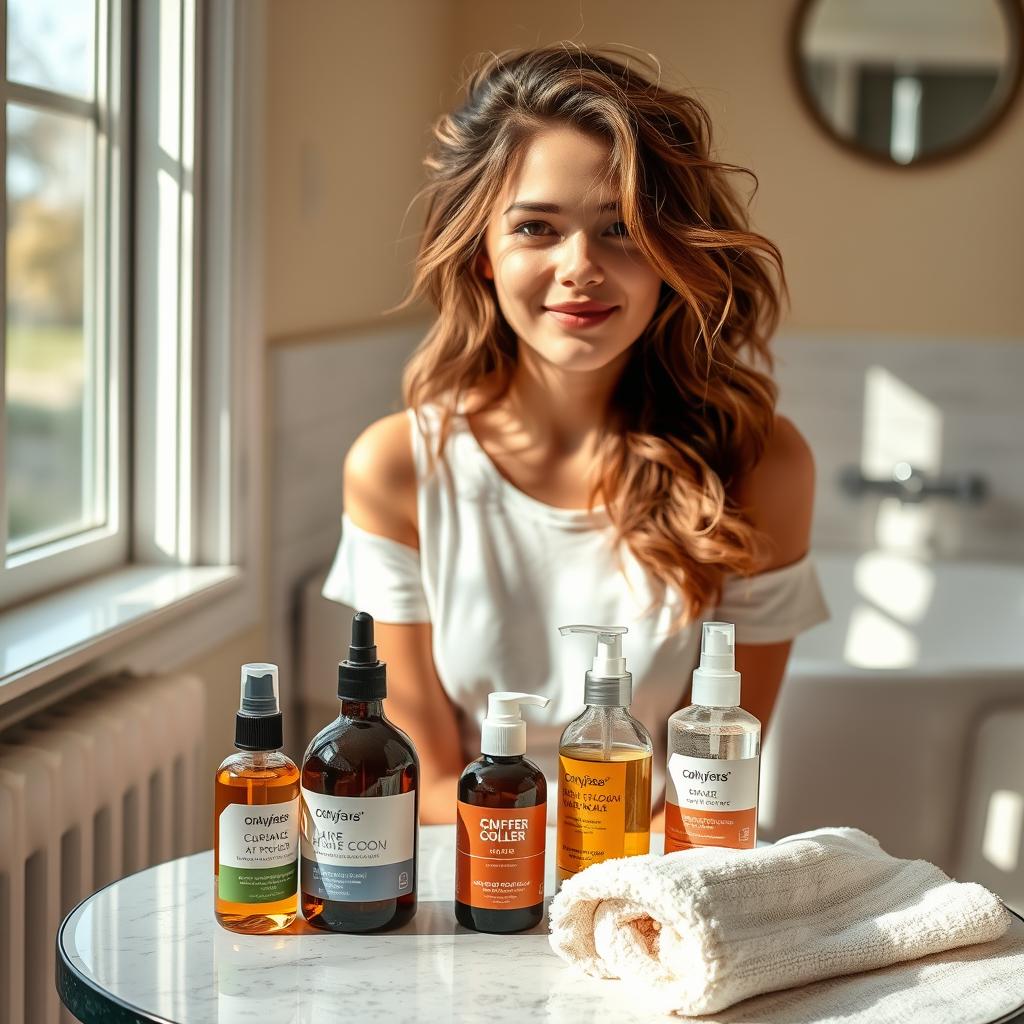
Frizz can often feel like the ultimate hair care battle. If your strands tend to go rogue, you’re not alone. Frizz typically occurs when your hair lacks moisture, reacts to humidity, or suffers from damage think over-styling or improper washing techniques. The good news? Taming it doesn’t require an expensive salon visit. With a little care, the right products, and smart techniques, you can achieve smoother, healthier hair right at home. Want to know the secret? It’s all about following a consistent hair care routine for frizzy hair that’s tailored to your needs. Below, we’ve shared a simple, step-by-step approach that combines DIY methods with affordable, store-bought products to help you put frizz in its place:
- Start with Proper Washing Techniques: Use lukewarm water to rinse your hair hot water can strip moisture. Opt for a moisturizing, silicone-free shampoo to hydrate your strands without weighing them down.
- Condition Intelligently: Apply a deep conditioning mask once a week to boost moisture levels. Focus on the mid-lengths and ends for maximum hydration while avoiding buildup at the roots.
- Dry with Care: Ditch the regular towel for a microfiber one or a cotton t-shirt to gently pat your hair dry. Avoid rough towel-drying, which exacerbates frizz.
- Define Your Styling Ritual: Apply a lightweight mousse or alcohol-free gel to help define and tame while maintaining a soft finish. Scrunch your hair gently to enhance natural texture.
- Combat Frizz on the Go: Keep a nourishing hair mist handy to refresh your locks throughout the day, especially during humid conditions.
These small adjustments can make a big difference in how your hair behaves. Remember, consistency is key! Give your hair the care it deserves, and soon you’ll notice a smoother, more polished look every time you step out.
Understand Your Hair Type and the Root Cause of Frizz
Frizz isn’t one-size-fits-all it behaves differently depending on your hair type. Are your strands straight, wavy, curly, or coily? Knowing your unique hair type is the first step in conquering frizz. For instance, straight hair may show frizz primarily at the ends, while curly or coily textures often contend with dryness and puffiness throughout. Wavy hair tends to fall somewhere in the middle, battling flyaways and uneven texture. So, what’s causing the frizz in the first place? Common culprits include:
- Humidity: Excess moisture in the air swells the hair cuticle, creating a frizz frenzy sound familiar?
- Heat Damage: Frequent use of hot styling tools can disrupt your hair’s natural structure, leaving it vulnerable to frizz.
- Lack of Moisture or Protein: Dryness and an imbalance in hair’s protein can strip it of resilience, leaving strands prone to breakage and unruly texture.
Maintaining balance in your hair is like taking care of your skin. Just as you might rely on a vitamin C serum to brighten your complexion, your hair needs the right combination of hydration and structure-strengthening ingredients to look and feel its best.
| Hair Type | Common Frizz Challenges | Care Tips |
|---|---|---|
| Straight | Split ends, humidity-induced puffiness | Use lightweight serums and seal ends with oils |
| Wavy | Flyaways, uneven texture | Scrunch with gel and air dry to retain waves |
| Curly | Dryness, shrinkage | Apply leave-in conditioners and avoid over-combing |
| Coily | Brittle ends, extreme dryness | Deep condition regularly and opt for protective styles |
Pre-Wash: Weekly Oil Treatment or Hair Mask
Ever wonder why your hair feels like it’s crying out for moisture before you even step into the shower? That’s because frizz often starts with dryness. Pre-wash treatments like an oil application or a nourishing hair mask are game-changers for managing frizzy hair. By feeding your strands a dose of intense hydration before cleansing, you’re not just taming frizz you’re laying the groundwork for shiny, smooth locks. Here’s where natural oils come in handy. Choosing the right oil helps address specific concerns, whether you’re fighting flyaways, dryness, or even breakage. Wondering which one works best for you? Let’s break it down:
- Coconut Oil: Loved for its deep hydration properties, coconut oil is a go-to for replenishing moisture. It penetrates the hair shaft, tackling dryness from the inside out.
- Argan Oil: Known as “liquid gold,” this lightweight, vitamin-rich oil smooths frizz and gives your strands that elusive shine without weighing them down.
- Olive Oil: Not just for cooking! Olive oil strengthens your hair by adding elasticity, cutting down on breakage, and keeping moisture locked in.
If oils aren’t your thing, swap them out for a DIY hair mask. Mix ingredients like avocado, yogurt, or honey to create a personalized treatment. These masks work wonders to soften and hydrate, leaving your hair more manageable. And don’t worry they’re perfect for lazy Sundays when you’re binge-watching your favorite show! Apply your oil or mask to dry hair, focusing on the mid-lengths to ends where frizz usually starts. Let it sit for 30 minutes (or longer if you’ve got time) before rinsing it out with lukewarm water. Pro tip: Use this weekly to make frizz a distant memory!
Wash Routine – Sulfate-Free Shampoo
Struggling with unmanageable frizz? Your wash routine may hold the key to smoother, healthier hair. Frizzy hair craves moisture and gentle care, which makes sulfate-free shampoos a must-have in your hair arsenal. Sulfates, while effective at removing oil and dirt, can strip your hair of natural oils, leading to dryness and amplified frizz.

Opting for sulfate-free cleansers ensures your hair retains its moisture and shine without compromising on cleanliness. Wondering how often to wash your hair? For most individuals with frizz-prone locks, 2-3 washes per week strikes the perfect balance. Over washing can dry out your strands, while under washing may leave your scalp feeling oily. Start by focusing the shampoo application on your scalp rather than your hair ends. Why? The scalp holds excess oils and buildup, while your ends are the most fragile and prone to damage.
Top Tips for a Game-Changing Wash Routine
- Use lukewarm or cool water: Hot water may feel relaxing, but it opens your cuticle layer and encourages frizz. Cooler water helps seal the cuticle, giving your hair that sought-after smoothness.
- Massage, don’t scrub: Gently massage your scalp with your fingertips instead of harsh scrubbing to boost circulation and cleanliness without irritating your scalp.
- Finish with a rinse: A cool rinse after washing locks in hydration and minimizes frizz.
Why Sulfate-Free Shampoos Matter
| Feature | Impact on Frizzy Hair |
|---|---|
| Prevents moisture loss | Helps retain hydration, reducing dryness and frizz. |
| Gentle cleansing | Mild formulas avoid stripping natural oils essential for smooth hair. |
| Safe for all hair types | Ideal for wavy, curly, fine, or textured hair prone to frizz. |
Remember, your wash routine sets the foundation for your hair care journey. With the right techniques and products, taming frizz becomes a lot less daunting and your hair much more fabulous!
Conditioner – The Frizz Control MVP
Imagine this: you’ve just shampooed your hair, rinsed out the suds, and your strands are craving moisture. Here’s where conditioner swoops in as the hero of your hair care routine for frizzy hair. Conditioning isn’t just an optional step it’s essential for keeping frizz at bay and giving your locks the moisture boost they desperately need. Are you applying your conditioner the right way? To get the most out of its frizz-fighting powers, focus on the mid-lengths to ends of your hair, where dryness and damage are most prominent. Avoid loading the product at the roots, as this can lead to buildup and weigh your hair down. Need guidance on which conditioner to choose? Look for ingredients like shea butter, keratin, argan oil, and glycerin. These are your secret weapons for hydration, repair, and smoothing.
- Shea Butter: Deeply hydrates while taming unruly strands.
- Keratin: Repairs damage and enhances shine.
- Argan Oil: Delivers silky softness without greasiness.
- Glycerin: Locks in moisture and combats humidity.
If regular rinse-out conditioner isn’t cutting it, consider stepping up your routine with leave-in conditioners or conditioning masks. These products provide longer-lasting nourishment, especially for hair that’s prone to frizz in humid weather. Now, let’s talk about detangling you’d be surprised how much impact technique has on reducing frizz. Gently detangle your hair while conditioning, using either a wide-tooth comb or your fingers to minimize breakage and preserve your natural texture. Harsh combing can disrupt your hair’s structure, so be kind to your strands! In the world of frizz control, conditioner truly is the MVP. Give your hair the TLC it deserves, and watch how every strand softens, smooths, and shines.
Post-Wash Care – Lock in Moisture
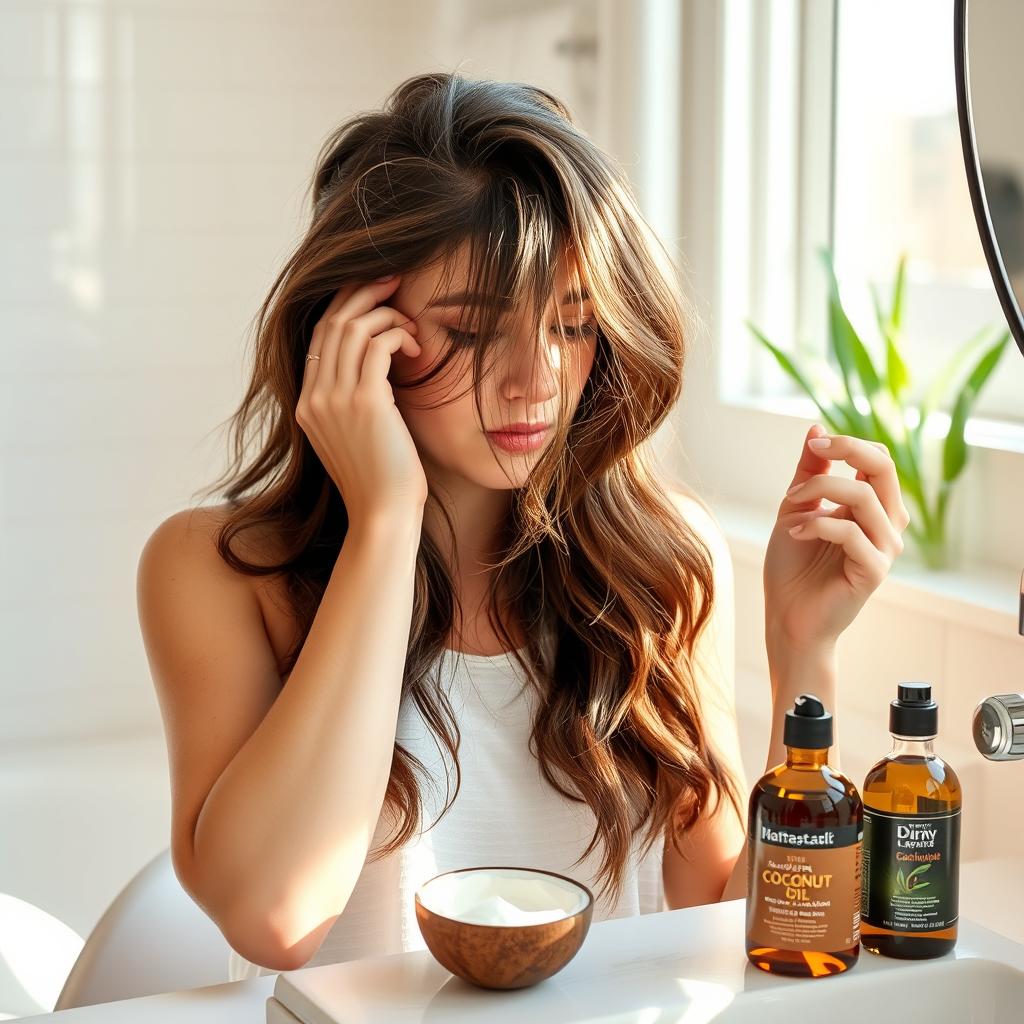
Let’s talk about what happens after you wash your hair it’s the critical moment where moisture retention is key in taming frizz. The way you treat your hair post-wash can make all the difference between a sleek look and an unruly mane. Are you guilty of grabbing a regular bath towel and rubbing it aggressively? If yes, it’s time to switch things up.
Choose the Right Drying Tool
Using the wrong towel can create friction and worsen frizz. Opt for a microfiber towel or an old cotton T-shirt for drying your hair. These gentler materials absorb water without roughing up your hair cuticles. Instead of rubbing, gently scrunch your hair or pat it dry to maintain your natural texture and avoid damage.
Hydrate with Leave-In Products
Once your hair is damp, it’s time to nurture those locks. Apply a leave-in cream or serum tailored to frizz control. Hair serums containing ingredients like argan oil or silicone-free formulations work wonders here. Are you a fan of DIY remedies? A simple mix of aloe vera gel and jojoba oil creates a lightweight, all-natural serum that hydrates while smoothing flyaways.
Handle with Care
One common mistake people make is brushing their hair when it’s dry. Avoid it entirely unless you want to risk increasing frizz. Instead, use a wide-tooth comb while your hair is damp, ensuring minimal breakage and maintaining natural wave or curl patterns.
Quick Reference Table
| Step | What to Use | Key Tip |
|---|---|---|
| Drying | Microfiber Towel / Cotton T-Shirt | Scrunch or pat dry don’t rub! |
| Hydration | Leave-in Serum / DIY (Aloe Vera + Jojoba Oil) | Apply on damp hair for best frizz control. |
| Combing | Wide-Tooth Comb | Comb only when hair is damp, not dry. |
These small yet impactful adjustments to your post-wash routine can transform your frizzy hair into smooth, manageable locks no fancy tools or expensive products needed. Try them out, and you may notice a dramatic difference in your hair texture almost immediately!
Styling Tips – Heat-Free & Frizz-Free
If your hair tends to rebel against humidity or looks like it’s having a bad hair day every day, taming frizz doesn’t have to mean relying on heat tools or expensive treatments. Instead, why not embrace strategies that are kinder to your hair and your pocket? Here are some heat-free styling tips to keep your locks smooth and manageable, all while protecting them from unnecessary damage.
Protective Hairstyles: Your Secret Weapon
Ever tried protective hairstyles like braids, buns, or twists? These options aren’t just great for keeping frizz at bay they also shield your hair from exposure to harsh environmental factors. Think of them as stylish armor for your strands! Choose a loose braid for effortless chic or go for a low bun to keep your ends hydrated and tucked away.
DIY Hair Care Solutions
You don’t have to head to the beauty aisle for every solution. Have you ever considered making your own hair gel? Flaxseed gel, for instance, is easy to make and works wonders for frizz control. If you’d prefer a hydrating boost, aloe vera gel is a fantastic natural alternative. Both options give you smooth definition and hold without the crunch or residue of store-bought products.
Best Practices for Heat Styling
Sometimes a little heat is unavoidable but if you do reach for a dryer or straightener, make sure it’s not at the expense of your hair’s health. Here’s how you can minimize damage:
- Always apply a heat protectant before styling. This creates a protective barrier that reduces damage.
- Opt for minimal heat settings instead of blasting your hair on full power. Slower, gentler heat is better in the long run.
- Focus on drying your hair when it’s partially air-dried this reduces time under the dryer and helps preserve moisture.
Embrace Air Drying
When possible, let your hair air dry naturally. In fact, scrunching your damp strands gently with a microfiber towel or cotton T-shirt can help enhance texture while reducing frizz. It’s a simple swap that works especially well for wavy or curly hair types. From protective hairstyles to DIY gels, there are so many ways to style your hair without sacrificing its health. So, which trick will you try first?
Weekly and Monthly Deep Treatments for Frizzy Hair
Managing frizzy hair doesn’t just stop at everyday products it requires a little extra TLC. To truly transform your hair’s texture, weekly and monthly deep treatments are essential. Let’s dive into the steps that can revolutionize your hair care routine for frizzy hair.

Weekly Deep Conditioning
Your hair deserves hydration, and deep conditioning once a week will deliver just that. Opt for a product packed with nourishing oils like argan or coconut, or try a DIY treatment with avocado and honey. Apply liberally, focusing on the ends, and let it soak for 20-30 minutes before rinsing with lukewarm water. This weekly ritual locks in moisture and helps repair dry, damaged strands.
Bi-Weekly or Monthly Protein Treatments
Why protein? Think of it as your hair’s structural booster. Depending on your hair type, consider adding a protein treatment every two weeks or once a month. A DIY egg mask (rich in proteins and fats) or gelatin hair mask can strengthen strands and reduce breakage. Combine the treatment with gentleness use wide-tooth combs to distribute the product evenly without tugging at your hair. After rinsing, you’ll notice a smoother, more resilient finish.
Monthly Clarifying Treatments
Product buildup can exacerbate frizz, weighing your hair down and inhibiting moisture absorption. A monthly clarifying rinse, like a diluted apple cider vinegar solution, is your secret weapon. Mix 2-3 tablespoons of vinegar with one cup of water, pour it over your hair post-shampoo, and rinse thoroughly to remove residue. Bonus: Apple cider vinegar balances your scalp’s pH, allowing healthier growth.
At-a-Glance Treatment Schedule
Consistency is key, so here’s a simple breakdown of when to fit these treatments into your routine:
| Treatment | Frequency | Key Benefits |
|---|---|---|
| Deep Conditioning | Weekly | Hydrates, repairs dryness, and boosts shine |
| Protein Treatment | Bi-weekly or Monthly | Strengthens hair, reduces breakage, and smooths texture |
| Clarifying Treatment | Monthly | Removes buildup, balances scalp pH, enhances moisture |
Night Care Routine for Frizzy Hair
Ever wondered why your hair feels frizzier in the morning? Like most beauty woes, the answer lies in your nighttime habits and hair care routine for frizzy hair. A few simple tweaks before bed can work wonders, leaving you to wake up with smoother, healthier-looking locks. Let’s dive into what your night care routine needs to banish frizz for good. First, take a look at your pillowcase. Did you know that your typical cotton pillowcase can cause hair friction and moisture loss while you sleep? Instead, swapping it for satin or silk pillowcases is a game changer.

These luxurious materials reduce tugging, helping your hair retain its natural oils and minimizing overnight frizz. To add another layer of protection, consider securing your hair to prevent tangling and breakage. Loose braids are a fantastic option for wavy or curly hair, allowing your natural texture to stay intact. Alternatively, if you’re looking for extra frizz control, wrapping your hair in a soft scarf or sleeping with a satin bonnet can make all the difference. And let’s not forget about nourishment! Overnight hydration can be your best friend in fighting frizz. Before bed, gently apply a few drops of light oil, such as argan or jojoba oil, to the ends of your hair. This locks in moisture while offering deep conditioning while you sleep.
- Pillowcase Upgrade: Switch to a satin or silk pillowcase for reduced friction and moisture loss.
- Protective Styling: Use a loose braid, scarf, or satin bonnet to minimize tangles and breakage overnight.
- Hydration Boost: Apply a few drops of light oil for added nourishment and shine.
Adopting these simple habits won’t just tackle frizz it’ll transform your hair care routine entirely. Why not give these tricks a try tonight? Your mornings will thank you!
Diet and Hydration for Long-Term Hair Health
Did you know that the foods you eat and the amount of water you drink can play a significant role in your hair care routine for frizzy hair? Proper nutrition and hydration aren’t just about achieving glowing skin or staying energized they directly affect your hair’s texture, shine, and resistance to frizz. Let’s dive into the essentials for nourishing your hair from within.
Key Nutrients to Fight Frizz
- Omega-3 Fatty Acids: Promote scalp health and strengthen hair follicles, reducing dryness that leads to frizz.
- Biotin: Vital for keratin production, ensuring smooth, strong hair strands.
- Zinc: Minimizes hair thinning while supporting overall growth.
- Iron: Boosts circulation and delivers oxygen to hair roots for better texture and reduced breakage.
Foods to Include in Your Diet
To incorporate these nutrients effectively, focus on including the following foods in your daily meals:
| Nutrient | Food Source |
|---|---|
| Omega-3 Fatty Acids | Salmon, walnuts, chia seeds |
| Biotin | Eggs, almonds, sweet potatoes |
| Zinc | Pumpkin seeds, chickpeas, lentils |
| Iron | Spinach, lean red meat, tofu |
The Importance of Staying Hydrated
Frizzy hair is often a sign of dehydration, not just externally but internally. Drinking at least 2-3 liters of water each day keeps your scalp hydrated, supports healthy oil production, and prevents hair from drying out. If you struggle to meet your daily water goals, try adding hydrating foods like cucumbers and watermelon to your diet.
Should You Consider Supplements?
For added support, supplements such as collagen, biotin, or multivitamins can be game-changers for your hair’s health but always consult with a doctor before starting a new regimen. Remember, personalized solutions yield the best results, so listen to your hair’s unique needs.
Consistency is the unsung hero of any successful hair care routine for dry & frizzy hair, especially when you’re battling the unpredictable texture of frizz. By developing a regular schedule that works with your hair type and lifestyle, you’ll see transformative results over time. Incorporating natural and moisturizing products into your routine is an effective way to achieve smoother, hydrated locks without overloading them with harsh chemicals. Look for nourishing ingredients like aloe vera, shea butter, or argan oil in your shampoos, masks, and leave-in conditioners they can work wonders for retaining moisture and taming frizz.
Avoiding heat tools like flat irons and blow dryers is another must. While they can provide instant results, excessive heat strips your hair of its natural oils and leads to even more dryness in the long run. Instead, opt for air drying or use a microfiber towel to gently pat your hair dry scrunching lightly works great for enhancing texture without causing breakage. Don’t underestimate the importance of protecting your hair at night either! A few small changes to your bedtime routine can dramatically reduce frizz. Try these techniques:
- Switch to a silk or satin pillowcase to minimize friction and preserve moisture.
- Wrap your hair in a loose satin or silk scarf to keep it secure overnight.
- Apply a light leave-in conditioner before bed for added hydration.
Ultimately, every frizz-fighting journey is unique, so adapt this routine to best suit your hair’s needs. What works wonders for curly hair might differ for wavy or fine hair. How do you tackle frizz? Share your personal hacks or go-to products in the comments we’d love to hear from you!

Hey, I’m Zara! I’m all about simple, healthy living and feeling your best every day. On this blog, I share easy wellness tips, real talk about health, and small changes that make a big difference. Let’s keep it real, stay inspired, and feel good, together.