
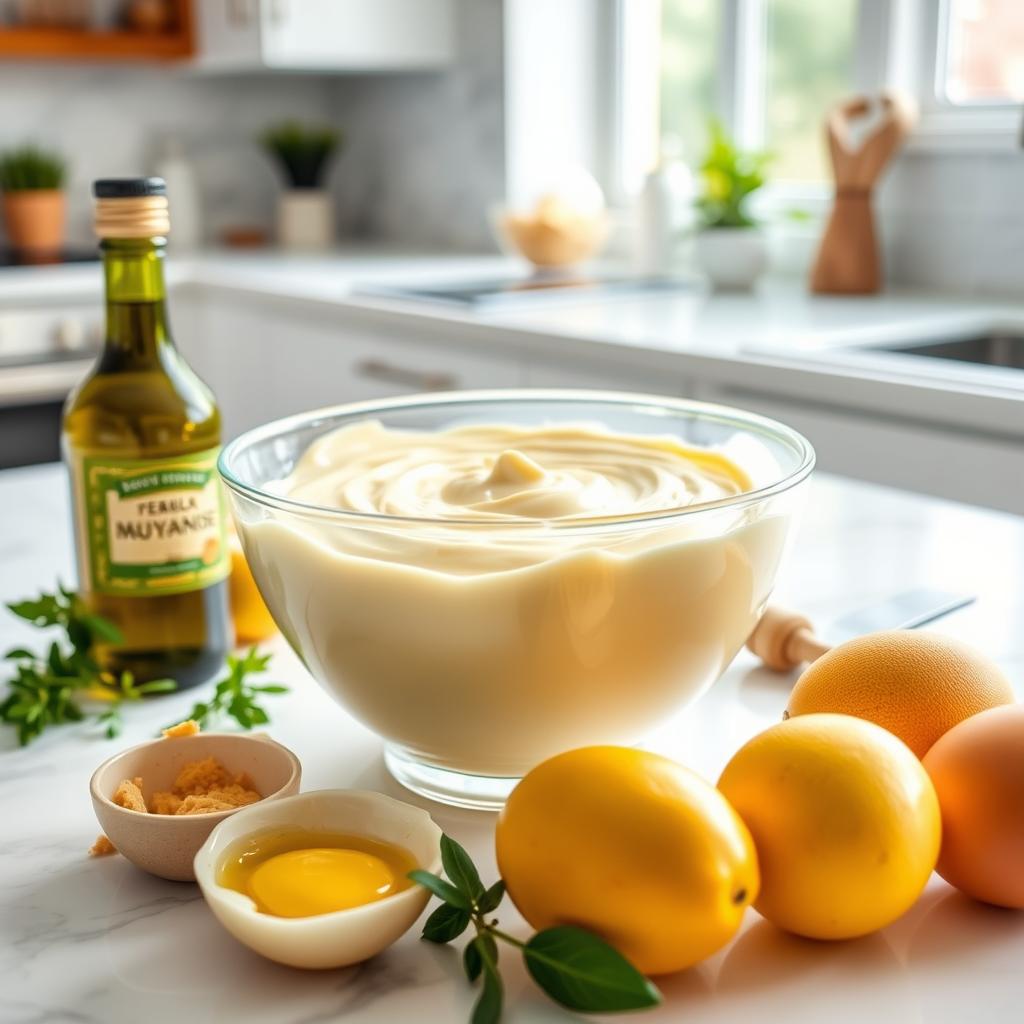
Mayonnaise is a staple in many kitchens, adding a creamy touch to sandwiches, enhancing salad dressings, or serving as the perfect companion for dipping your favorite snacks. But let’s be honest, traditional mayonnaise, with its high fat and calorie content, isn’t always the most waistline-friendly option. That’s why more and more people are searching for low calorie alternatives that are just as delicious, but also align with their goals for healthier eating and weight loss.
The good news? Making low calorie mayonnaise at home is not only possible but incredibly easy! Whether you’re cutting calories for dietary restrictions or just looking for a lighter option, you can whip up a healthier version in minutes using simple ingredients. You might already have everything you need in your kitchen.
How to Make Low Calorie Mayonnaise at Home
- Swap full-fat ingredients: Replace traditional oils with options like avocado oil or low-fat yogurt to cut down on calories.
- Skip the egg yolks: Opt for ingredients like Greek yogurt, boiled eggs, or silken tofu for a creamy, protein-packed alternative.
- Flavor it your way: Add tangy elements like lemon juice, apple cider vinegar, or a touch of Dijon mustard to bring your mayo to life.
If convenience is key, tools like immersion blenders or electric mixers make the process foolproof in under five minutes. Homemade, low calorie mayonnaise lets you take charge of the ingredients no mysterious preservatives, just clean, wholesome flavors that fit your lifestyle. Why settle for store-bought when you can create your masterpiece?
What Makes Regular Mayonnaise High in Calories
Have you ever wondered why traditional mayonnaise is so calorie-dense? It all comes down to a combination of simple yet rich ingredients. At the heart of every batch of classic mayo are two key components: egg yolks and full-fat oil, typically canola or soybean. The egg yolks provide the essential emulsifiers that give mayonnaise its creamy texture, while the oil serves as the primary source of fat. Together, these ingredients create a smooth and indulgent spread, but they also pack a significant caloric punch.
To put this into perspective, a single tablespoon of mayonnaise contains around 90–100 calories. Why so high? The oil alone accounts for the bulk of these calories, given that one gram of fat equals nine calories. When you consider that most may recipes use upward of ¾ to 1 cup of oil per batch, it’s no surprise that this condiment can quickly tip the scales. This leads many to ask, is mayonnaise bad? While the answer depends on your dietary goals, it’s essential to understand exactly what you’re putting on your plate.
| Ingredient | Calories per Tablespoon | Main Role |
|---|---|---|
| Canola Oil | 120 | Fat source, creaminess |
| Egg Yolk | 55 | Emulsifier |
| Lemon Juice | 4 | Acidity, flavor |
| Dijon Mustard | 15 | Flavor, mild emulsifier |
If you’re mindful of calories, traditional mayo might feel like an indulgence. Fortunately, health-conscious alternatives made with lower-fat ingredients or oil-free variations can offer the same creamy satisfaction at a fraction of the caloric cost. Whether you choose Greek yogurt, silken tofu, or avocado oil, these swaps allow you to enjoy your favorite recipes without compromising on taste or texture.
Ingredients for Low Calorie Mayonnaise
Who says you have to give up creamy, flavorful mayonnaise when you’re watching your calories? By swapping out traditional high-fat ingredients for smart, lower-calorie substitutes, you can whip up a healthier version of this classic dressing in no time. Let’s talk about the bases that serve as the foundation for low calorie mayonnaise, each bringing its texture, taste, and nutritional benefits to the table.
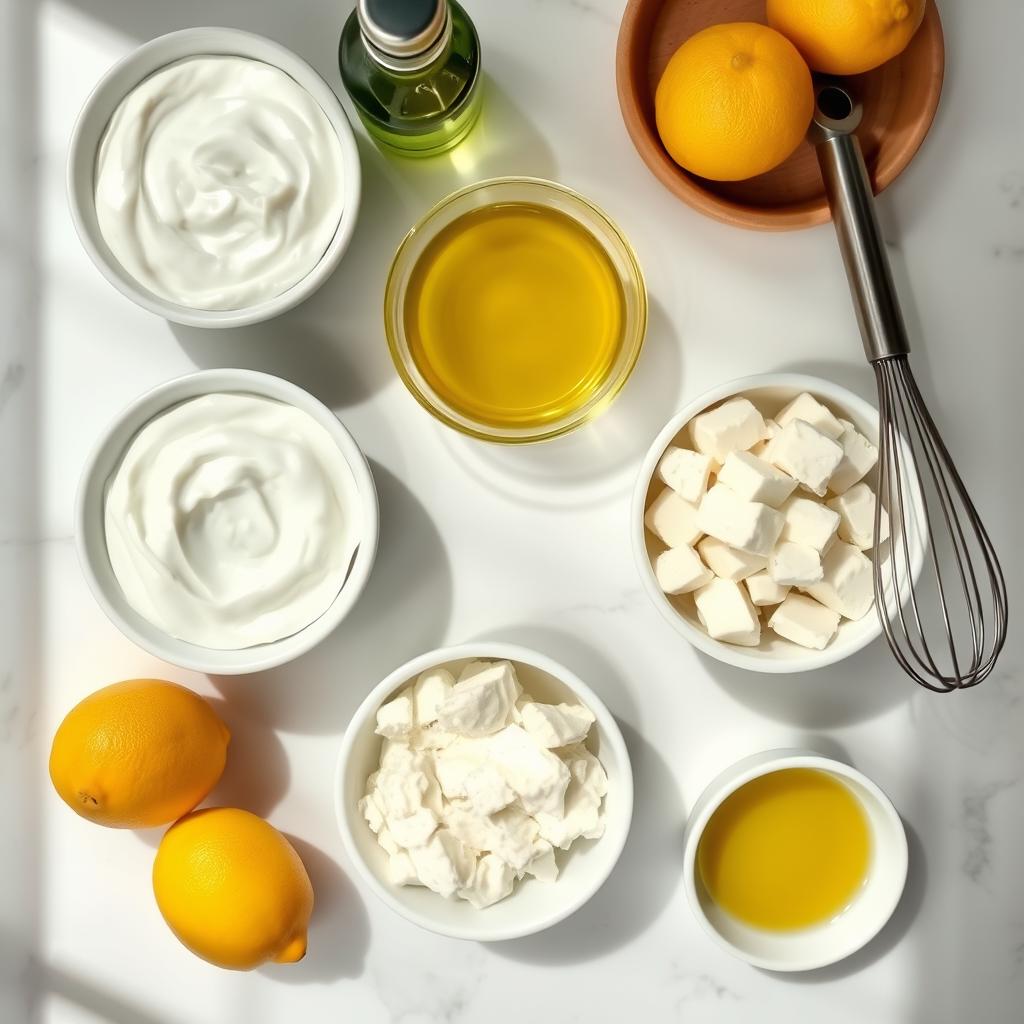
Low Calorie Base Options:
- Greek Yogurt: Fat-free or low-fat Greek yogurt is a star ingredient in making low calorie mayonnaise. It’s packed with protein, low in calories, and delivers the tangy creaminess you love in traditional mayo. Plus, it’s a fantastic source of probiotics, which support gut health.
- Silken Tofu: For those following a vegan or plant-based diet, silken tofu is an incredible alternative. Its silky, smooth texture mimics the consistency of mayonnaise while being completely egg-free. Tofu is also loaded with plant protein and contains fewer calories and fat than your regular mayo base.
- Low-Fat Cottage Cheese: This one might surprise you, but blended low-fat cottage cheese is a secret weapon in reducing calories while still retaining richness. It’s high in protein, low in fat, and effortlessly blends into a creamy base when paired with a splash of vinegar or lemon juice.
While these low calorie base options ensure that the mayonnaise remains creamy, you might be wondering about taste. That’s where flavor friends like dijon mustard, a dash of apple cider vinegar, or a squeeze of fresh lemon juice come in. They brighten up the flavor while keeping the calorie count in check. Don’t forget, achieving that perfect texture is easier than ever with tools like an immersion blender, which gives velvety results in seconds.
If you’re exploring low calorie recipes, this healthier homemade mayo pairs perfectly with your other best healthy low calorie snacks for a guilt-free treat. Now, you have every reason to ditch the store-bought jars for good!
Step-by-Step Instructions for Making Low Calorie Mayonnaise
Preparation Time and Serving Size
- Prep Time: 5–10 minutes
- Yield: About 1 cup (8 servings, 2 tbsp each)
Basic Method: Using a Blender or Food Processor
This method will simplify the process while ensuring a smooth, fail-proof texture. First, gather your ingredients:
- Base: 1 cup Greek yogurt (or regular yogurt)
- 1 tsp Dijon mustard
- 1 tbsp vinegar or fresh lemon juice
- Optional: 1-2 tbsp avocado oil or olive oil (adjust for desired consistency)
- Salt and pepper to taste
- Add the yogurt, mustard, and vinegar (or lemon juice) to your blender or food processor.
- Blend on low for 10–15 seconds until just combined.
- While blending, drizzle in the oil (if using) to create a silkier texture. For an oil-free version, skip this step.
- Add salt and pepper to taste and blend for another 5–10 seconds.
- Transfer your freshly made mayonnaise to a clean jar or container and refrigerate. Allow the flavors to meld for at least 30 minutes before serving for the best taste.
Quick Ingredient Comparison Table
| Ingredient | Role | Low Calorie Alternative |
|---|---|---|
| Oil | Base texture and richness | Avocado or omit entirely (oil-free) |
| Egg Yolks | Emulsifier | Greek yogurt |
| Vinegar/Lemon Juice | Tangy flavor boost | Unchanged |
| Salt and Pepper | Seasoning | Unchanged |
And there you have it a creamy, tangy, and lighter version of mayonnaise that you can customize to fit your tastes and dietary preferences. You’ll love how easy it is to prepare, and your sandwiches and salads will thank you for the upgrade!
Nutrition Comparison: Traditional Mayonnaise vs Low Calorie Homemade Versions
When it comes to calorie-conscious eating, knowing what’s in your favorite condiments can make a huge difference. Traditional mayonnaise might be a creamy classic, but its calorie and fat content are often dealbreakers for those looking to cut back. Let’s take a closer look at how homemade low calorie mayo stacks up in terms of nutrition.
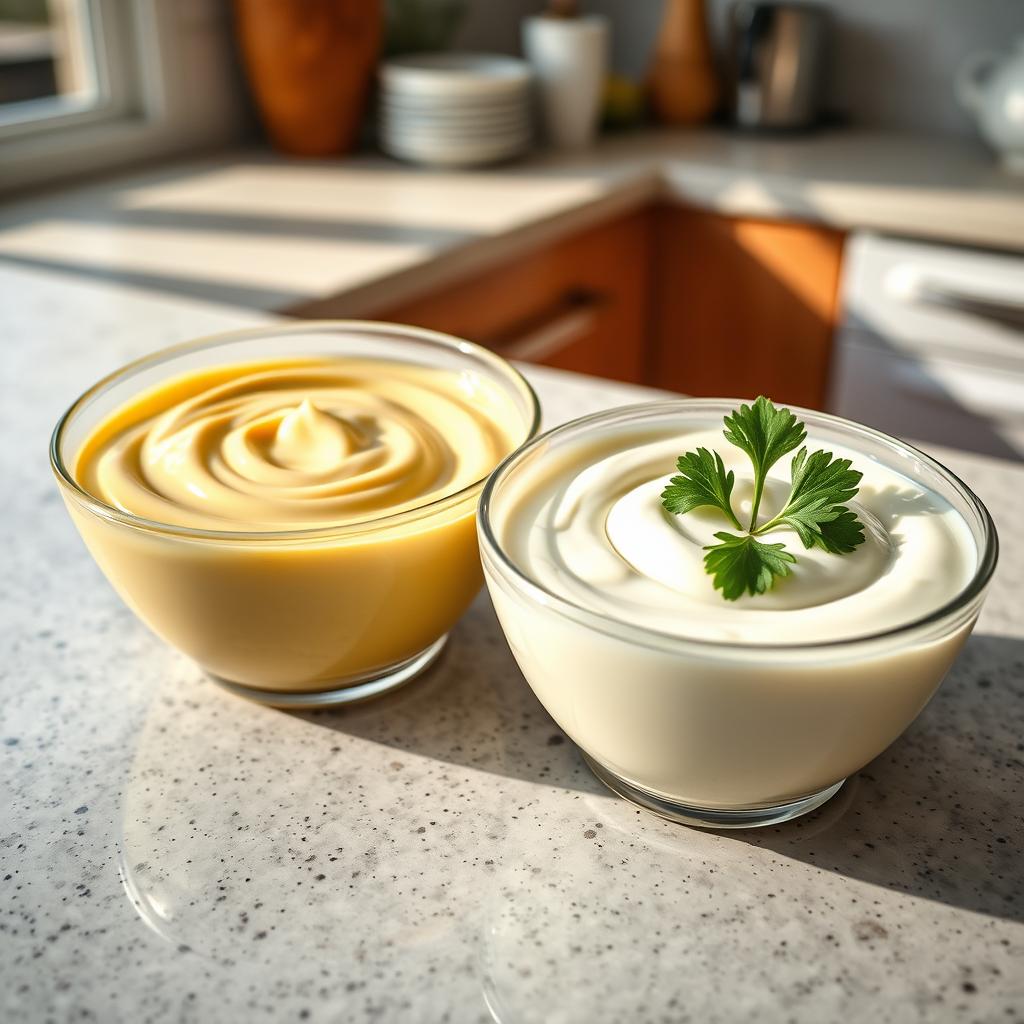
| Type | Calories (per tbsp) | Fat (g) | Notes |
|---|---|---|---|
| Traditional Mayonnaise | 90–100 | 10 | Rich, creamy texture; high in calories and fat. |
| Low-Calorie Homemade Mayo | 15–30 | 1–2 | Uses yogurt or tofu as substitutes for a lighter option. |
So, what makes low calorie homemade mayonnaise such an appealing alternative? Here’s why you might want to give it a try:
- Fewer Calories: Yogurt-based recipes contain up to 70–80% fewer calories per tablespoon compared to traditional mayo.
- Reduced Fat: Many recipes substitute oils with ingredients like silken tofu, reducing fat content significantly while maintaining creaminess.
- Customizable: Whether you’re on a keto or plant-based diet, you can tailor the recipe to suit your preferences.
- Nutrient Boost: Ingredients like Greek yogurt add protein and probiotics for an extra health kick.
Here’s the kicker: Low calorie homemade mayonnaise doesn’t just deliver on nutrition, it’s also incredibly easy to make. Most recipes come together in under five minutes and require just a handful of ingredients, like yogurt, lemon juice, or Dijon mustard. If you’ve got an immersion blender in your kitchen toolkit, you’re already halfway there. Why not whip up a batch at home and taste the difference yourself?
Variations and Add-Ins
Low-calorie mayonnaise can be far from boring. With a few creative twists, you can transform this homemade staple into a versatile condiment for any dish. Whether you’re craving bold, spicy flavors or something delicately sweet, the possibilities are endless. Let’s dive into some easy, customizable variations you can try at home. Which will you experiment with first?
Creative Variations to Try
- Spicy Mayo: Add a kick to your mayo with hot sauce or sriracha. Start with one teaspoon and adjust to your heat preference. This is perfect for tacos, sushi, or as a dipping sauce for fries.
- Herb Mayo: Craving fresh, zesty flavors? Blend in finely chopped herbs like basil, parsley, dill, or cilantro. This variation pairs beautifully with roasted veggies or as a dressing for green salads.
- Garlic Mayo (Aioli Style): For garlic lovers, add 1-2 teaspoons of minced garlic or ½ teaspoon of garlic powder for a bold, savory edge. Your sandwiches and wraps will never be the same!
- Sweet Mayo: Stir in a touch of honey, maple syrup, or a pinch of stevia for a subtly sweet spread perfect for adding to turkey sandwiches or drizzling over slaw.
Flavor Add-In Cheat Sheet
Wondering how much of each ingredient to use? Here’s a handy guide for quick reference:
| Variation | Add-In | Suggested Amount | Best Use |
|---|---|---|---|
| Spicy Mayo | Hot Sauce/Sriracha | 1-2 tsp | Sushi, fries, tacos |
| Herb Mayo | Fresh Herbs (basil, dill, etc.) | 1-2 tbsp | Salads, roasted veggies |
| Garlic Mayo | Minced Garlic/Garlic Powder | 1-2 tsp | Sandwiches, wraps |
| Sweet Mayo | Honey/Stevia | 1 tsp or a pinch | Turkey sandwiches, slaw |
These simple additions not only elevate your low calorie mayonnaise but also make it uniquely yours. Experiment with combining flavors, for instance, try a Spicy Herb Mayo for a fiery, aromatic twist. The beauty lies in customization; no two batches have to taste the same!
Common Mistakes to Avoid
1. Adding Too Much Oil: It’s tempting to drizzle in extra oil to get that silky texture. But guess what? Adding too much oil not only defeats the purpose of creating a low calorie version but can also leave your mayo overly greasy. Stick to heart-healthy options like avocado oil in limited quantities, or better yet, explore recipes that use Greek yogurt or silken tofu as substitutes.
2. Skipping Acidity: Lemon juice and vinegar aren’t just flavor enhancers; they play a critical role in balancing the texture and taste of your mayonnaise. Skipping them can result in a bland, flat flavor, and potentially compromise the light creaminess you’re aiming for. Ask yourself: Would you enjoy mayo that feels like a flavorless paste?
3. Improper Storage: Homemade mayonnaise won’t have any preservatives like its store-bought counterpart, meaning it can spoil much faster. Improper storage, such as using a loosely-sealed container or keeping it at room temperature, can ruin what you worked hard to create. Always store your mayo in an airtight container in the fridge to maintain freshness.
4. Over-Blending: While immersion blenders or food processors are lifesavers, blending for too long when oil is involved can cause your emulsion to break, leaving a separated mess. Be mindful of blending duration; less is often more when it comes to whipping up this creamy spread.
- Measure your oil carefully: Less oil means fewer calories, but enough to get the texture just right.
- Don’t skip acidity: Add lemon juice or vinegar for balance and zing.
- Seal and chill promptly: Store in an airtight container in the fridge to maximize shelf life.
- Blend with care: Use your immersion blender in short bursts to avoid separation.
By keeping these tips in mind, you’ll steer clear of the most common mistakes and enjoy a delicious, creamy low low calorie mayonnaise every time. The key is balance, measuring your ingredients thoughtfully, blending wisely, and storing safely. So, go ahead, roll up your sleeves, and create a healthier version of your favorite condiment!
Benefits of Homemade Low Calorie Mayonnaise
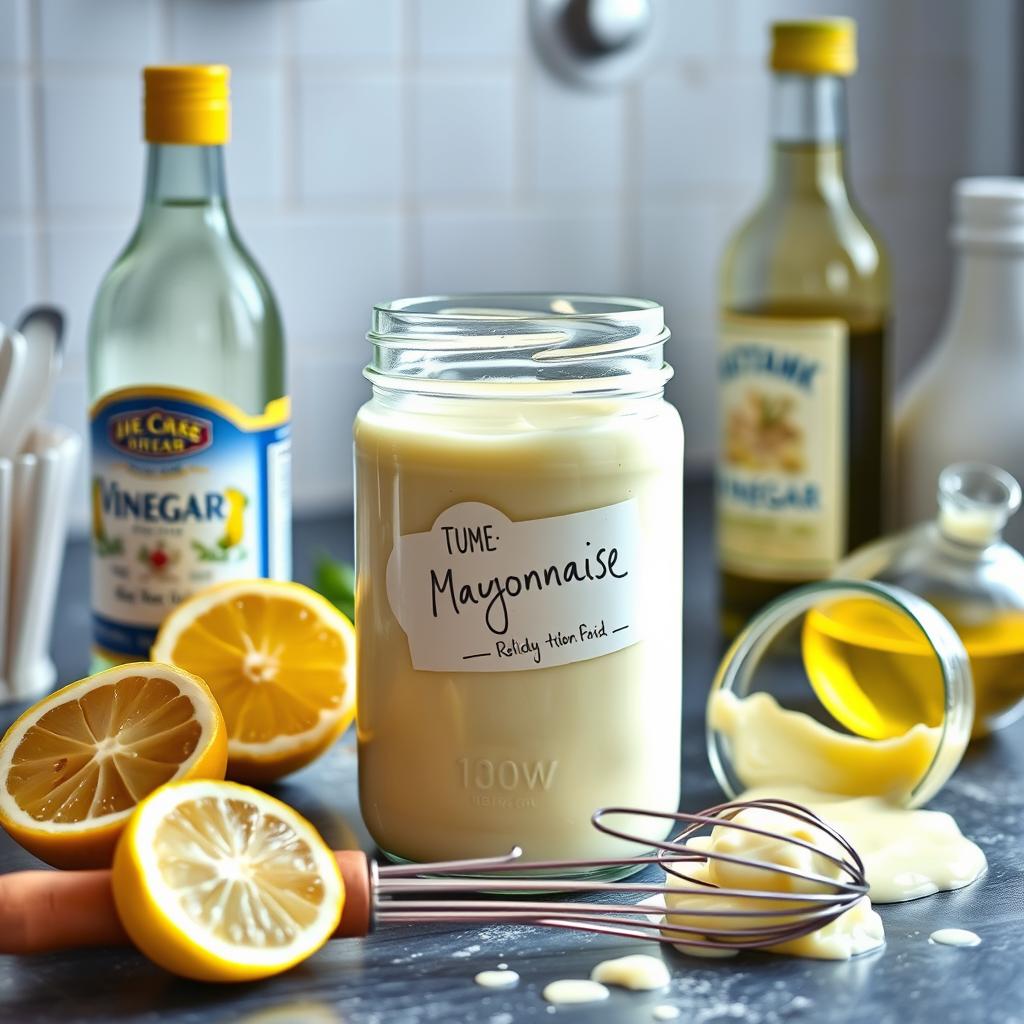 One of the major perks of DIY low calorie mayo is its customizability. Are you a fan of a tangy kick? Add more lemon juice or vinegar. Prefer a creamy, mild flavor? Dial it back and rely on Greek yogurt for a richer, smooth finish. The possibilities are endless! And if you’re working toward weight management goals, this healthier alternative fits perfectly into your routine, offering fewer calories and fats without sacrificing taste.
Plus, have you considered how much money you could save by making your mayonnaise? Store-bought “healthier” mayo options often come with a significant markup. By crafting your low calorie mayonnaise at home, you not only tailor it to your preferences but also keep it budget-friendly.
- Control the ingredients: Customize every aspect of your mayo, from flavor to nutritional content.
- No preservatives or added sugars: Say goodbye to unnecessary additives and hello to a cleaner condiment.
- Healthier for weight management: Perfect for calorie-conscious diets while staying rich in flavor.
- Budget-friendly: Premium results at a fraction of the cost of store-bought alternatives.
- Customizable flavor: Play with ingredients like dijon mustard, lemon juice, or apple cider vinegar to make it truly your own.
Finally, don’t overlook the sheer satisfaction of making something yourself. With a few simple ingredients and an immersion blender, you can whip up a fresh, creamy batch of low calorie mayonnaise in minutes. It’s not just healthier it’s also faster than a trip to the store. Why settle for anything less when homemade is this easy and rewarding?
- Total Control: Adjust salt levels, sweetness, tanginess, or creaminess to suit your taste.
- Customizable Ingredients: Swap traditional oils for lighter options like avocado oil or skip the oil entirely using Greek yogurt or silken tofu.
- Diet-Friendly Options: Adapt recipes to keto, vegan, paleo, or Whole30 lifestyles effortlessly.
- Freshness: Homemade batches are free from preservatives and packed with fresh flavors.
Don’t hesitate to get creative. Why not mix in a dollop of Dijon mustard, a splash of lemon juice, or even a pinch of smoked paprika for a unique twist? Whether you’re using it as a salad dressing, dip, or sandwich spread, you’ve got endless opportunities to make it your own. Check out this detailed guide on healthy mayonnaise for even more inspiration. What’s your signature twist on low calorie mayo? Share your favorite variations in the comments below. We’d love to hear from you!

Hey, I’m Zara! I’m all about simple, healthy living and feeling your best every day. On this blog, I share easy wellness tips, real talk about health, and small changes that make a big difference. Let’s keep it real, stay inspired, and feel good, together.