

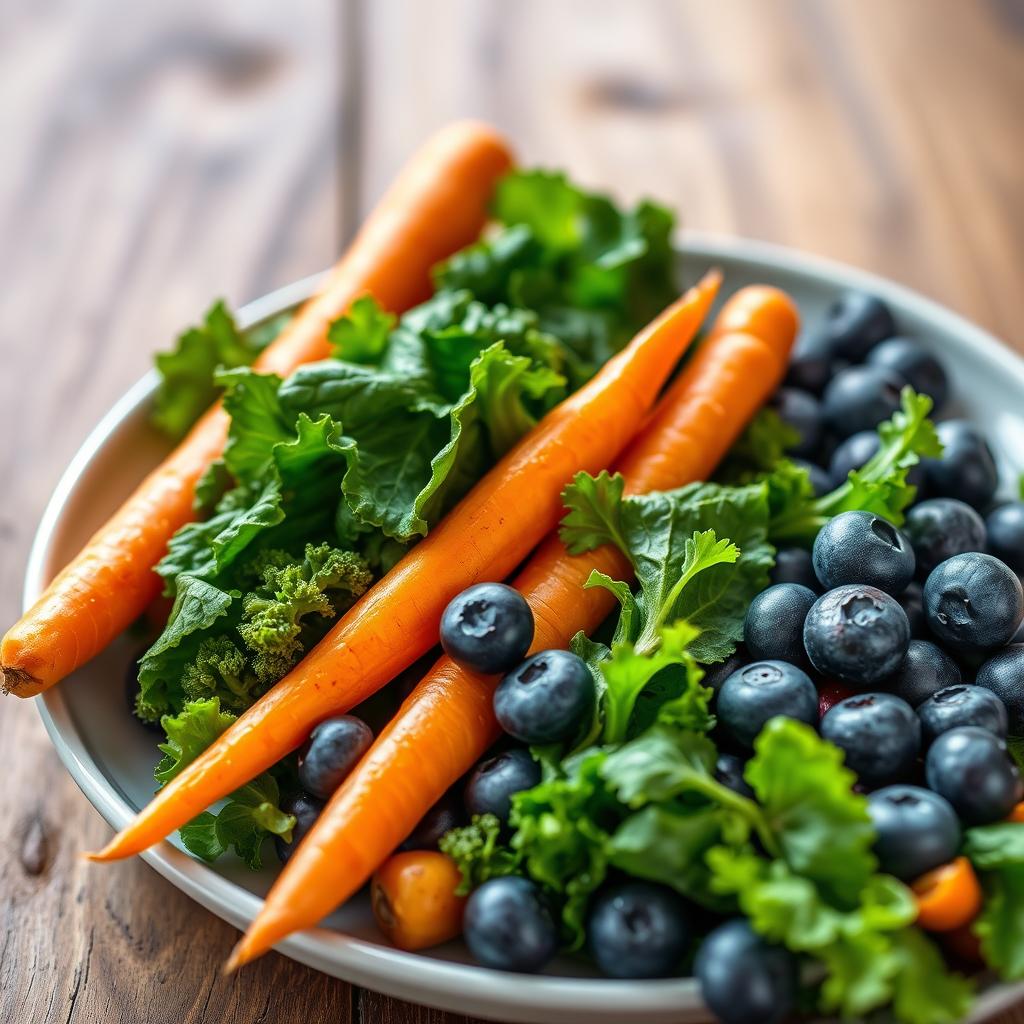
The connection between what we eat and how our body functions is something we hear about all the time. We know that certain foods are good for our heart and others help build strong bones. But did you know that your diet plays a huge role in protecting your vision as you age? Specifically, adopting an age related macular degeneration prevention diet can be one of the most powerful steps you take to safeguard your sight for years to come. This isn’t about a complicated or restrictive eating plan, it’s about understanding which foods nourish your eyes and making them a regular part of your meals.
Understanding Macular Degeneration: A Quick Look
Before diving into the foods that help, it’s useful to know what we’re trying to prevent. Age related macular degeneration, often called AMD, is a common eye condition that affects the macula. The macula is the small, central part of your retina responsible for sharp, detailed, straight ahead vision. Think of it as the high definition part of your eye’s camera, allowing you to read, drive, and recognize faces.
When the macula deteriorates, your central vision can become blurry, wavy, or develop dark spots. While AMD doesn’t cause complete blindness because your peripheral (side) vision remains intact, it can severely impact your quality of life. The most effective strategy is to focus on prevention, and a key component of that strategy is a thoughtfully planned age related macular degeneration prevention diet.
Why Nutrition Matters for Your Eyes
Your eyes, especially the retina, are metabolically active, meaning they use a lot of energy and oxygen. This high energy process creates unstable molecules called free radicals. Over time, the buildup of these free radicals can cause oxidative stress, which damages the cells in the macula. This is where your diet comes in. A proper age related macular degeneration prevention diet is rich in antioxidants powerful substances that neutralize free radicals, acting like a protective shield for your delicate retinal cells. By eating the right foods, you provide your eyes with the specific nutrients they need to defend themselves against this damage.
The Core of an Age Related Macular Degeneration Prevention Diet
The foundation of an effective age related macular degeneration prevention diet is built on a simple principle: eat a rainbow of colorful plant based foods and prioritize healthy fats. These foods are packed with the vitamins, minerals, and compounds that have been scientifically shown to support macular health. The goal is to flood your body with the nutrients that specifically concentrate in the eye and help filter harmful blue light and fight oxidative stress. This dietary approach is not just about a few “superfoods” but about an overall pattern of healthy eating.
Meet the Macula’s Superheroes: Key Nutrients
Certain nutrients are true champions when it comes to eye health. Incorporating them into your daily meals is the cornerstone of any successful age related macular degeneration prevention diet. Let’s get to know these sight saving heroes and where you can find them.
Lutein and Zeaxanthin: The Dynamic Duo
Lutein and zeaxanthin are two carotenoids, or plant pigments, that are absolute powerhouses for eye health. They are found in high concentrations in the macula, where they form a layer of protective pigment called the macular pigment. This pigment acts like internal sunglasses, filtering out damaging high energy blue wavelengths of light. The denser this pigment, the better protected your macula is. A diet lacking in these nutrients can lead to a less dense macular pigment, increasing your risk. Making these a focus of your age related macular degeneration prevention diet is critical.
You can find lutein and zeaxanthin in abundance in dark, leafy greens and other colorful vegetables. Think of them as the foundation of your eye healthy plate.
Top Food Sources of Lutein & Zeaxanthin
| Food (1 cup, cooked) | Approximate Lutein & Zeaxanthin Content (mg) |
|---|---|
| Kale | 23.7 mg |
| Spinach | 20.4 mg |
| Collard Greens | 14.6 mg |
| Turnip Greens | 12.2 mg |
| Broccoli | 1.6 mg |
| Corn | 1.4 mg |
| Green Peas | 2.2 mg |
Vitamin C: The Protective Antioxidant
Vitamin C is one of the most well known antioxidants. It helps protect the body against free radical damage and is essential for the health of blood vessels, including the tiny ones in the retina. Studies have shown that a diet high in Vitamin C can support overall eye health and is an important part of an age related macular degeneration prevention diet. Luckily, this vitamin is easy to find in a wide variety of delicious fruits and vegetables.
- Top Sources: Citrus fruits (oranges, grapefruit), bell peppers (especially red and yellow), kiwi, broccoli, strawberries, and tomatoes.
Vitamin E: The Cell Defender
Vitamin E is another powerful antioxidant that works to protect the cells in our eyes from damage. It is a fat soluble vitamin, meaning it is best absorbed when consumed with some fat. It works in concert with other antioxidants like Vitamin C to keep cell membranes healthy. Including sources of Vitamin E is another smart move for your age related macular degeneration prevention diet.
- Top Sources: Nuts (almonds, hazelnuts), seeds (sunflower seeds), wheat germ, and vegetable oils.
Zinc: The Helper Mineral
Zinc is a vital mineral that plays a crucial role in maintaining the health of the retina. It acts as a “helper molecule,” enabling key enzymes in the eye to function properly. It also helps transport Vitamin A from the liver to the retina to produce melanin, a protective pigment. While important, it’s a nutrient to be balanced, as very high doses can interfere with copper absorption. An effective age related macular degeneration prevention diet includes moderate amounts of zinc from food sources.
- Top Sources: Oysters (the richest source), beef, poultry, beans, nuts, and whole grains.
Omega 3 Fatty Acids: The Inflammation Fighters
Omega 3 fatty acids, particularly DHA and EPA, are healthy fats that are critical components of cell membranes throughout the body, including the photoreceptor cells in the retina. They have strong anti inflammatory properties, which can help protect against the cellular processes that contribute to AMD. For a comprehensive age related macular degeneration prevention diet, regular consumption of fatty fish is highly recommended.
- Top Sources: Cold water fatty fish like salmon, mackerel, tuna, sardines, and herring. Plant based sources like flaxseeds, chia seeds, and walnuts are also beneficial.
The AREDS2 Study: What Science Says About Supplements
One of the most significant breakthroughs in understanding the connection between nutrition and AMD came from the Age Related Eye Disease Studies (AREDS and AREDS2), sponsored by the National Eye Institute. These large scale clinical trials tested the effects of a specific combination of high dose vitamins and minerals on AMD progression. The results were clear: for people with intermediate AMD in one or both eyes, or advanced AMD in one eye, the AREDS2 formula significantly reduced the risk of the disease progressing to the advanced stage.
It’s important to understand that the AREDS2 formula is not a cure for AMD, nor is it proven to prevent the initial onset of the disease. However, its success in slowing progression highlights the power of these specific nutrients. The findings from this study are a central part of the modern age related macular degeneration prevention diet and treatment strategy.
The AREDS2 Formula
The specific daily formula identified as beneficial in the AREDS2 study is:
- Vitamin C: 500 mg
- Vitamin E: 400 International Units (IU)
- Lutein: 10 mg
- Zeaxanthin: 2 mg
- Zinc: 80 mg (as zinc oxide)
- Copper: 2 mg (as cupric oxide, to prevent copper deficiency)
Before starting any high dose supplement regimen, it is absolutely essential to speak with your ophthalmologist or eye care professional. They can determine your specific risk level for AMD and advise if an AREDS2 supplement is appropriate for you. Supplements should complement, not replace, a healthy age related macular degeneration prevention diet.
Beyond Nutrients: The Best Overall Eating Pattern
While individual nutrients are important, scientists now believe that the overall dietary pattern is even more significant. An age related macular degeneration prevention diet is best approached as a lifestyle rather than a checklist of nutrients. This means focusing on whole, unprocessed foods that work together to protect your health.
Why the Mediterranean Diet is a Top Choice
One of the most researched and recommended eating patterns is the Mediterranean diet. This diet is naturally rich in the antioxidants, healthy fats, and anti inflammatory compounds that benefit the macula. It’s a perfect framework for an age related macular degeneration prevention diet because it emphasizes fish, fruits, vegetables, whole grains, and healthy fats like olive oil, while limiting processed foods and red meat.
Building Your Eye Healthy Plate
Putting the principles of an age related macular degeneration prevention diet into practice is easier than you might think. Here are some simple tips:
- Aim for Color: Fill at least half your plate at every meal with colorful fruits and vegetables. The deeper the color, the more antioxidants they usually contain.
- Go Green: Make dark, leafy greens like spinach, kale, or collards a daily staple. Add them to salads, smoothies, soups, or lightly sauté them as a side dish.
- Eat Fish Twice a Week: Choose fatty fish like salmon or sardines to get your dose of omega 3s.
- Snack Smart: Instead of reaching for chips or cookies, have a handful of almonds or walnuts.
- Choose Whole Grains: Opt for whole wheat bread, brown rice, and oatmeal over their refined white counterparts.
Foods to Limit for Better Eye Health
An effective age related macular degeneration prevention diet is as much about what you avoid as what you include. Certain foods can increase oxidative stress and inflammation, potentially contributing to AMD risk. Try to limit or avoid highly processed foods, which are often high in unhealthy fats (like trans fats and certain vegetable oils), refined carbohydrates, and sugar. These foods can spike blood sugar and promote inflammation, which is counterproductive to protecting your macula. A diet high in processed, high glycemic index foods is not conducive to an age related macular degeneration prevention diet.
Frequently Asked Questions About the Age Related Macular Degeneration Prevention Diet
Can diet alone completely prevent AMD?
While a dedicated age related macular degeneration prevention diet is a powerful tool, it cannot guarantee you will never develop AMD. Genetics and other lifestyle factors, such as smoking and sun exposure, also play a significant role. However, a nutrient rich diet can substantially lower your risk and slow the progression of the disease if it does develop.
Can changing my diet reverse existing macular degeneration?
Currently, there is no cure for AMD, and diet cannot reverse damage that has already occurred. However, for those with early or intermediate AMD, adopting a strict age related macular degeneration prevention diet and, if recommended by a doctor, taking AREDS2 supplements, can significantly slow down the progression to more advanced, vision threatening stages.
Are eye health supplements a substitute for a good diet?
No. Supplements are meant to “supplement” a healthy diet, not replace it. Whole foods contain a complex mix of vitamins, minerals, fiber, and other compounds that work together synergistically. You cannot get the same broad benefits from a pill. The best approach is to build your age related macular degeneration prevention diet on a foundation of nutrient dense foods.
How soon can I see benefits from an age related macular degeneration prevention diet?
The benefits of a healthy diet are long term and preventative. You won’t notice a change in your vision overnight. Think of it as investing in your future eye health. Consistent, long term adherence to an age related macular degeneration prevention diet provides your eyes with a steady supply of the protective nutrients they need to stay healthy for decades.
Conclusion
Protecting your vision is one of the best investments you can make in your future quality of life. While we can’t change our genes, we can control what’s on our plate. Adopting an age related macular degeneration prevention diet rich in leafy greens, colorful fruits and vegetables, and omega 3 rich fish provides your eyes with the essential nutrients they need to defend against cellular damage. By focusing on a whole foods approach, limiting processed items, and consulting your eye doctor about your specific needs, you can take proactive and powerful steps to nourish your macula and support clear, healthy vision for a lifetime. The right age related macular degeneration prevention diet is a delicious and empowering way to care for your precious sight.
