
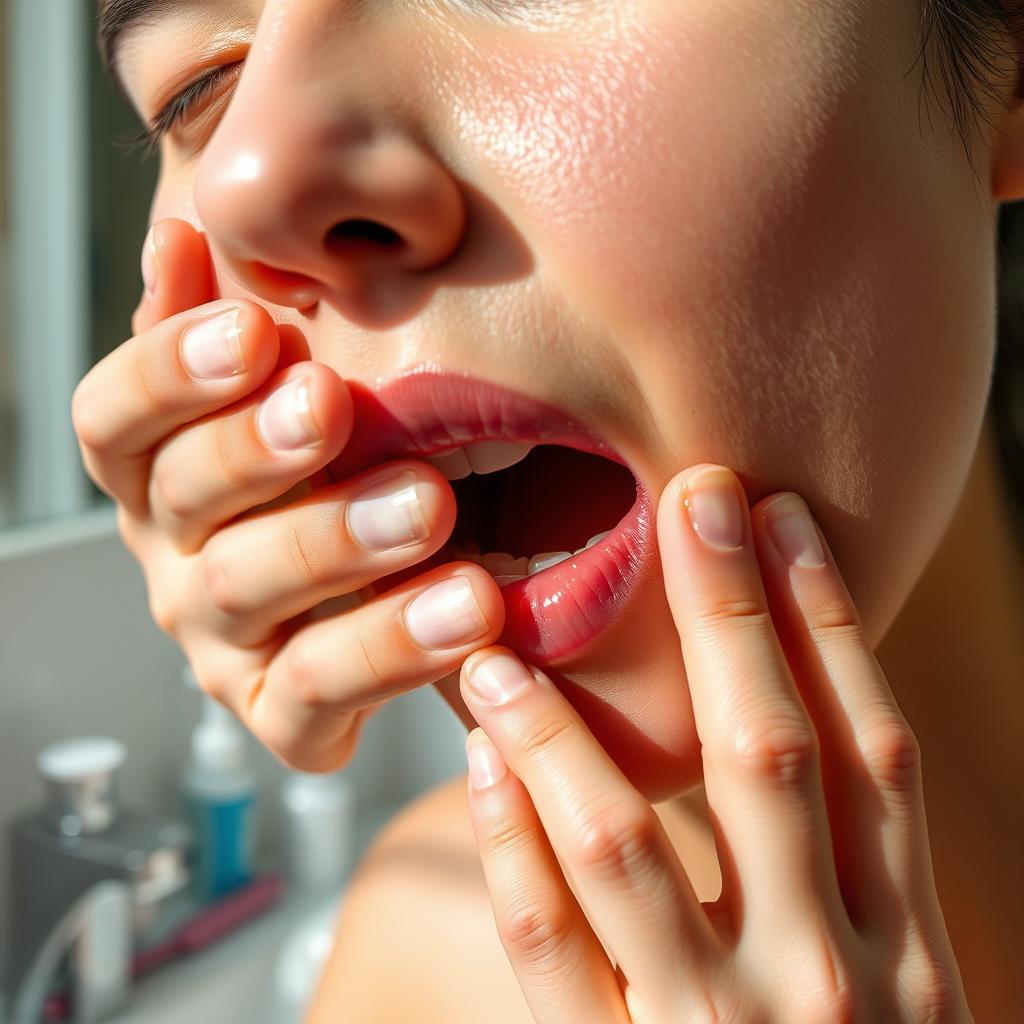
Have you ever noticed a sharp, nagging pain in just one tooth? Often, this discomfort can be traced back to gum recession on one tooth, a condition where the gum tissue gradually pulls back, exposing more of your tooth’s surface or even its root. While this process can affect multiple teeth, it’s not uncommon to feel the effects on only one specific tooth. Why? The answer often lies in localized factors such as aggressive brushing, plaque buildup, or teeth grinding all of which can weaken your gums over time.
Gum recession isn’t just about aesthetics; it can heighten tooth sensitivity and lead to pain when eating, drinking, or even breathing in cold air. The good news? You have options to regain control and ease the discomfort. Below, we’ll explore top remedies that are both simple and effective, whether you want to try some DIY solutions at home or you’re considering professional care for a long-term fix.
What Can You Do About It?
- Home Remedies: Start with a saltwater rinse or apply a teabag compress to reduce inflammation. Natural solutions like turmeric paste may also help soothe pain.
- Professional Treatments: If the recession is significant, a dentist may recommend fluoride treatments, bonding agents, or even gum graft surgery for severe cases.
Feeling overwhelmed? Don’t worry it’s all about early recognition and tailored care. Whether it’s making small changes to your oral hygiene routine or consulting a dental expert, relief from gum recession pain isn’t far away.
Home Remedies for Gum Recession on One Tooth
Dealing with gum recession on one tooth can be frustrating. The discomfort, sensitivity, and concern about the appearance of your gums are common worries, but the good news is that there are effective remedies you can try at home. Let’s focus on two proven methods: desensitizing toothpaste and saltwater rinses. Whether it’s tooth sensitivity that’s bothering you or the inflammation that always seems to crop up at the worst times, these natural and affordable strategies can bring relief while protecting your gums from worsening issues.
Desensitizing Toothpaste: A Reliable Companion in Gum Care
If the exposed root of your receding gum line is feeling the sting of hot coffee or cold ice cream, desensitizing toothpaste can be a game-changer for you. These toothpastes are specially formulated to alleviate tooth sensitivity caused by gum recession by blocking the nerve pathways associated with pain. They work by creating a protective barrier over the dentin (the softer layer beneath your tooth enamel), allowing you to enjoy your favorite treats without wincing in discomfort.
How It Works
Desensitizing toothpaste contains active ingredients like potassium nitrate, stannous fluoride, or arginine, which help numb sensitive areas or strengthen tooth enamel. Over time, regular use not only alleviates immediate symptoms but can also contribute to long-term gum and tooth health by preventing further enamel erosion.
How to Use Desensitizing Toothpaste
- Brush twice daily using a soft-bristle toothbrush.
- Apply a pea-sized amount of toothpaste directly onto the toothbrush.
- Use gentle, circular motions to avoid aggravating the receded gum line.
- After brushing, spit out the excess toothpaste but don’t rinse your mouth with water. This allows the active ingredients to adhere to your teeth for extended relief.
Recommended Desensitizing Toothpaste Brands
Choosing the right brand can feel overwhelming with so many options on the market, but here are a few trusted names to make it easier for you. These have been well-received for their effectiveness at addressing sensitivity:
- Sensodyne Pronamel
- Colgate Sensitive Pro-Relief
- Tom’s of Maine Rapid Relief Sensitive
- Arm & Hammer Sensitive Teeth & Gums
Salt Water Rinse: Nature’s Own Anti-Inflammatory
If you’re looking for a quick, convenient, and all-natural solution to soothe those angry gums, a warm salt water rinse is an all-time classic that should be part of your repertoire. This remedy offers temporary pain relief and helps reduce inflammation, making it an excellent option for mild gum discomfort caused by gum recession on one tooth.
Why It Works
Salt water is a natural antibacterial and anti-inflammatory agent. It helps clean the mouth by removing food particles and debris lodged between your teeth while also reducing the bacterial count in your oral cavity. It’s a simple yet effective step in maintaining healthy gums. The saline solution can balance your mouth’s pH levels, which discourages bacterial growth and promotes a healthier environment for your gums to recover.
How to Make & Use a Salt Water Rinse
The great thing about this remedy is that you probably already have everything you need right in your kitchen. Here’s how to get started:
- Mix 1/2 teaspoon of salt (preferably non-iodized) into a glass of warm water.
- Stir until the salt is fully dissolved.
- Take a mouthful of the solution and swish it around your mouth for 30 seconds.
- Spit it out and repeat until the glass is empty.
- Use this rinse twice daily once in the morning and once before bed for best results.
While it’s not a cure for gum recession, this simple routine can significantly alleviate swelling and discomfort, providing a refreshing reprieve while you focus on more comprehensive gum care strategies.
Comparing the Remedies
Wondering how these two remedies compare? Here’s a quick breakdown of their benefits and uses:
| Remedy | Primary Benefit | Best Used For | Frequency |
|---|---|---|---|
| Desensitizing Toothpaste | Reduces tooth sensitivity | Sensitivity due to exposed tooth roots | Twice daily |
| Salt Water Rinse | Reduces inflammation, combats bacteria | Mild swelling or irritation | Twice daily |
Don’t Wait to Address Your Gum Health
Tackling gum discomfort doesn’t have to be overwhelming. Whether you’re adding desensitizing toothpaste to your routine or swishing with salt water after a meal, these remedies can offer relief while protecting your receding gum line. If, however, you feel that your symptoms are severe, remember that getting professional help is always a good option. Explore ways to enhance your oral care and make sure you have all the resources you need to feel confident and smile brightly.
For those looking to replace missing teeth due to untreated gum issues, you can choose affordable dentures to restore your smile.
When to Seek Professional Help
Dealing with gum recession on one tooth can be both frustrating and alarming. While mild discomfort may sometimes resolve on its own with proper care, there are clear signs you should never ignore. Have you noticed persistent pain or bleeding in the same spot? Are you seeing changes in your gum line or experiencing other unusual symptoms? These could be red flags that it’s time to reach out to a dental professional.

So, how do you know it’s time to stop trying home remedies and book an appointment? Here are some common indications that professional help is necessary:
- Pain lasting more than a week: Ongoing discomfort is not normal and might suggest more serious underlying issues, like infection or advanced gum disease.
- Bleeding or pus in the gums: These are classic signs of inflammation or infection. If you see pus, it’s particularly urgent to seek treatment.
- Worsening gum recession: If you notice the gum line pulling further away from your tooth despite home care, it’s a sign the problem isn’t improving and may require intervention.
- Loose teeth or persistent bad breath: When gum health deteriorates, it can affect how your teeth are anchored. Loose teeth and chronic bad breath often signal advanced gum disease or other serious issues that need prompt attention.
These symptoms can be signals of underlying conditions like periodontal disease, abscess formation, or even bone loss in severe cases. Ignoring them might place not only the affected tooth at risk but also the surrounding teeth and jawbone.
If these issues sound familiar, don’t delay. Early intervention is key to preventing further complications. Your dentist may recommend treatments such as deep cleaning, scaling, or even minor surgical procedures to restore your gum health and prevent damage to your teeth.
Remember, when it comes to your gum health, acting quickly can make all the difference. Don’t wait for the pain to escalate trust your gut and get professional advice before it’s too late.
Dental Treatment Options for Gum Recession on One Tooth
If you’re dealing with gum recession on one tooth, you’re not alone, and there are professional solutions to help restore your gum health. When home remedies can no longer manage the discomfort or the condition worsens, dental treatments like deep cleaning (scaling and root planing) and gum grafting surgery become essential. These procedures not only halt gum recession but also provide long-term relief and promote healthier gums.
1. Deep Cleaning (Scaling and Root Planing)
Scaling and root planing, often referred to as a “deep cleaning,” is a non-surgical procedure that removes plaque and tartar built up beneath the gumline. Why is this so important? This hard-to-reach bacteria is a leading cause of gum deterioration. By cleaning these areas thoroughly, your dentist will give your gums the opportunity to reattach to the tooth and prevent further recession.
This treatment is particularly useful in cases of mild to moderate gum recession and can dramatically improve your gum health over time. For the best results, patients are usually advised to maintain diligent at-home oral care practices, such as regular brushing and flossing.
2. Gum Grafting Surgery
In more advanced cases, gum grafting surgery might be recommended. This procedure involves taking a small piece of healthy gum tissue, typically from the roof of your mouth, and grafting it onto the affected area to cover the exposed tooth root.
Why is this critical? Exposed roots can lead to heightened tooth sensitivity and raise vulnerability to decay. A gum graft creates a protective barrier, reducing these risks and contributing to a more uniform and aesthetically pleasing gumline. Though a surgical option, this treatment is highly effective for restoring not just gum health, but also your confidence in your smile.
Quick Comparison of Treatment Options
| Treatment | Goal | Best For | Recovery Time |
|---|---|---|---|
| Deep Cleaning (Scaling and Root Planing) | Removes plaque below the gumline and encourages gum reattachment | Mild to moderate gum recession | 1-2 days |
| Gum Grafting Surgery | Covers exposed tooth roots | Advanced gum recession | 1-2 weeks |
Steps to Consider
- Monitor symptoms like tooth sensitivity or exposed roots these might indicate the need for treatment.
- Consult your dentist about the severity of gum recession to determine if deep cleaning or grafting surgery is appropriate for you.
- Maintain excellent oral hygiene before and after treatment to maximize results.
Remember, addressing gum recession on one tooth early can save you significant discomfort and potential tooth loss in the future. Speak with your dentist to determine the best course of action for your unique needs.
Preventive Measures After Healing
Taking care of your gums after healing from gum recession is just as important as the initial treatment. If you neglect proper care, you may find yourself dealing with ongoing issues like sensitivity or further gum recession down the line. So, what preventive steps can you take to ensure the health of your gums, especially if you’re recovering from gum recession on one tooth?

Maintaining Healthy Habits
A few tweaks to your daily routine can make a world of difference in preserving your gum health:
- Brush gently but effectively: Overbrushing or brushing too hard can damage your gums. Use a soft-bristled toothbrush and adopt a gentle, circular motion to clean your teeth. Think of it as polishing rather than scrubbing.
- Floss regularly: Flossing removes plaque and debris from hard-to-reach areas between your teeth. Consider waxed floss for a smoother experience if your gums are sensitive.
- Visit your dentist regularly: Professional cleanings and checkups allow your dentist to catch early signs of gum issues long before they become big problems.
Additional Measures to Protect Your Gums
Sometimes, small shifts in your lifestyle can go a long way in preventing gum damage. If particular habits or conditions led to your gum recession, addressing those can help avoid future issues:
- Use a nightguard if you grind your teeth: Grinding (or bruxism) exerts excess pressure on your gums and teeth. A custom-fitted mouthguard can relieve this strain.
- Keep tobacco out of the equation: Smoking and chewing tobacco directly harm gum tissue, slowing down healing and increasing the risk of disease.
- Focus on a balanced diet: Foods rich in vitamins like C and D, omega-3 fatty acids, and calcium improve overall gum health and aid tissue regeneration.
Remember that good gum care practices benefit not just your oral health but your overall well-being. If you’re curious about whether can receding gums regain their former state naturally, professional guidance can provide tailored answers to your situation. Implementing these preventive measures ensures your gums remain healthy and strong for the future. Think of it as an investment in a lifelong smile!

Hey, I’m Zara! I’m all about simple, healthy living and feeling your best every day. On this blog, I share easy wellness tips, real talk about health, and small changes that make a big difference. Let’s keep it real, stay inspired, and feel good, together.