
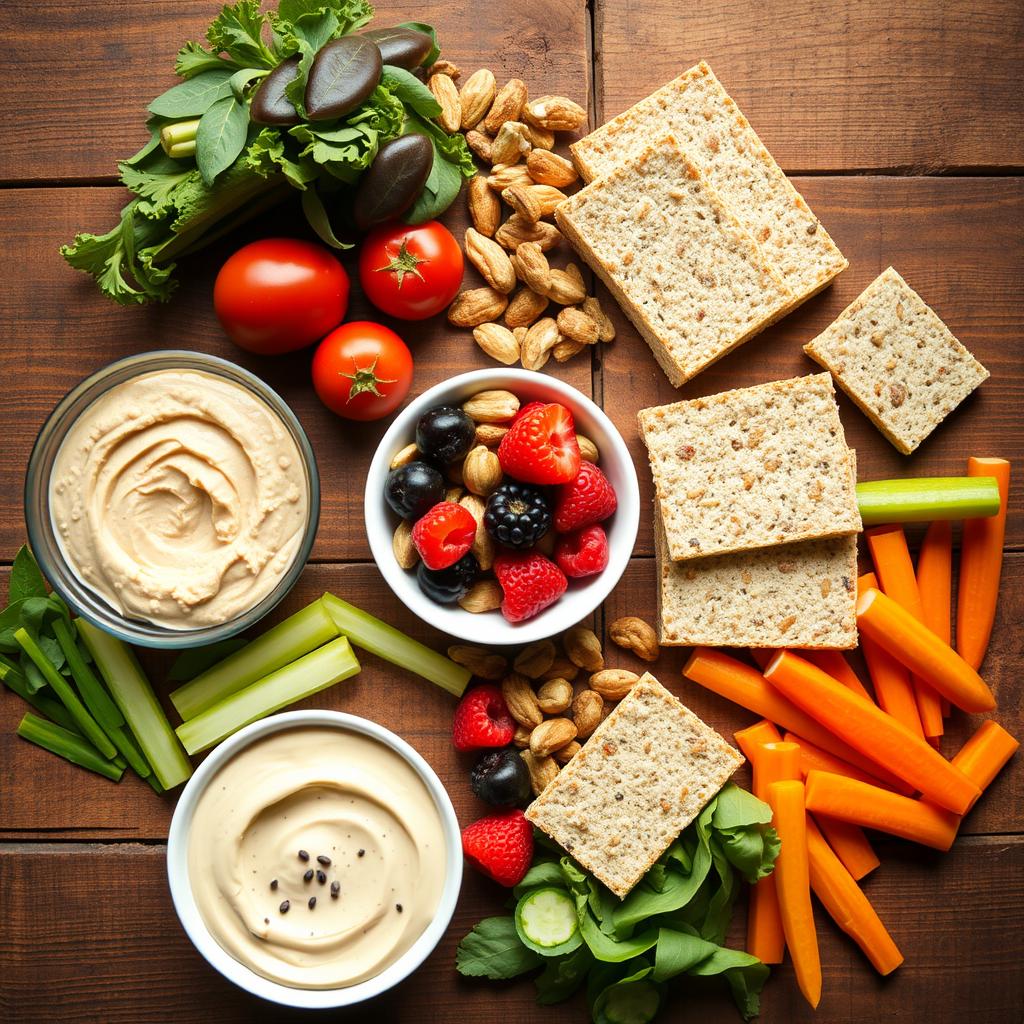
Snacking doesn’t have to sabotage your weight loss goals in fact, when done right, it can be your secret weapon! Say goodbye to cravings and hello to smarter choices by embracing snacks that are both nutritious and satisfying. So, what are the best options to keep you full while supporting calorie control and overall health? Let’s dive into some winning picks.
Top Healthy Low Calorie Snacks You’ll Love
- Fresh Fruits: Packed with fiber and natural sweetness, apples, berries, and oranges are perfect for curbing sugar cravings while staying under 100 calories.
- Veggie Sticks and Hummus: Crunchy cucumbers or carrot sticks paired with protein-rich hummus give you the crunch you crave without the guilt.
- Air-Popped Popcorn: A whole-grain delight that’s high in fiber and ridiculously low in calories season with a pinch of cinnamon or chili powder for a fun twist!
- Greek Yogurt with Mix-Ins: Opt for plain, non-fat Greek yogurt and sprinkle on flaxseeds or fresh fruit for a creamy, nutrient-packed snack.
- Nut Butter on Rice Cakes: For a dose of healthy fats, spread almond or peanut butter on whole-grain rice cakes. Limit to small portions to stay calorie-conscious.
Why These Snacks Work
All of these snacks excel in one major area: satiety. High-fiber options like fruits and popcorn help you feel fuller for longer, reducing the urge to overeat during meals. Meanwhile, protein-packed items such as hummus and Greek yogurt give your metabolism a gentle boost, all while keeping your calorie counts in check.
Want to make this work seamlessly in your life? Plan ahead! Prep your snacks in advance and portion them into grab-and-go containers. Keeping nutrient-rich options close at hand will make it easier to skip unhealthy temptations and stay aligned with your goals.
Why Snacking Can Help With Weight Loss
Did you know that adding the right kind of snacks to your routine can actually support your weight loss journey? It may sound counterintuitive, but healthy snacking serves as a powerful tool to keep your metabolism active, prevent energy dips, and stave off overeating later in the day. Let’s dive into how snacking fits strategically into a weight loss plan.
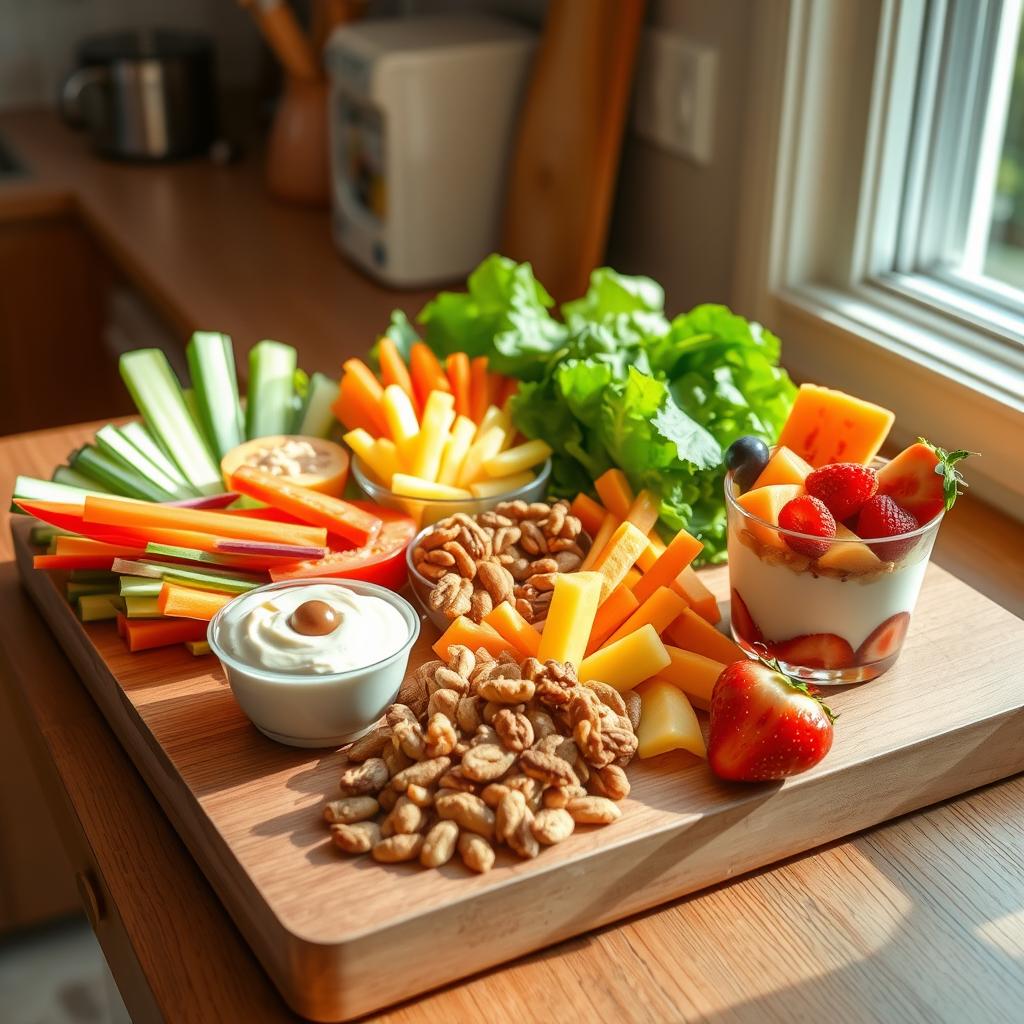
Top Reasons to Snack Smart
- Stabilizes Blood Sugar: Eating small, nutrient-dense snacks between meals helps prevent sharp blood sugar drops or spikes, allowing you to avoid that inevitable energy crash that might send you reaching for unhealthy food.
- Avoids Binge Eating: Skipping snacks can lead to extreme hunger, making you more likely to overindulge at your next meal. By keeping hunger in check, healthy low calorie snacks act as a buffer against overeating.
- Boosts Energy Levels: Whether you need fuel for a workout or just to power through your day, snacks like a handful of nuts or a piece of fruit can give you an immediate energy lift without unnecessary calories.
- Activates Your Metabolism: Snacking responsibly keeps your metabolism engaged, signaling your body to continuously burn calories throughout the day.
Best Snack Options to Stay on Track
Let’s make this actionable! Here’s a quick reference guide to some of the most effective snacks for weight loss:
| Snack | Calories (Approx.) | Nutritional Benefits |
|---|---|---|
| Apple Slices with Almond Butter | 195 | High in fiber and healthy fats, keeps you full longer. |
| Air-Popped Popcorn (3 cups) | 90 | Rich in fiber, a low-calorie way to satisfy cravings. |
| Greek Yogurt with Berries | 150 | Packed with protein and antioxidants for sustained energy. |
| Carrot Sticks with Hummus | 120 | A great combo of fiber and plant-based protein. |
Healthy snacking not only helps with weight management but can also make you feel more in control of your eating habits. And the impact can go beyond weight it contributes to overall energy and well-being. In fact, one of the best ways to look younger is by nourishing your body with nutrient-rich, low-calorie foods. The key is choosing snacks wisely and consuming them in the right portions. With the right approach, snacking becomes a tool that works with your body, not against it. Start small try adding one of these snacks into your daily routine this week!
What Makes a Snack “Healthy” and “Low Calorie”?
What exactly makes a snack both “healthy” and “low calorie”? It’s a question worth asking because not all snacks are created equal and the answers lie in understanding the balance between nutrients and calories. A truly healthy snack isn’t just about keeping the calorie count low; it’s about providing your body with the fuel it needs while keeping you satisfied and energized. First, let’s talk numbers. A good benchmark for healthy low calorie snacks is typically under 200 calories per serving. Snacks within this range are ideal for tiding you over between meals without tipping your daily energy balance into an excess. However, the quality of those calories matters just as much. Enter the balance of protein, fiber, and healthy fats: the holy trinity of smart snacking.
These three nutrients work together to keep hunger at bay. Protein helps stabilize blood sugar levels, fiber aids digestion and promotes satiety, and healthy fats provide a slow, steady energy release. So how can you ensure your snacks meet these criteria? By choosing whole food ingredients rather than processed junk food loaded with empty calories. Whole foods like nuts, seeds, fruit, and vegetables are nutrient-dense, meaning they pack vitamins, minerals, and energy into a minimal caloric package. On the flip side, snacks like sugary bars or fried chips will leave you hungry again in no time and probably craving more. To simplify things, here are a few principles to keep in mind when selecting low calorie healthy snacks:
- Prioritize fiber-rich options like raw veggies, popcorn, or whole grains for fullness.
- Look for snacks that offer at least 5 grams of protein per serving, such as Greek yogurt or a handful of almonds.
- Focus on whole foods with minimal ingredients think apple slices with peanut butter, rather than candy bars.
Making smarter snack choices doesn’t have to be complicated, but it does require a little mindfulness. By focusing on nutrient-dense options that align with your goals, you’ll not only satisfy your hunger but also keep your body nourished and energized.
Top Best Healthy Low Calorie Snacks for Weight Loss
Snacking can either help or hinder your weight loss journey. The trick is choosing snacks that are low in calories but packed with nutrients. Below, you’ll find highly recommended options that offer satisfaction without compromising your goals. Ready to dive in?
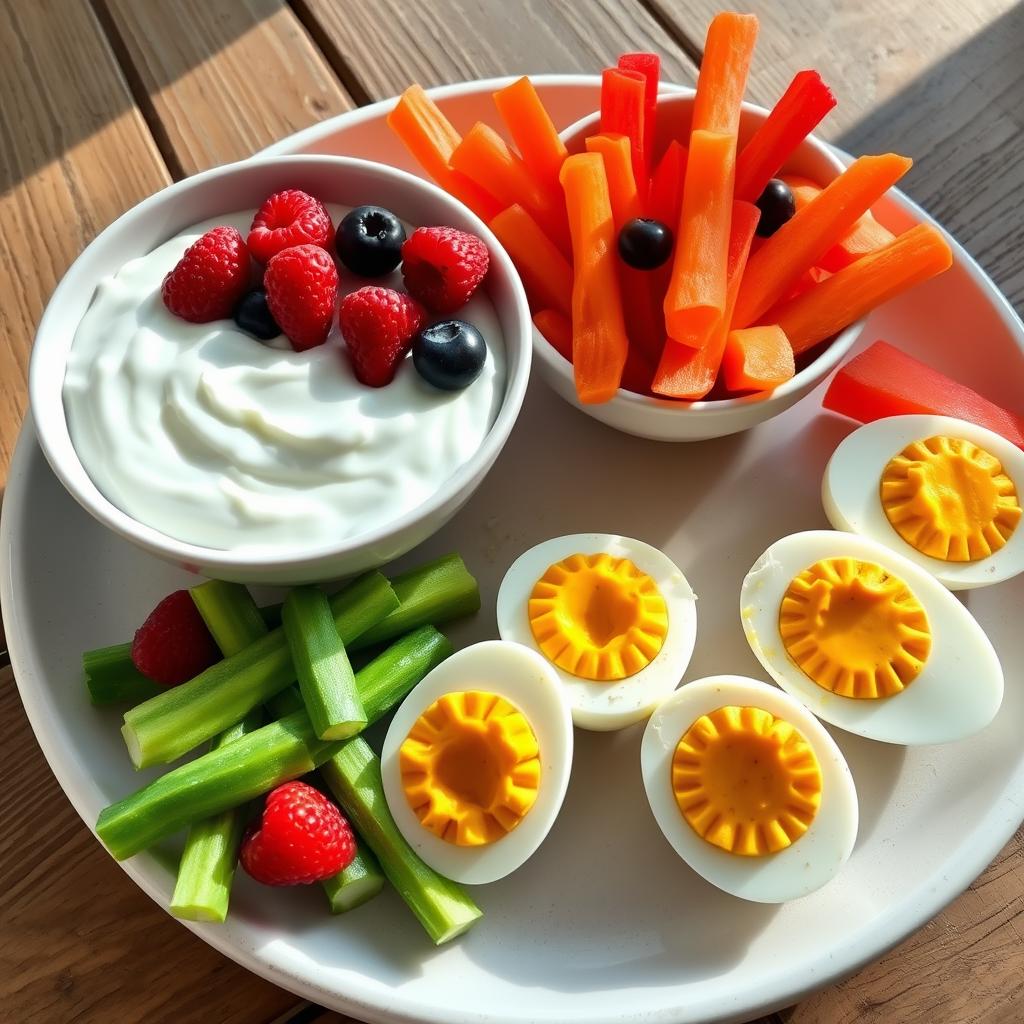
1. Greek Yogurt with Berries
Rich in protein and bursting with antioxidants, this combo is perfect for a quick, wholesome bite. Greek yogurt provides creamy satisfaction while keeping sugar levels low especially if you opt for unsweetened varieties. Add a handful of berries like blueberries or raspberries for a pop of flavor and a healthy dose of fiber.
2. Veggie Sticks with Hummus
Got a craving for something crunchy and creamy? Veggie sticks think carrots, celery, or cucumber paired with hummus are fiber-rich, nutrient-dense, and delicious. They satisfy cravings without packing on the calories. Plus, the protein in hummus helps keep you fuller for longer.
3. Hard-Boiled Eggs
Don’t underestimate the simplicity of hard-boiled eggs. These nutrient powerhouses are loaded with protein and healthy fats, making them one of the most filling healthy low calorie snacks around. Sprinkle a pinch of salt, pepper, or your favorite spices for a flavor boost.
| Snack | Main Benefits | Calories (Approx.) |
|---|---|---|
| Greek Yogurt with Berries | High in protein, antioxidants, and fiber | 150 |
| Veggie Sticks with Hummus | Fiber-rich, nutrient-dense with creamy texture | 120 |
| Hard-Boiled Eggs | Protein-packed, promotes satiety | 70 per egg |
Want to simplify your snacking strategy? Think of the perfect trifecta: low-calorie, nutrient-dense, and satisfying. Incorporating these snacks into your day can help manage hunger and support your overall dietary goals.
What’s next on your snack discovery list? Check out some of these ideas, and you might just find your new favorite go-to option.
When and How to Snack Smart
Snacking can be a powerful tool in your arsenal for staying energized, satisfied, and on track with your weight loss goals, but only if done thoughtfully. Do you ever find yourself rummaging through the pantry late afternoon or wondering why hunger always strikes mid-morning? Smart snacking isn’t just about what you eat it’s about when and how you approach it. Let’s break it down so you can snack like a pro.
Listen to Your Body
First things first: are you truly hungry? Often, thirst disguises itself as hunger. Before reaching for a snack, drink a glass of water and wait a few minutes to see if the hunger fades. Staying hydrated is not only great for your overall health but also helps reduce unnecessary calorie intake.
Timing Is Everything
Planning your snacks around mid-morning or mid-afternoon can help curb excessive hunger during major meals. These in-between meal times are when energy dips are common, and a nutrient-dense snack can bridge the gap without wreaking havoc on your calorie count. Look for options rich in fiber, healthy fats, or protein to help you stay full and focused for hours.
Portion Control: Your Best Friend
Let’s face it, grabbing your snack straight out of a big bag of popcorn or a family-sized jar of peanut butter is risky. To avoid overindulgence, use small bowls or containers to control portions. And yes, we know portioning snacks might sound tedious, but the added mindfulness can pay off big time.
Keep Temptation at Bay
Being prepared is half the battle. Instead of diving into whatever’s quick and easy (hello, vending machines and junk food!), set yourself up for success by prepping snacks in advance. Stock your kitchen or office with healthy, low-calorie options so you can grab them on the go without second-guessing.
- Pre-pack single servings of nuts, whole-grain crackers, or fresh fruit.
- Keep cut-up veggies in the fridge with hummus or Greek yogurt dip nearby.
- Measure out snacks like air-popped popcorn or trail mix into resealable bags for convenience.
- Opt for non-perishable items like protein bars or roasted chickpeas for busy days.
By combining smart timing, portion control, and a little prep work, you can turn snacking into an opportunity rather than a roadblock. Remember, snacking isn’t about indulgence it’s about fueling your body in a way that aligns with your health and weight loss goals.
Common Mistakes to Avoid When Choosing Healthy Low Calorie Snacks
Snacking can be a powerful tool in your weight loss journey, but only if done right. It’s surprisingly easy to derail your progress by making seemingly harmless snacking mistakes. Here are some common pitfalls and how you can sidestep them:
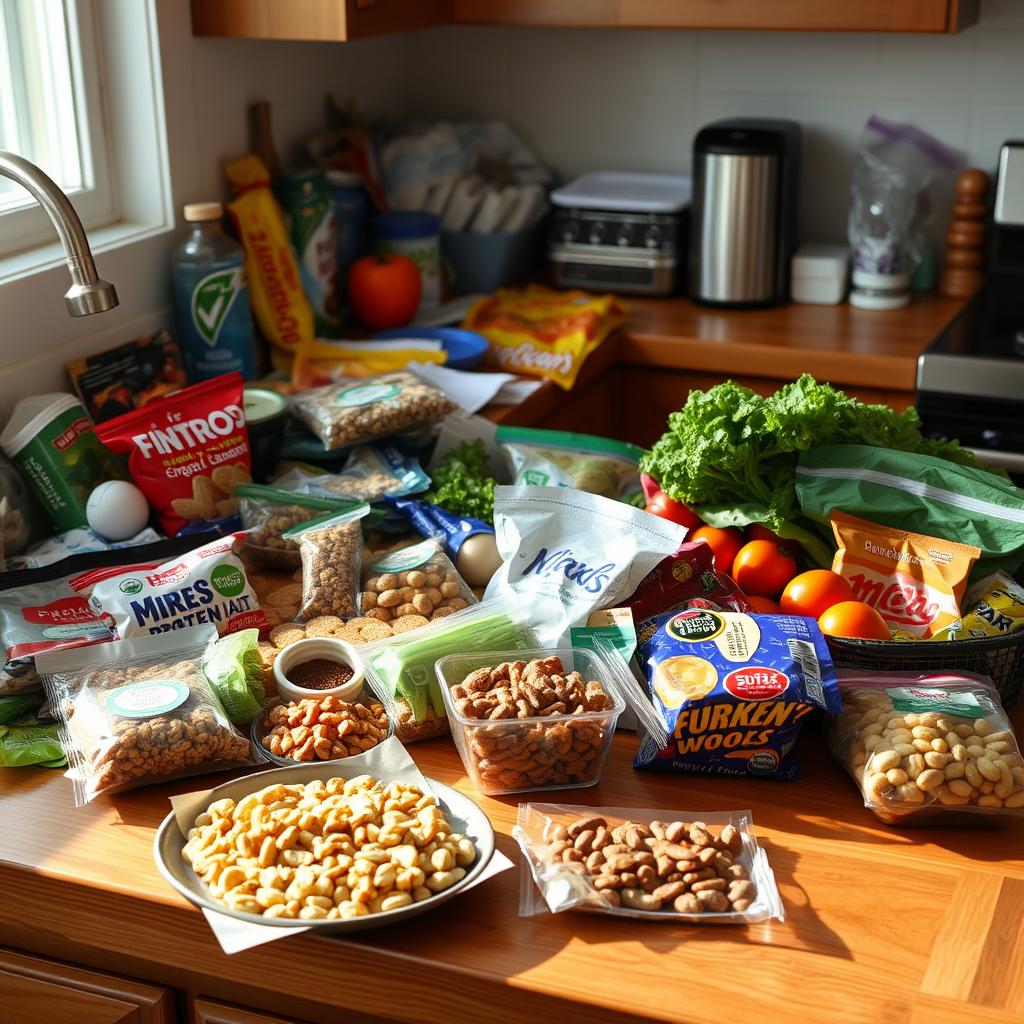
1. Falling for “Low-Calorie” but High-Sugar Options
Not all “low-calorie” snacks are created equal. Many processed options labeled as diet-friendly are often loaded with hidden sugars, which lead to energy spikes followed by crashes, leaving you hungrier than before. Instead, prioritize snacks with natural sweetness, like fruits, or opt for those with a balance of protein and fiber to keep you full longer.
2. Over-Snacking Out of Boredom
Are you really hungry, or just trying to pass the time? Mindless eating is a major culprit when it comes to unintentional calorie overconsumption. To combat this, start by checking in with yourself before you grab a snack. If hunger isn’t the issue, divert your attention with a walk, a quick task, or even a glass of water. Planning and portioning your snacks ahead of time can also help you avoid the temptation to overeat.
3. Ignoring Protein in Snacks
Protein often gets overshadowed by fiber in snack discussions, but it’s just as critical. Without protein, your snack may not provide the satiety you need to make it to your next meal, leading to unnecessary grazing. Simple solutions like Greek yogurt, hard-boiled eggs, or a handful of nuts can transform your snacks into more satisfying choices.
4. Relying on Pre-Packaged Snacks
Sure, those individually wrapped options are convenient, but they can also be deceivingly high in hidden calories, unhealthy fats, or added sodium. Always check the nutrition labels to ensure what you’re buying aligns with your goals. Better yet, try prepping your own snacks at home to maintain full control over ingredients and portion sizes.
Snack Smarter: Quick Tips
- Choose whole foods like vegetables, fruits, or nuts whenever possible.
- Keep portions small – aim for around 150-200 calories per snack.
- Incorporate protein and fiber into every snack session.
- Always read labels on pre-packaged goods for hidden sugar and calorie content.
Remember, snacking isn’t the enemy it’s the unhealthy habits surrounding it that sabotage your progress. By avoiding these pitfalls, you can seamlessly integrate healthy snacks for weight loss into your daily routine, keeping hunger at bay while staying on track with your goals.
Sample Snack Schedule for Weight Loss Success
Finding the right snacks at the right times can make a world of difference in your weight loss journey. But what if you had a simple schedule to keep your energy up and cravings at bay? Below is a sample snack plan with healthy low calorie snacks designed to balance nutrients while satisfying hunger throughout the day. Give it a try and notice how easy portion control and mindful snacking can be!
| Time | Snack Suggestion | Calories (Approx.) |
|---|---|---|
| 10:30 AM | Apple slices + 1 tbsp almond butter | 130 |
| 3:00 PM | Greek yogurt (plain, non-fat) + 5-6 strawberries | 100 |
| Post-Dinner | 1 cup air-popped popcorn | 30 |
Each of these snacks taps into key components for weight management:
- High fiber: Helps increase satiety, keeping you full longer.
- Low calories: Easily fits into a daily calorie budget.
- Balanced nutrients: Provides a mix of vitamins, protein, and healthy fats.
By planning ahead with snacks like these, you’ll not only curb hunger but also better align with your weight loss goals all without sacrificing taste or enjoyment. What’s your go-to healthy snack?

Hey, I’m Zara! I’m all about simple, healthy living and feeling your best every day. On this blog, I share easy wellness tips, real talk about health, and small changes that make a big difference. Let’s keep it real, stay inspired, and feel good, together.